NGC 4151
4-8 inch Telescope • Active Galaxies
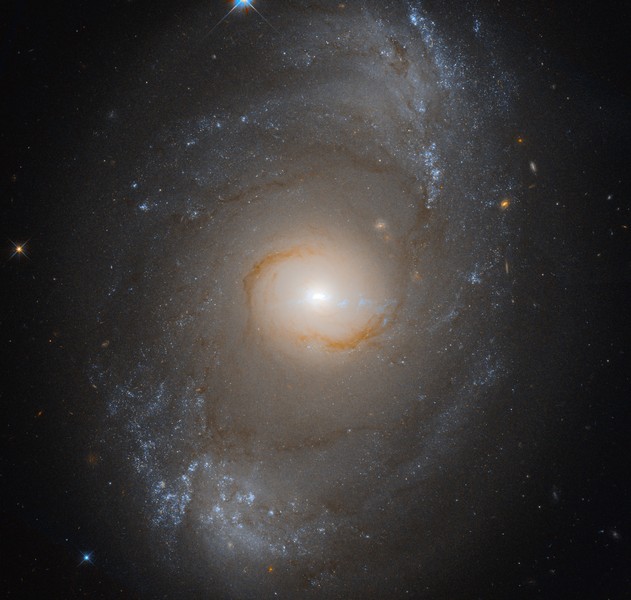
Image: Judy Schmidt
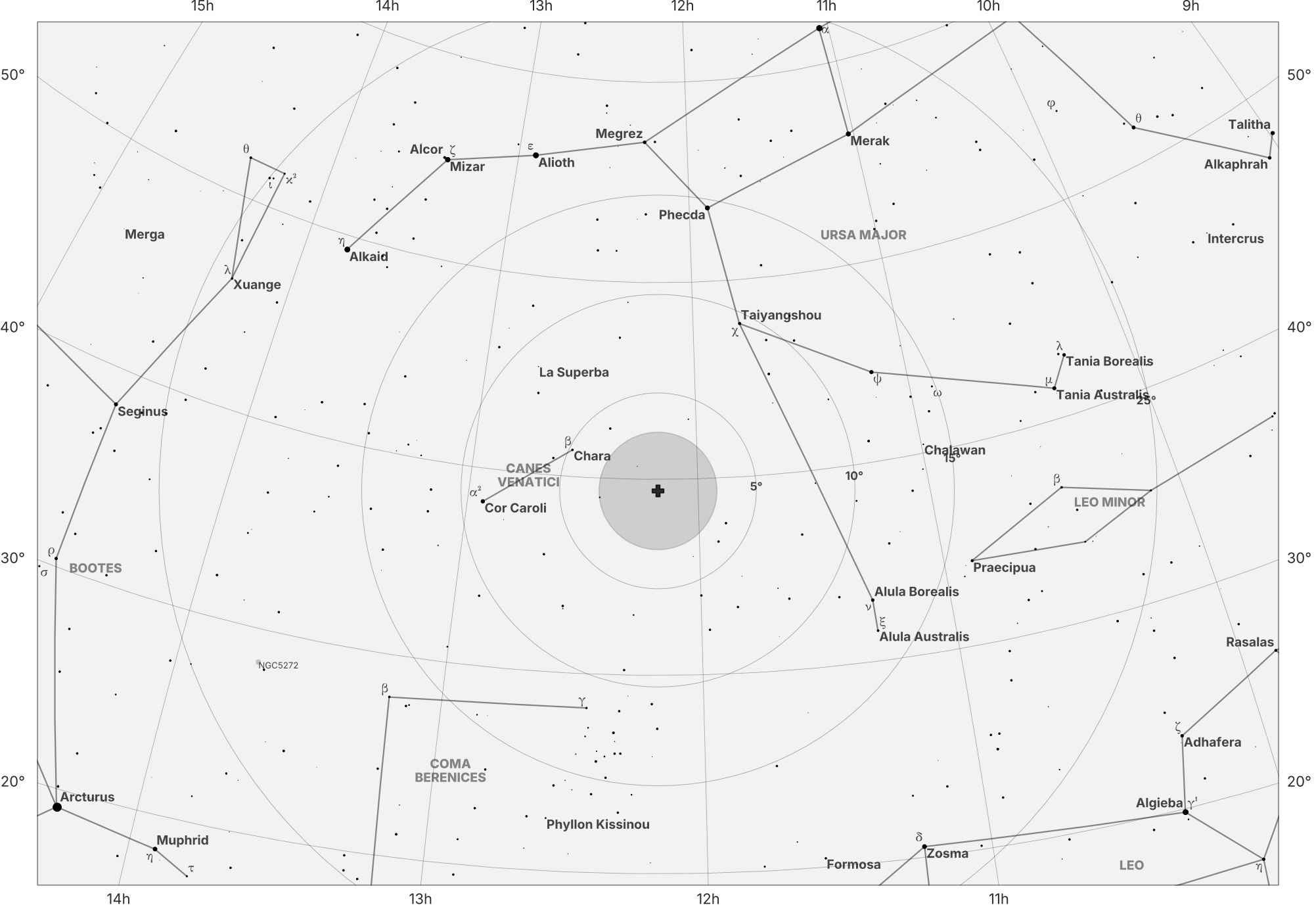
Finder map for NGC 4151
Often described as a ‘textbook’ Seyfert galaxy, NGC 4151 has played a central role in the study of active galactic nuclei and remains one of the most intensively observed AGN in the sky. High in the sky for best viewing from northern latitudes. Poorly placed and very low for most southern hemisphere observers. The bright, nearly stellar nucleus can dominate the view, making the surrounding low-surface-brightness disk difficult to detect in small apertures. Changes in the nucleus’s brightness may subtly alter the galaxy’s appearance over time.
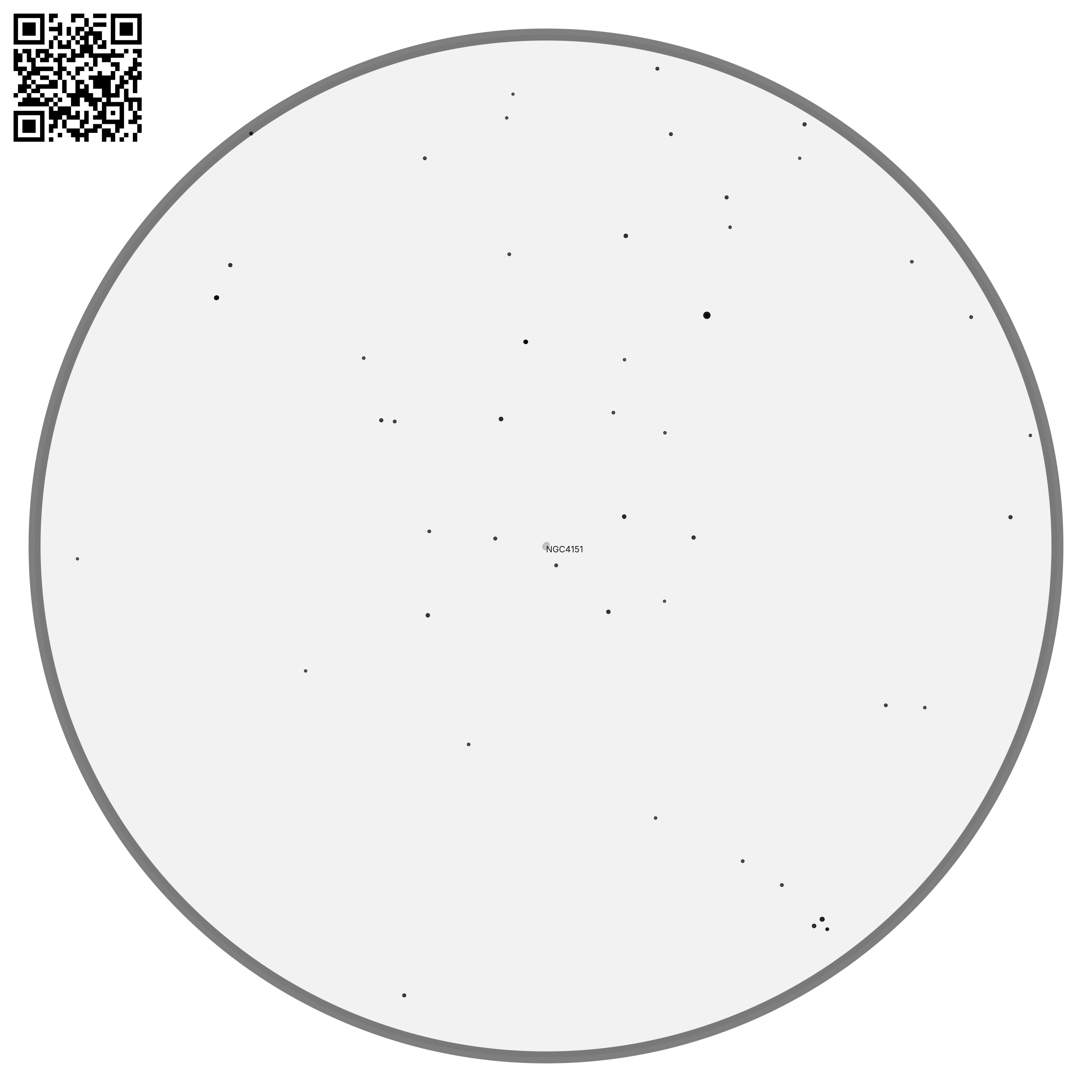
Finder scope & binocular view of NGC 4151
| Property | Value |
|---|---|
| Common names | Eye of Sauron Galaxy |
| Catalog names | NGC 4151, PGC 38739, UGC 7166 |
| Type | Seyfert Galaxy |
| Subtype | Seyfert 1 Galaxy |
| Coordinates | 12h 10m 32.58s, +39° 24’ 21.06” |
| Season | March - May |
| Best month | April |
| Beginner friendly | No |
| Visual reward | Low |
| Filters required | None |
| LP tolerance | Medium |
| Minimum equipment | Small telescope |
| Optimal equipment | Medium telescope |
| Magnitude | 10.8 |
| Size | 6.31 arcminutes x 4.47 arcminutes |
| Constellation | Canes Venatici |
Observation Notes
Naked Eye
Not visible.
Binoculars
Not visible.
Small Telescope
Extremely compact and easy to overlook. Appears as a very small, faint, non-stellar point or tiny fuzzy patch under dark skies. The bright nucleus can be mistaken for a field star unless its slight diffuseness is carefully noted.
Medium Telescope
Shows a strongly condensed central region with a hint of surrounding haze visible with averted vision under good conditions. The galaxy remains very small and low in contrast, with no obvious structure.
Large Telescope
The surrounding galaxy becomes more apparent as a faint, compact halo enclosing the bright nucleus. The object remains subtle and largely featureless, with no spiral structure detectable visually.