Algol
Naked Eye • Variable Stars
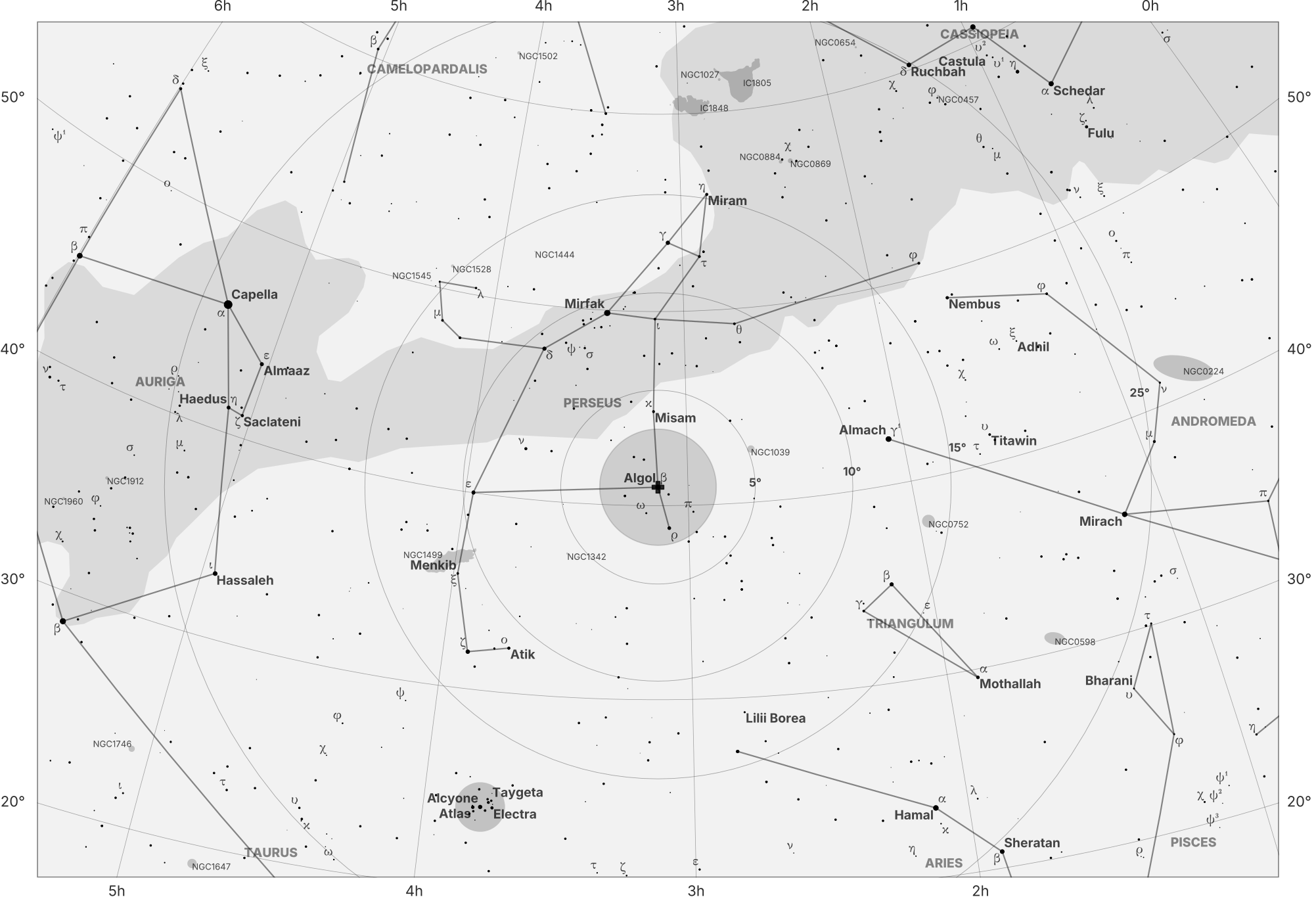
Finder map for Algol
In Greek mythology, Algol represents the blinking, evil eye of the Gorgon Medusa, whose severed head was carried by Perseus. The name ‘Algol’ derives from the Arabic al-ghūl, meaning ‘the ghoul’ or ‘demon.’ Best observed when high in the sky to ensure accurate magnitude comparisons against reference stars. The main challenge is not observing the star itself, but timing the observation to coincide with the primary eclipse, which lasts about 10 hours and occurs every 2.87 days.
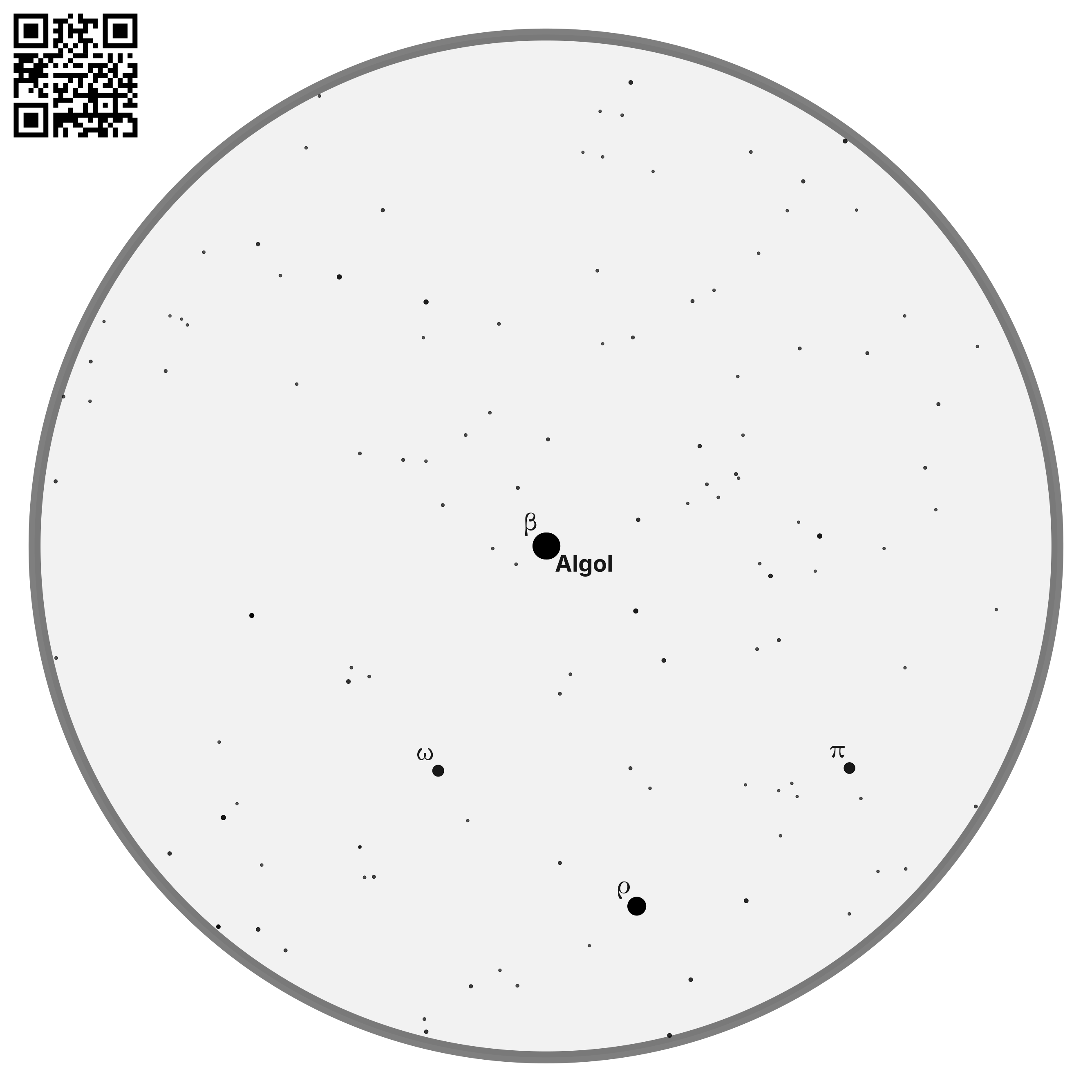
Finder scope & binocular view of Algol
| Property | Value |
|---|---|
| Common names | Demon Star, Gorgona, Beta Persei, β Per |
| Catalog names | - |
| Type | Double Star |
| Subtype | Spectroscopic Binary |
| Coordinates | 3h 08m 10.13s, +40° 57’ 20.33” |
| Season | October - December |
| Best month | Mid-November |
| Beginner friendly | Yes |
| Visual reward | Moderate |
| Filters required | None |
| LP tolerance | High |
| Minimum equipment | Naked eye |
| Optimal equipment | Naked eye |
| Magnitude | 2.1 |
| Size | - |
| Constellation | Perseus |
Observation Notes
Naked Eye
Easily visible even from light-polluted locations. During its well-known eclipses, Algol fades noticeably over the course of a few hours, making its variability one of the most dramatic and easily followed among naked-eye stars when compared with nearby reference stars.
Binoculars
Very useful for making more reliable magnitude estimates by extending the range of comparison stars. The system remains unresolved, but the view is steady and well suited to tracking the brightness change through minimum.
Small Telescope
Shows Algol as a bright, blue-white stellar point with no visible detail. The system is far too close to be resolved visually, and the telescope’s main value is in providing a stable view for careful brightness estimates.
Medium Telescope
Offers little visual advantage over a small telescope for direct observation of the star itself. Can improve confidence in magnitude estimates by allowing consistent comparison with fainter nearby stars using standard charts.
Large Telescope
Does not reveal any additional visual detail of the system, which remains unresolved. Algol’s importance for visual observers lies entirely in its easily observed eclipsing variability rather than in any telescopic structure.