M66
4-8 inch Telescope • Galaxies Structural
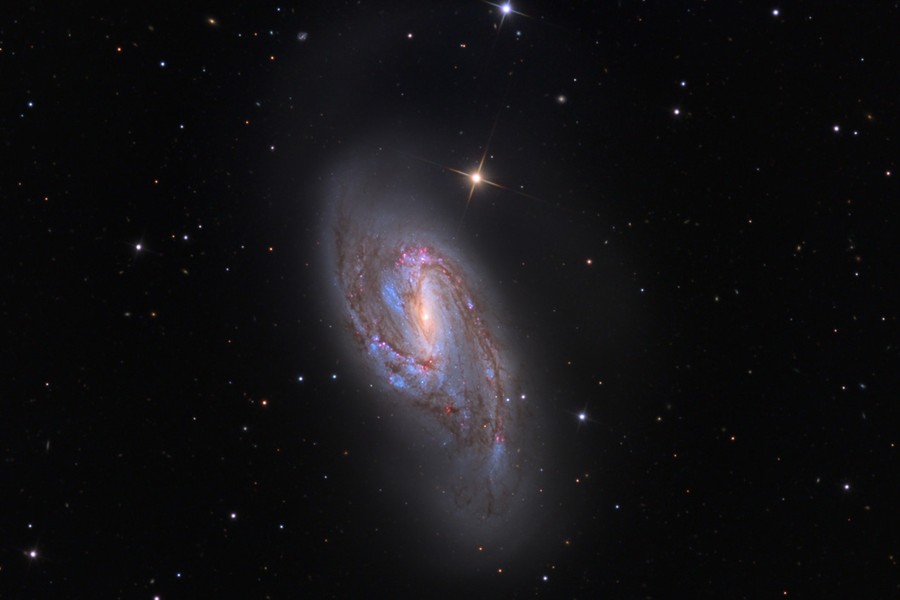
Image: M66 Galaxy from the Mount Lemmon SkyCenter Schulman Telescope courtesy Adam Block
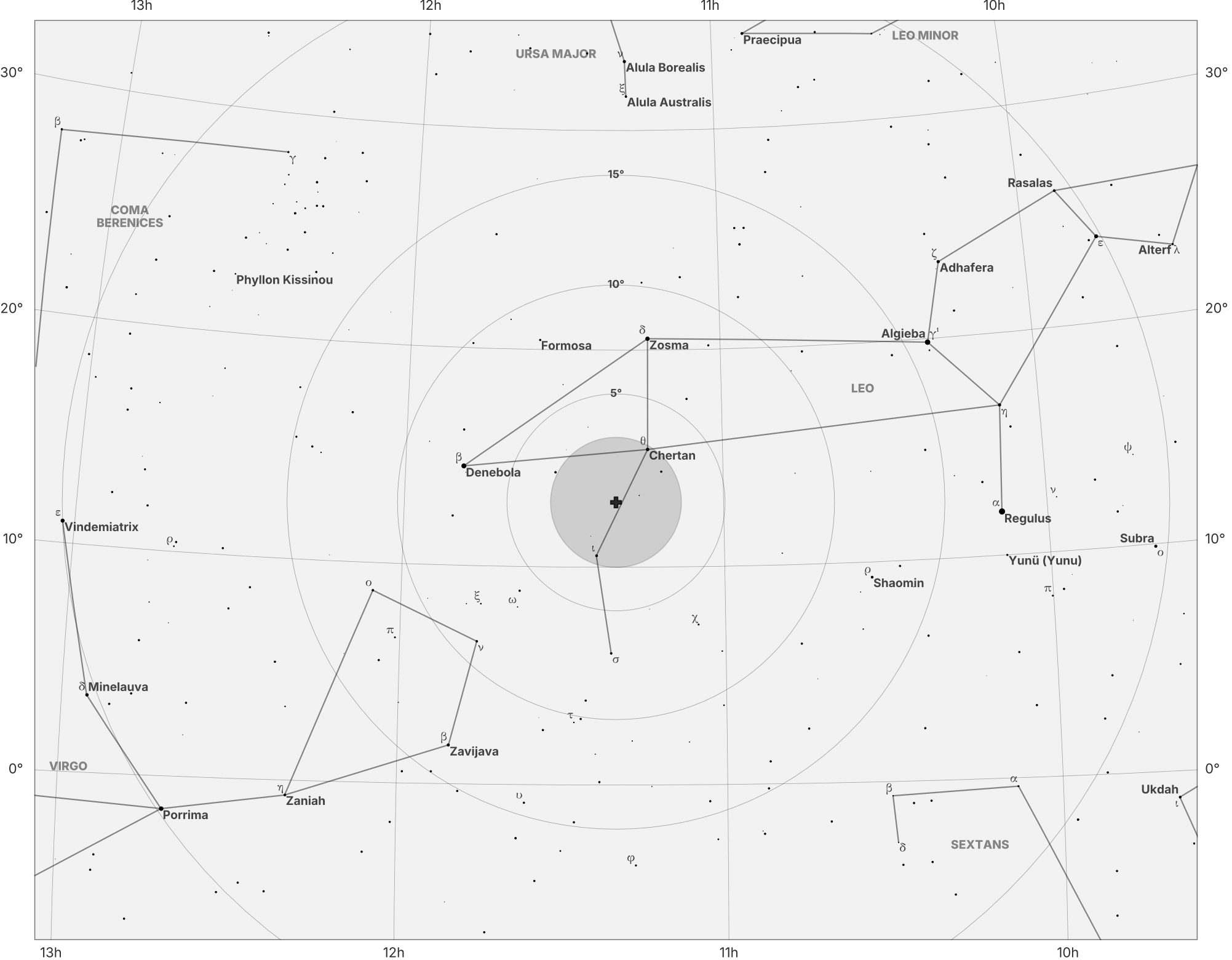
Finder map for M66
A premier object in the Messier Catalog and a highlight of the spring sky for amateur astronomers worldwide. It is a key target in ‘Messier Marathons’. Best observed when Leo is high in the sky, ideally above about 30° altitude, to reduce atmospheric extinction and improve contrast. n 4–8 inch telescopes, M66 appears as a bright, elongated galaxy with an uneven brightness distribution. Clear resolution of individual spiral arms and dust lanes lies beyond this aperture class and is primarily revealed in larger instruments or images.
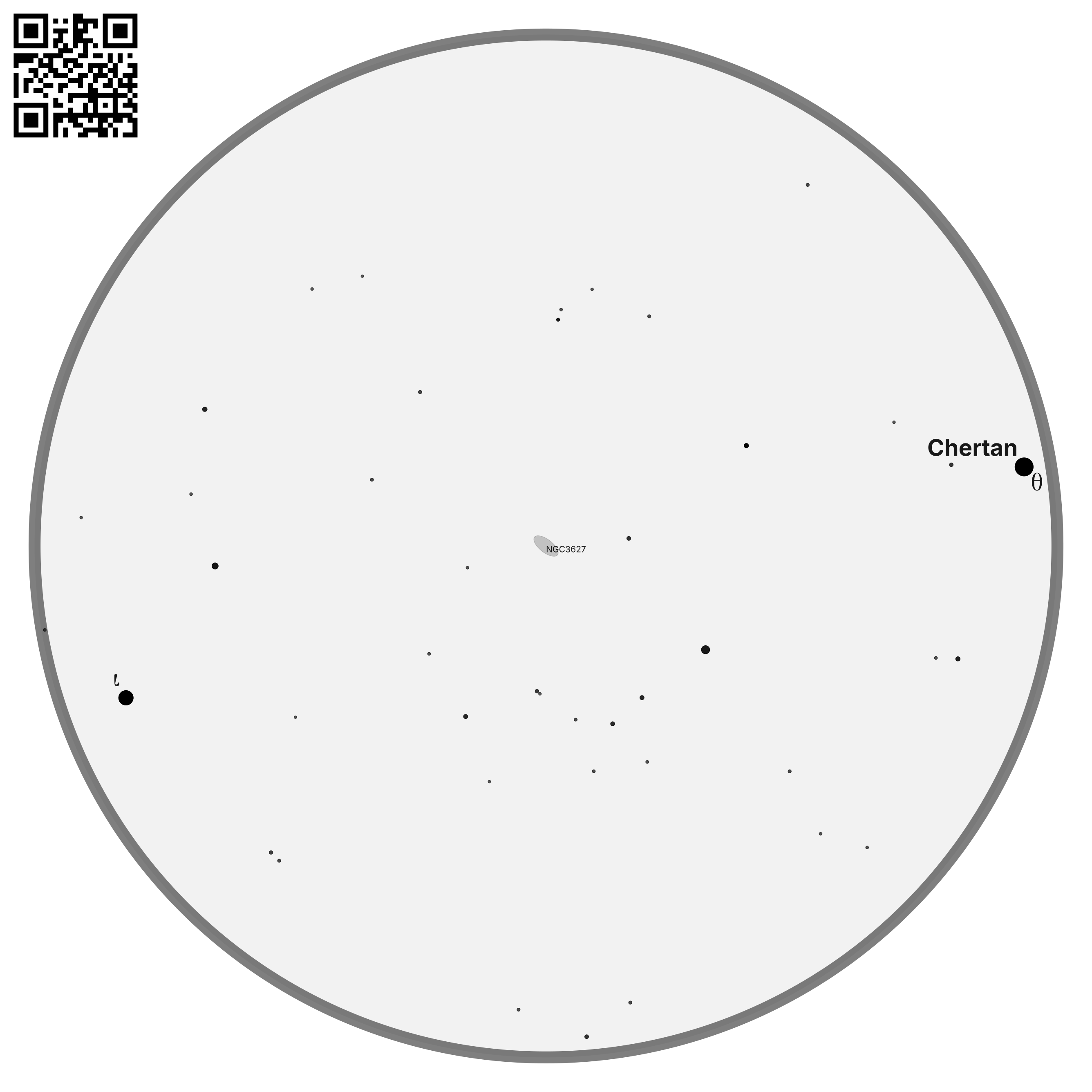
Finder scope & binocular view of M66
| Property | Value |
|---|---|
| Common names | Messier 66 |
| Catalog names | M 66, NGC 3627, PGC 34695, UGC 6346, Arp 16, … |
| Type | Galaxy |
| Subtype | Active Galactic Nucleus |
| Coordinates | 11h 20m 15.02s, +12° 59’ 29.40” |
| Season | February - April |
| Best month | Mid-March |
| Beginner friendly | Marginal |
| Visual reward | Moderate |
| Filters required | None |
| LP tolerance | Medium |
| Minimum equipment | Small telescope |
| Optimal equipment | Medium telescope |
| Magnitude | 8.9 |
| Size | 9.12 arcminutes x 4.17 arcminutes |
| Constellation | Leo |
Observation Notes
Naked Eye
Not visible.
Binoculars
Under very dark, transparent skies, large binoculars (around 15×70 or larger) may barely detect the galaxy as a tiny, faint, diffuse smudge; detection is difficult and not routine.
Small Telescope
In 4–6 inch apertures, appears as a noticeably elongated oval glow with a brighter, non-stellar central region. It is readily seen in the same low-power field as M65.
Medium Telescope
With 8–10 inches under dark skies, the disk brightens and subtle mottling or uneven light distribution may be suspected with averted vision, hinting at the spiral nature without clearly resolved arms.
Large Telescope
In apertures of roughly 12 inches and larger, the non-uniform brightness of the disk becomes evident, with a subtle central bar and low-contrast dust features occasionally visible under excellent conditions; detail remains delicate and contrast-limited rather than sharply defined.