R Andromedae
4-8 inch Telescope • Carbon Stars
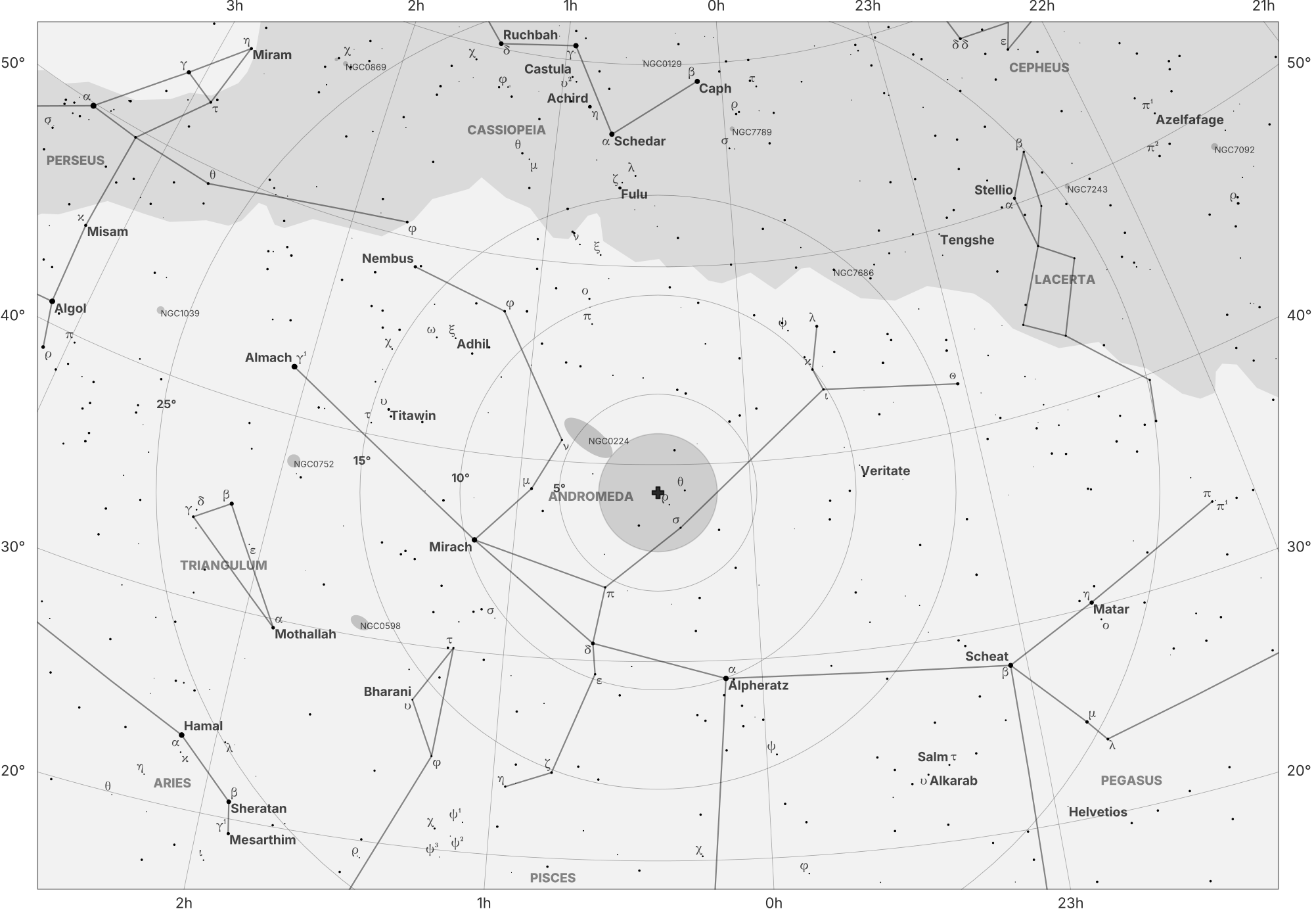
Finder map for R Andromedae
Holds a high degree of significance within the amateur astronomy and variable star observer communities as a classic, rewarding, and scientifically valuable long-term project. Best observed from the Northern Hemisphere where it reaches high altitude. Difficult to observe from the Southern Hemisphere due to its northern declination. Its large magnitude range makes it challenging to follow through a complete cycle, particularly near minimum light when it becomes faint for smaller telescopes. The star’s deep red color can also complicate visual magnitude estimates due to the Purkinje effect.
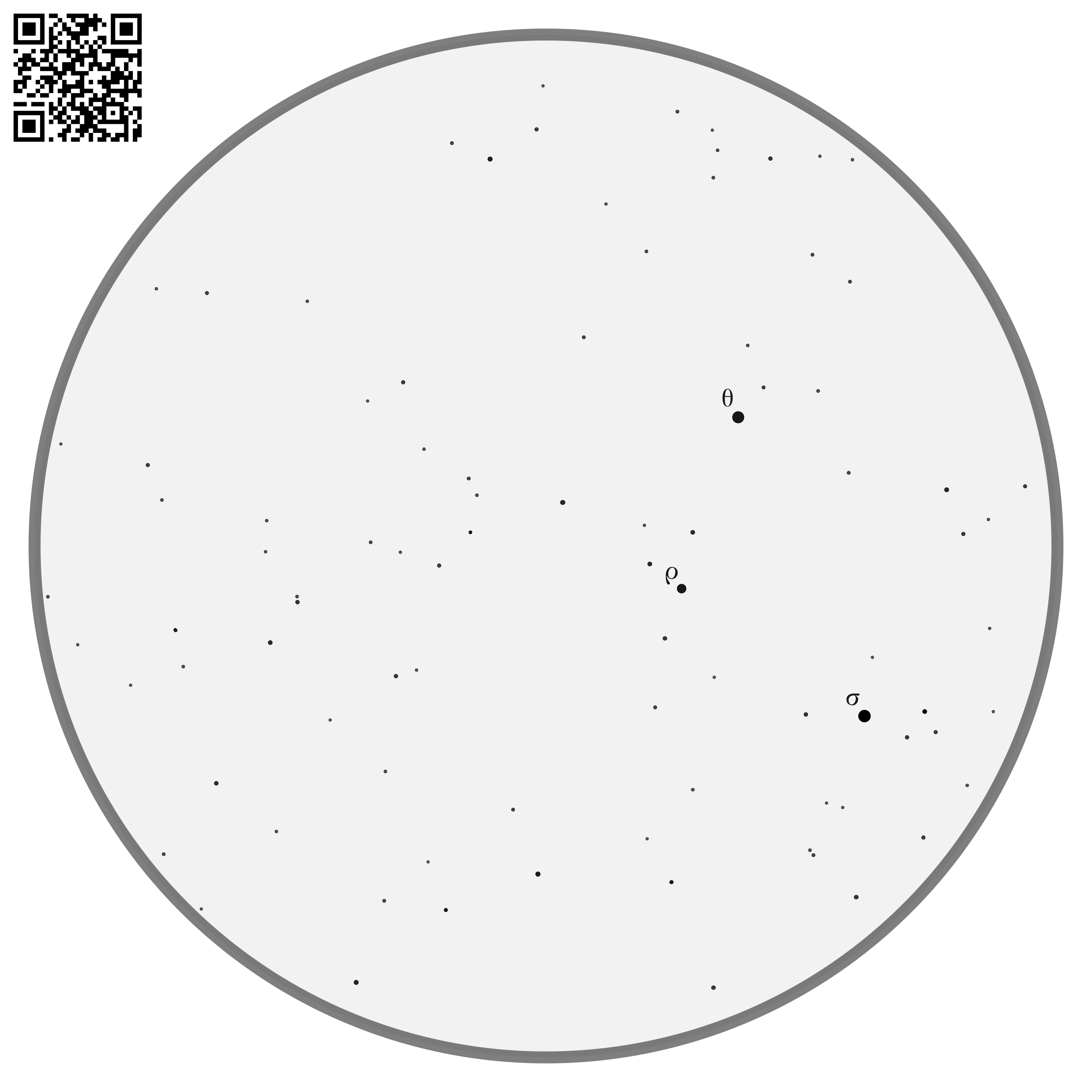
Finder scope & binocular view of R Andromedae
| Property | Value |
|---|---|
| Common names | R And |
| Catalog names | - |
| Type | Evolved Star |
| Subtype | S Star |
| Coordinates | 0h 24m 01.95s, +38° 34’ 37.37” |
| Season | September - November |
| Best month | October |
| Beginner friendly | Marginal |
| Visual reward | Moderate |
| Filters required | None |
| LP tolerance | High |
| Minimum equipment | Binoculars |
| Optimal equipment | Medium telescope |
| Magnitude | 7.4 |
| Size | - |
| Constellation | Andromeda |
Observation Notes
Naked Eye
Only occasionally visible to the naked eye under very dark, transparent skies when near a favorable maximum, typically around magnitude 6. Such naked-eye appearances are infrequent and should not be expected in every cycle.
Binoculars
Readily visible in binoculars near maximum brightness, appearing as a noticeably orange-red to red star. Binoculars allow its rise and early fading phases to be followed with ease.
Small Telescope
A 3–4 inch telescope can follow R Andromedae through much of its variability cycle, from maximum down to roughly magnitude 10–11, depending on the depth of the minimum in a given cycle. The star’s warm red coloration is clearly apparent.
Medium Telescope
An 8–10 inch telescope extends coverage toward deeper minima, where the star becomes faint and requires careful chart use for positive identification. The color remains noticeable but subdued by faintness.
Large Telescope
A 12-inch or larger telescope allows more reliable observation near minimum light, though the star remains a challenging, low-contrast point source. Visual tracking near minimum is sensitive to sky quality and varies from cycle to cycle.