T Lyrae
Binoculars • Carbon Stars
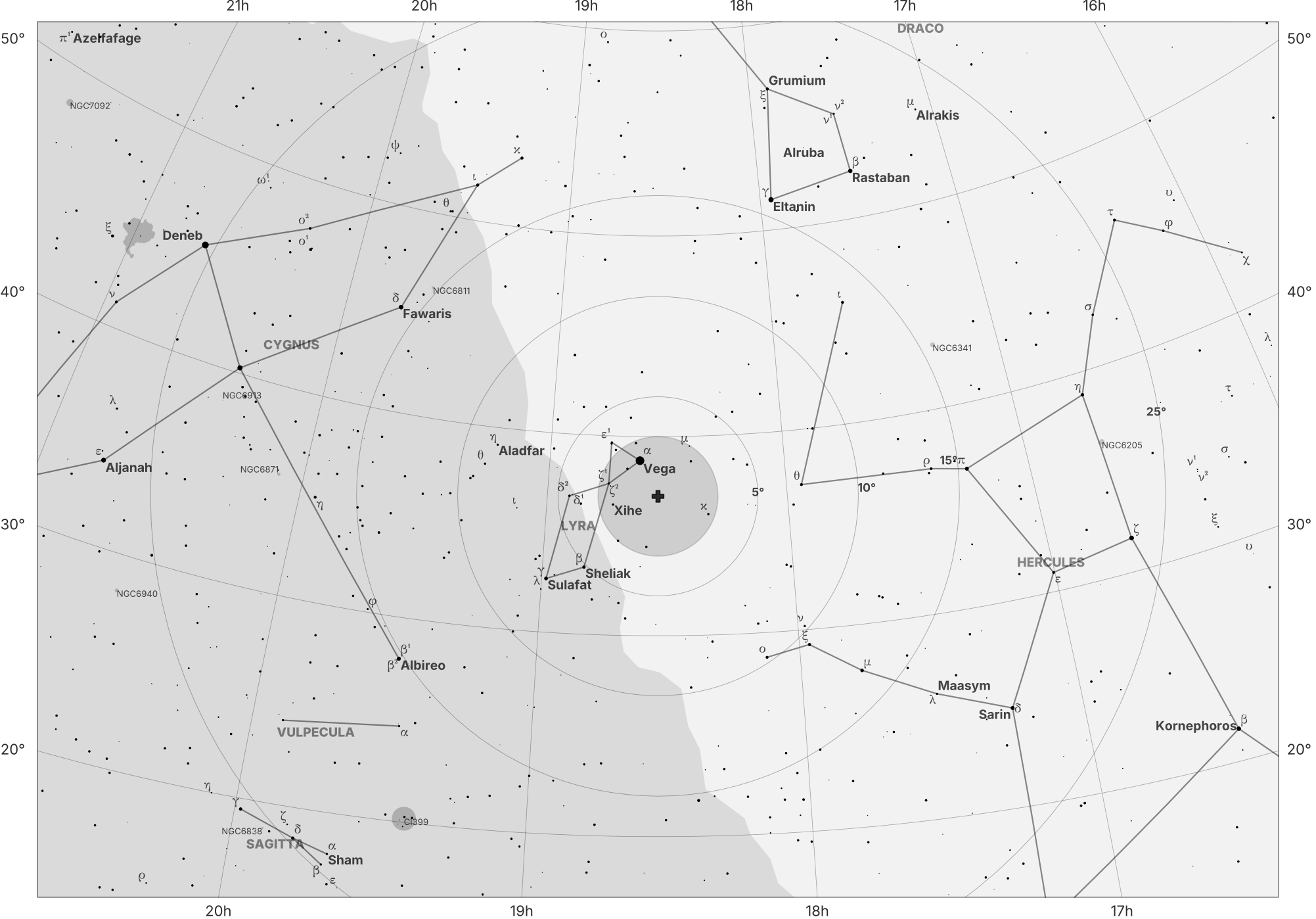
Finder map for T Lyrae
None in mainstream culture. Its significance is primarily within the amateur and professional astronomical communities as a prime, easily observable example of a carbon star. Best observed when high in the sky to appreciate its color and make accurate magnitude estimates. Accurately estimating its brightness due to its intense red color, which can trick the eye (Purkinje effect), especially when comparing to bluer-white comparison stars.
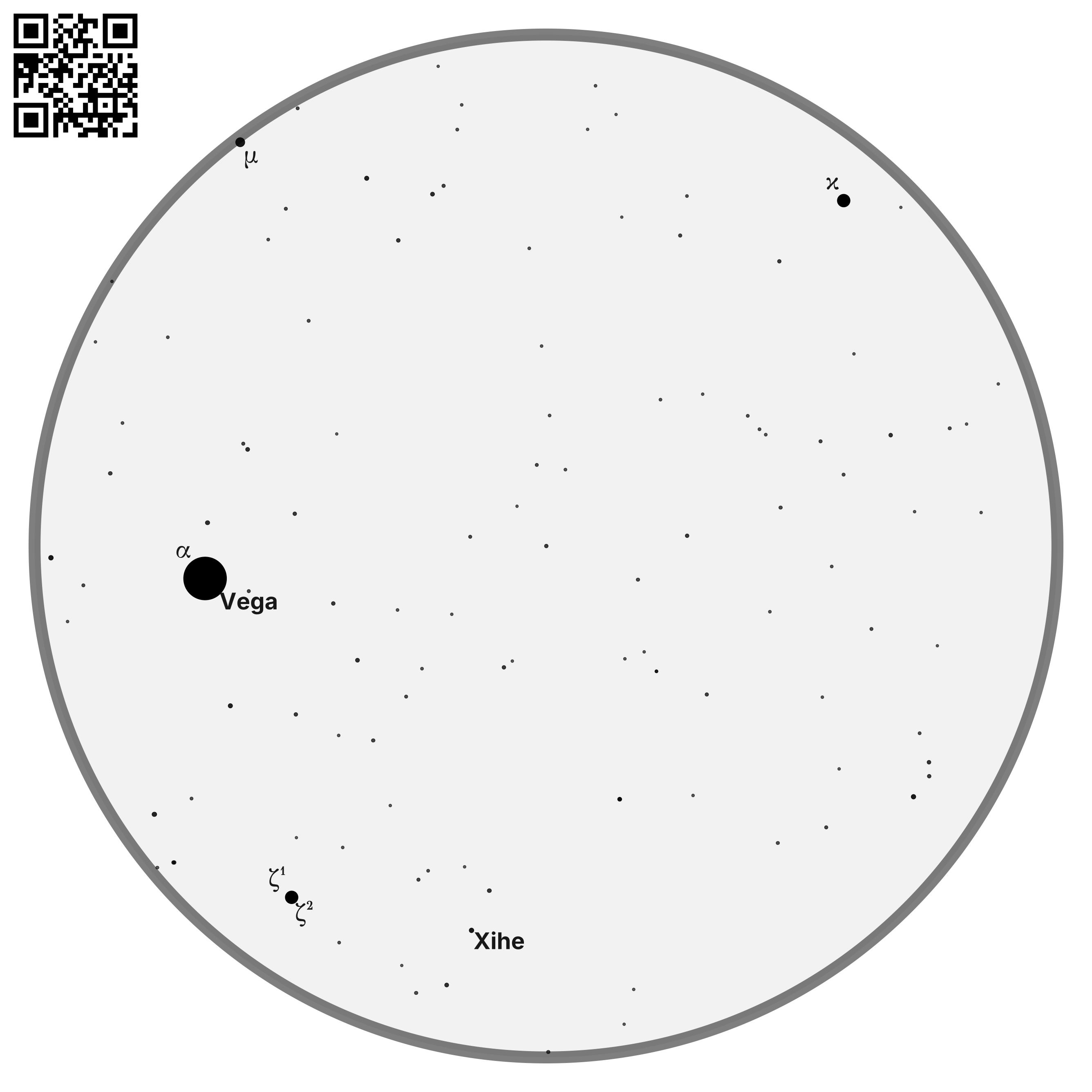
Finder scope & binocular view of T Lyrae
| Property | Value |
|---|---|
| Common names | T Lyr |
| Catalog names | - |
| Type | Evolved Star |
| Subtype | Carbon Star |
| Coordinates | 18h 32m 20.08s, +36° 59’ 55.64” |
| Season | June - August |
| Best month | July |
| Beginner friendly | No |
| Visual reward | Moderate |
| Filters required | None |
| LP tolerance | Medium |
| Minimum equipment | Binoculars |
| Optimal equipment | Small telescope |
| Magnitude | 7.8 |
| Size | - |
| Constellation | Lyra |
Observation Notes
Naked Eye
Not visible to the naked eye.
Binoculars
Visible in 10×50 binoculars near maximum brightness as a small but distinctly red point of light. Near minimum, it becomes challenging and may require darker skies or larger binoculars.
Small Telescope
Easily visible throughout its brightness cycle. Its deep ruby-red color is its most prominent feature and stands out clearly against surrounding field stars.
Medium Telescope
Provides a rich, gem-like appearance and is well suited for making reliable magnitude estimates using AAVSO comparison star charts.
Large Telescope
Reveals no additional detail beyond smaller instruments. The color can appear intense at moderate magnification, but increased aperture does not significantly enhance the visual experience.