WZ Cassiopeiae
Binoculars • Carbon Stars
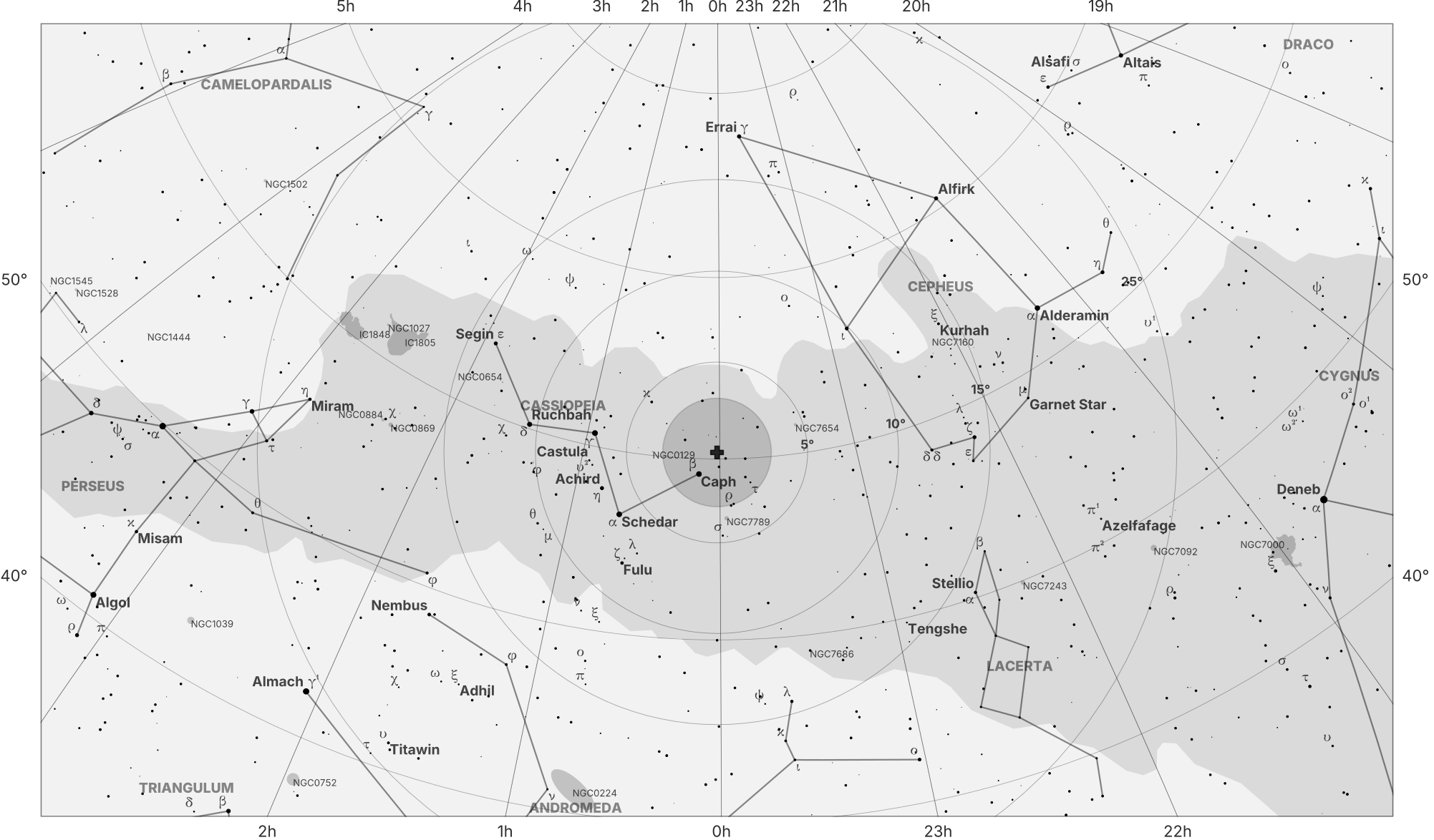
Finder map for WZ Cassiopeiae
Highly regarded in the amateur astronomy community as a classic example of a carbon star and one of the reddest, most visually striking stars in the sky. It is often a ‘showpiece’ object for star parties. Best observed from mid-to-high northern latitudes where it is circumpolar or reaches high altitude. Its deep red color can appear subtle until fully dark-adapted. As a variable star, its brightness can differ significantly between observations.
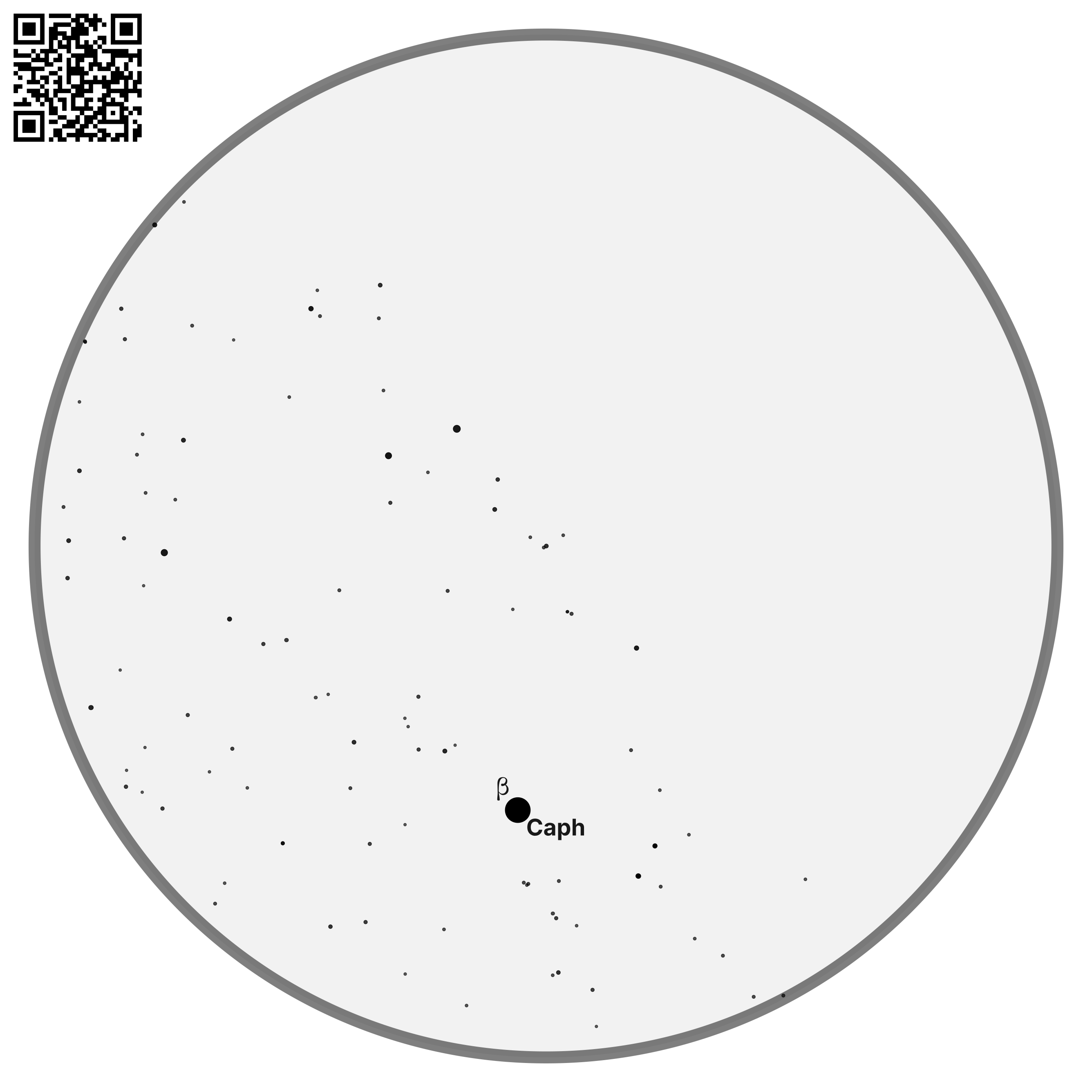
Finder scope & binocular view of WZ Cassiopeiae
| Property | Value |
|---|---|
| Common names | WZ Cas, The Crimson Star |
| Catalog names | - |
| Type | Evolved Star |
| Subtype | Carbon Star |
| Coordinates | 0h 01m 15.86s, +60° 21’ 19.03” |
| Season | August - October |
| Best month | Mid-September |
| Beginner friendly | Yes |
| Visual reward | High |
| Filters required | None |
| LP tolerance | High |
| Minimum equipment | Binoculars |
| Optimal equipment | Medium telescope |
| Magnitude | 7.1 |
| Size | - |
| Constellation | Cassiopeia |
Observation Notes
Naked Eye
Not visible to the naked eye. Even at maximum brightness it typically remains below unaided-eye detection, making optical aid necessary.
Binoculars
Easily visible in standard astronomical binoculars such as 7×50 or 10×50. Its deep red coloration is immediately apparent and helps it stand out from surrounding field stars.
Small Telescope
Provides a striking view, with the ruby-red color appearing strongly saturated. The star remains a point source, with color being the primary visual attraction.
Medium Telescope
The color appears exceptionally rich and is well suited for visual magnitude estimates when used with established comparison charts.
Large Telescope
Reveals no additional structural detail beyond smaller instruments. Increased aperture does not significantly enhance the visual experience, and moderate magnification often provides the most pleasing color impression