UU Aurigae
4-8 inch Telescope • Carbon Stars
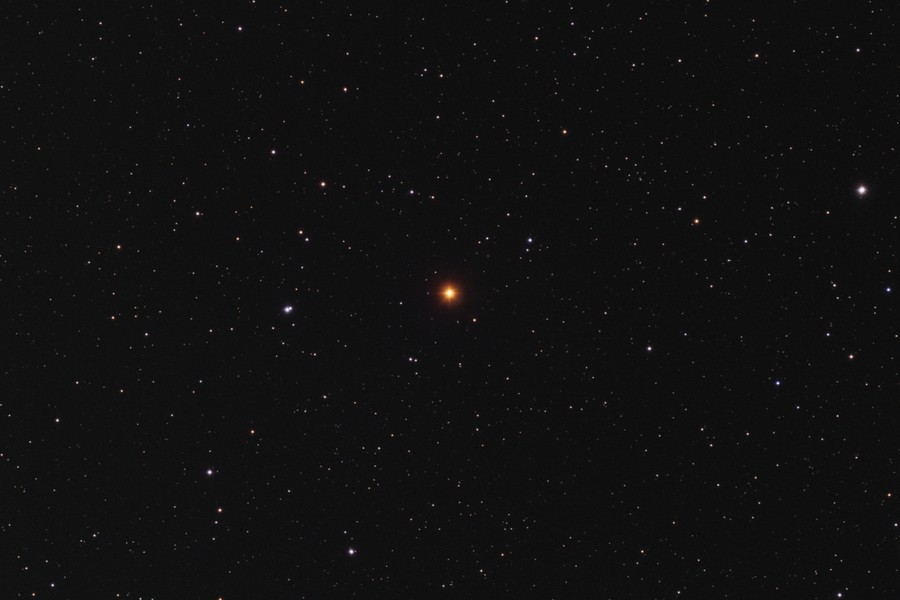
Image: David Ritter
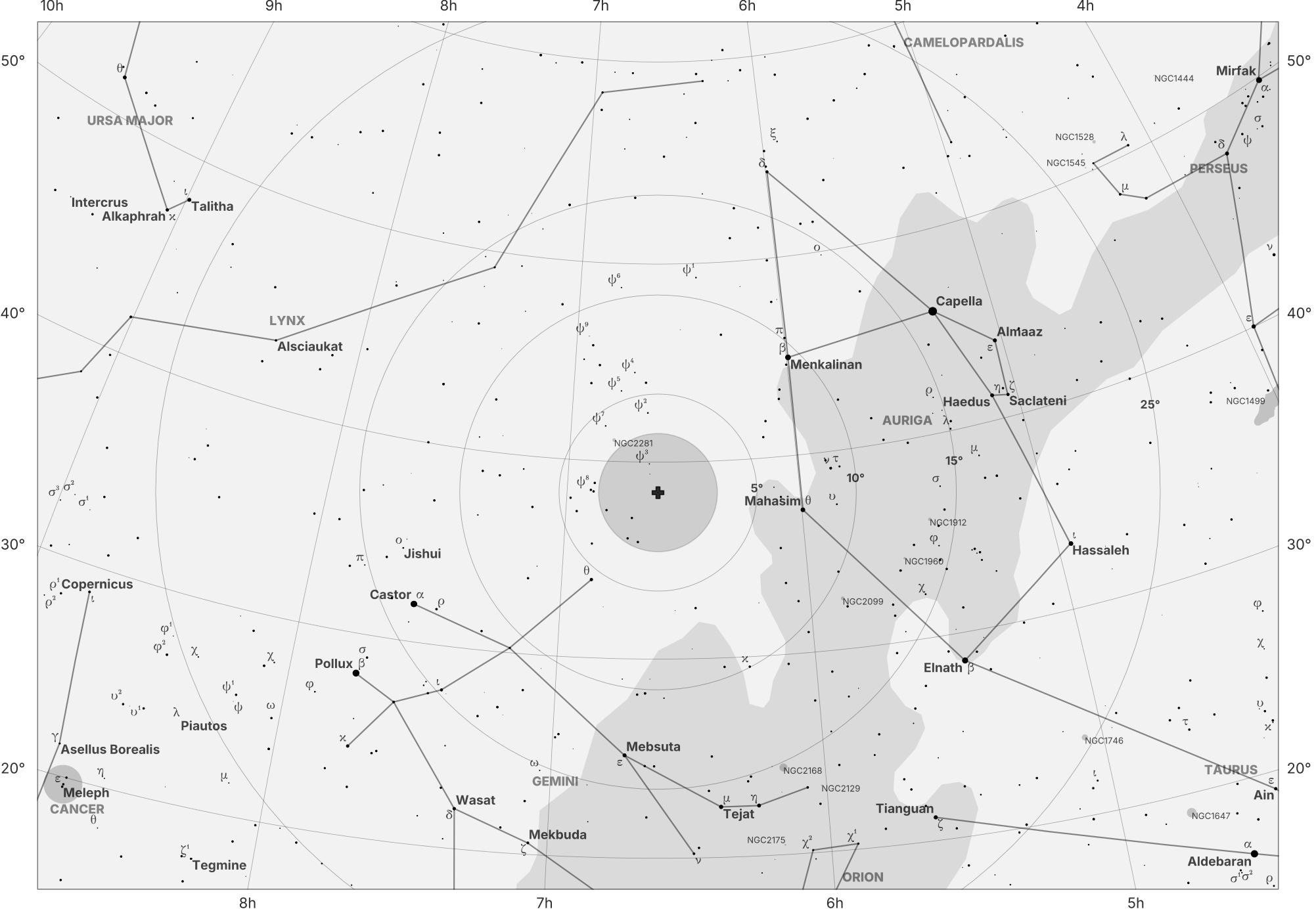
Finder map for UU Aurigae
Best observed when high in the sky to reduce atmospheric extinction and dispersion, which helps preserve the star’s apparent color. Following its long-period brightness variations requires patience and consistent observations over many months.
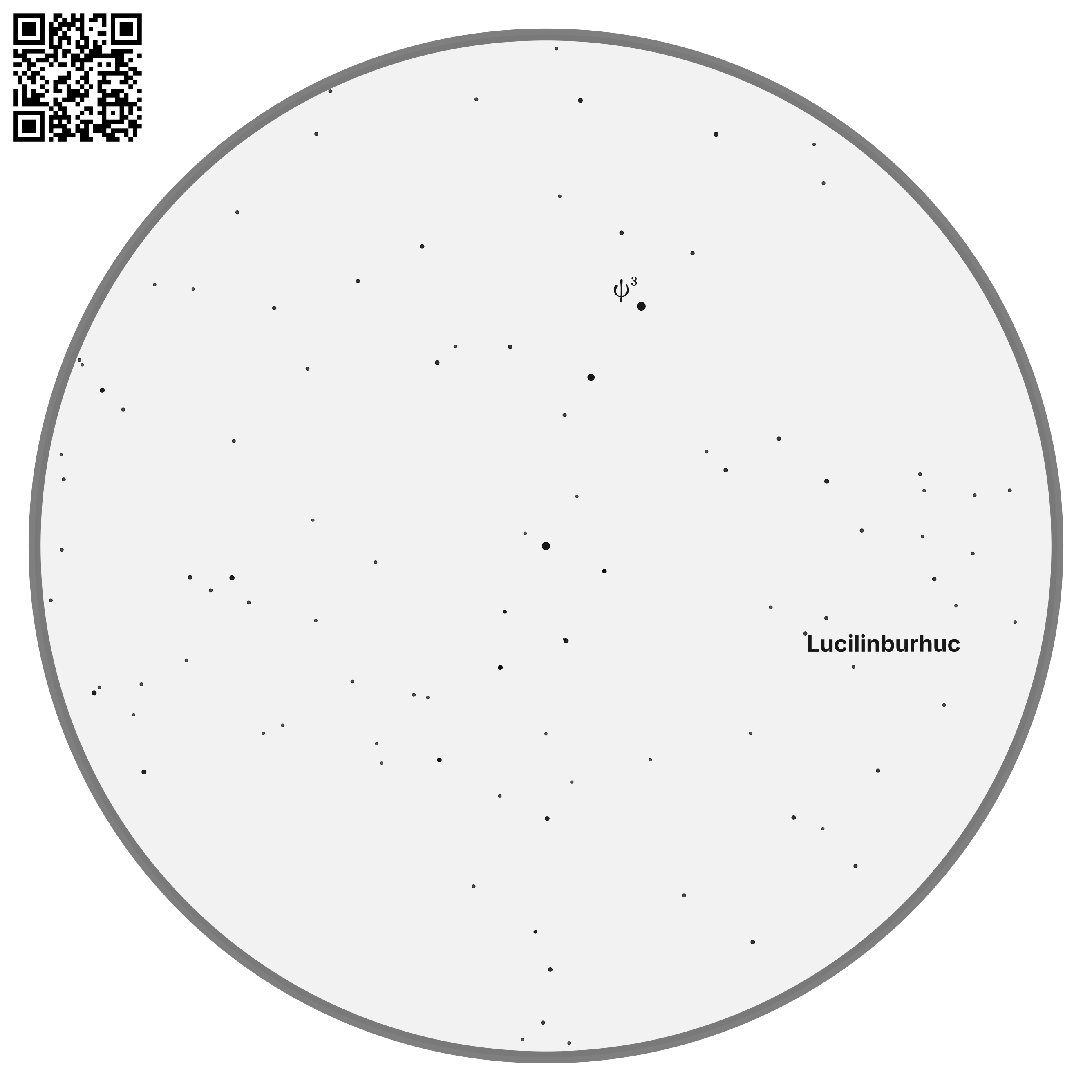
Finder scope & binocular view of UU Aurigae
| Property | Value |
|---|---|
| Common names | UU Aur |
| Catalog names | - |
| Type | Evolved Star |
| Subtype | Carbon Star |
| Coordinates | 6h 36m 32.84s, +38° 26’ 43.82” |
| Season | December - February |
| Best month | January |
| Beginner friendly | Marginal |
| Visual reward | High |
| Filters required | None |
| LP tolerance | High |
| Minimum equipment | Binoculars |
| Optimal equipment | Medium telescope |
| Magnitude | 5.2 |
| Size | - |
| Constellation | Auriga |
Observation Notes
Naked Eye
Only occasionally visible from very dark, transparent sites when near a favorable maximum (around magnitude 6). Naked-eye detection should be considered exceptional rather than routine.
Binoculars
Detectable in binoculars near maximum light, appearing as a faint orange-red to red star. As it fades, binocular visibility quickly diminishes and becomes phase-dependent.
Small Telescope
Shows a pronounced red coloration, best appreciated at low to moderate magnification with nearby whiter stars in the same field for contrast. The star is easily seen through much of its brighter phase but fades beyond reach near minimum.
Medium Telescope
Extends visibility into fainter phases and provides a stable, clean stellar image for following its variability. The perceived intensity of the red color varies with brightness and observing conditions rather than aperture alone.
Large Telescope
Offers little additional visual information beyond easier detection near minimum light. The star remains an unresolved point source, with its visual interest centered on color and long-term variability.