NGC 7662
4-8 inch Telescope • Planetary Nebulae Detailed
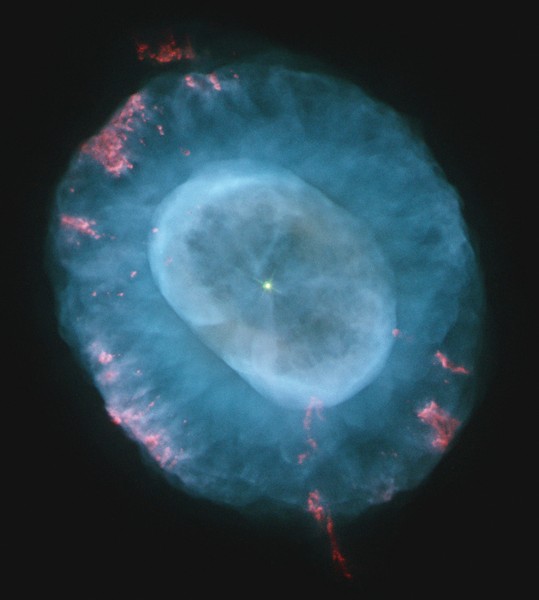
Image: Judy Schmidt
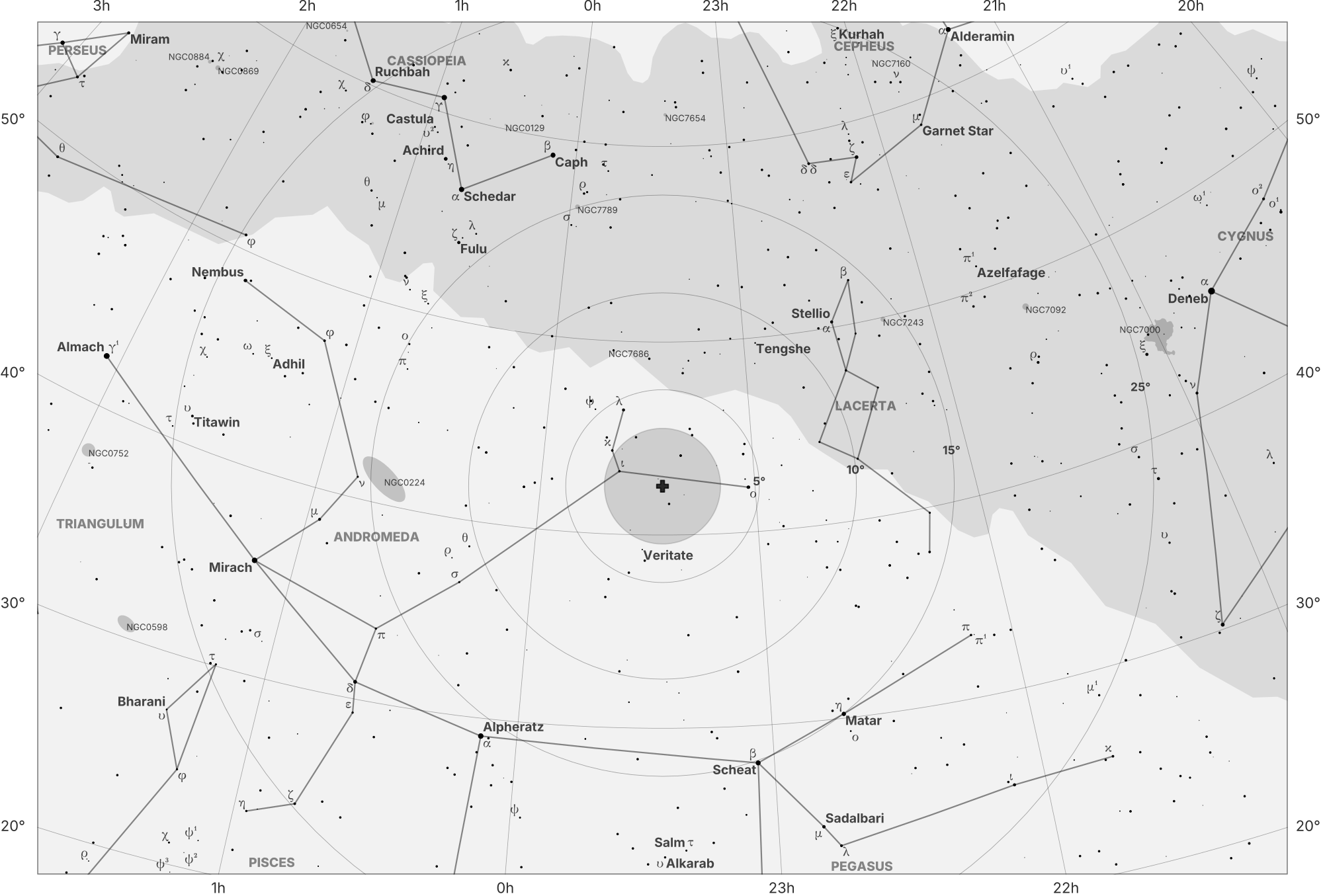
Finder map for NGC 7662
A classic ‘showpiece’ planetary nebula for amateur astronomers. Its popular name, ‘Blue Snowball,’ perfectly describes its appearance in a medium-sized telescope, making it one of the most well-known objects of its type. Best viewed when high in the sky to minimize atmospheric distortion. Circumpolar for many northern latitudes. Distinguishing the nebula from nearby stars and recognizing its small, high–surface-brightness disk. Subtle features such as the faint outer halo and the central star require larger telescopes, high magnification, and excellent observing conditions, and lie beyond typical binocular views.
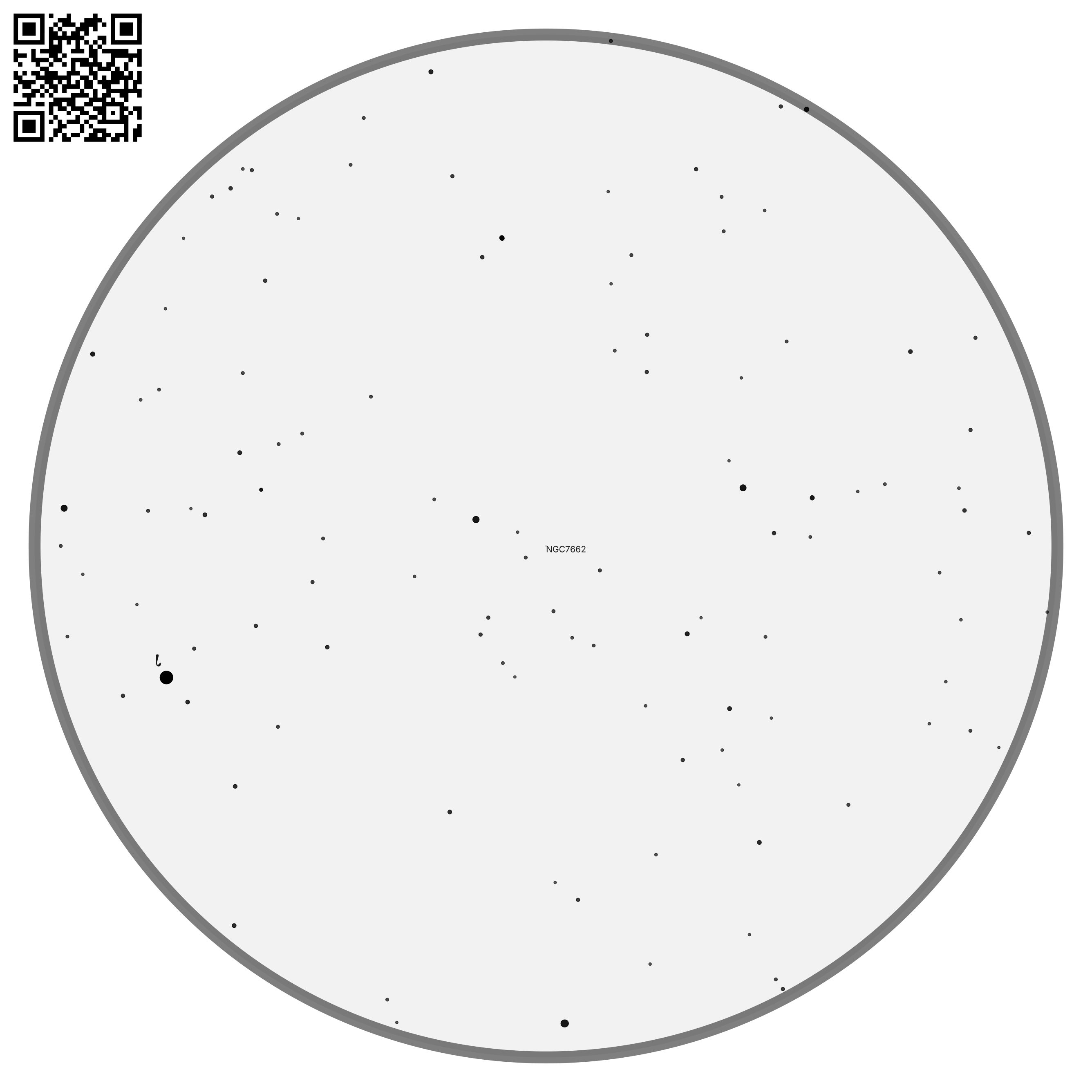
Finder scope & binocular view of NGC 7662
| Property | Value |
|---|---|
| Common names | Blue Snowball Nebula, Copeland’s Blue Snowball |
| Catalog names | C 22, NGC 7662, PGC 165926, PK 106-17.1, PN G106.5-17.6 |
| Type | Evolved Star |
| Subtype | Planetary Nebula |
| Coordinates | 23h 25m 53.83s, +42° 32’ 05.84” |
| Season | August - October |
| Best month | Mid-September |
| Beginner friendly | Marginal |
| Visual reward | Low |
| Filters required | OIII, UHC |
| LP tolerance | High |
| Minimum equipment | Small telescope |
| Optimal equipment | Medium telescope |
| Magnitude | 8.3 |
| Size | 0.62 arcminutes x 0.62 arcminutes |
| Constellation | Andromeda |
Observation Notes
Naked Eye
Not visible to the naked eye.
Binoculars
Appears stellar, indistinguishable from a faint star. Its planetary nature is not apparent in binoculars.
Small Telescope
At low power, appears as a small, slightly bloated, bluish star. At moderate to higher magnifications (typically 80–120×), its tiny disk becomes apparent and clearly non-stellar.
Medium Telescope
The vivid blue-green color is obvious. The nebula shows a small, bright, slightly oval disk, and the central region may appear darker, suggesting an annular or shell-like structure.
Large Telescope
The ring-like structure becomes more apparent, with a brighter rim and subtle internal brightness variations. With an O-III filter and averted vision, the extremely faint outer halo can be detected under dark skies. The ~13.2-magnitude central star is a challenging but achievable target under steady seeing, often best attempted without a strong nebular filter.