Messier 27
Binoculars • Planetary Nebulae
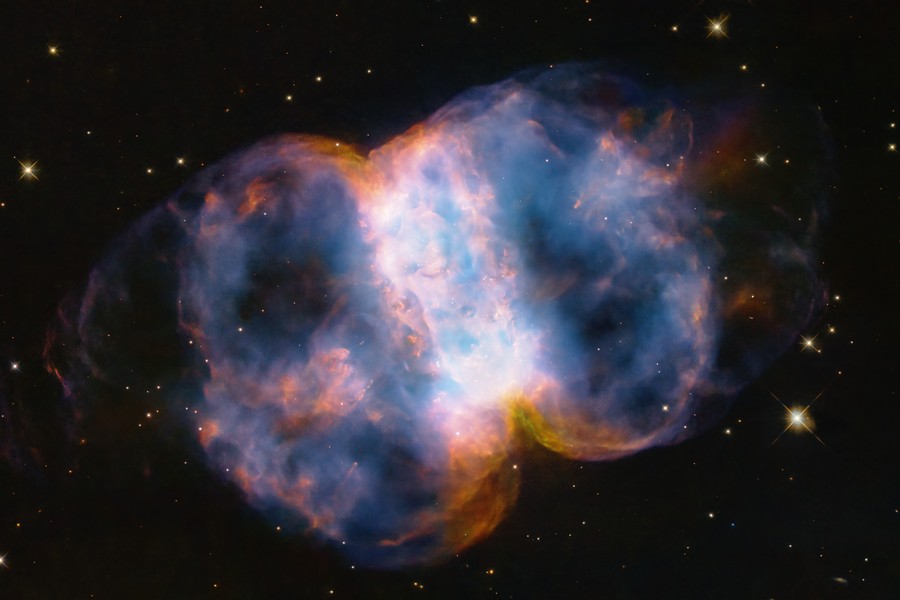
Image: ESA
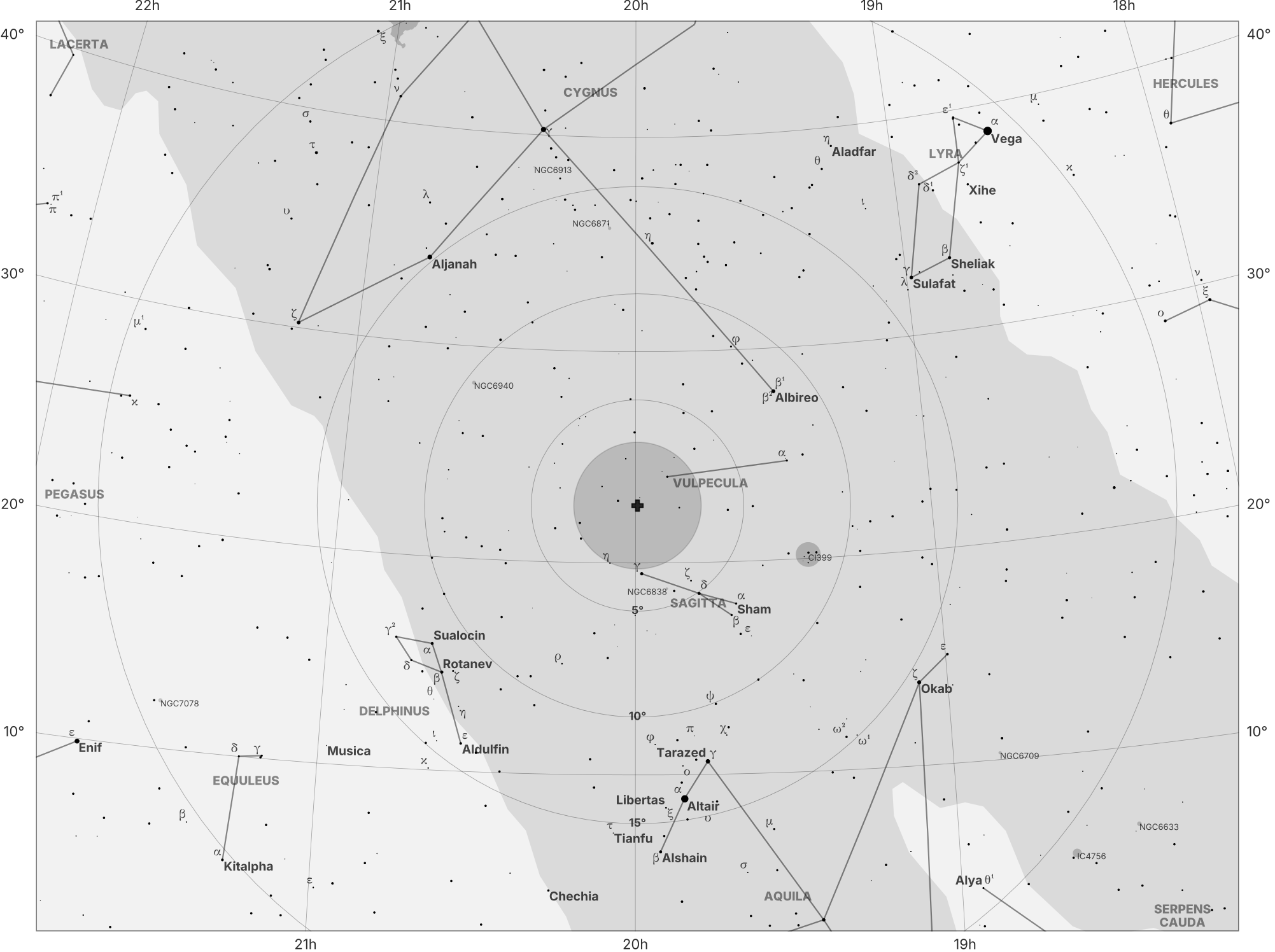
Finder map for Messier 27
An iconic object in amateur astronomy due to its brightness, distinct shape, and historical importance. It represents a key step in understanding the ultimate fate of our own Sun. Best observed when high in the sky (above 30° altitude) to minimize atmospheric distortion. Detecting the nebula’s full extent beyond its bright central lobes and appreciating subtle variations in brightness and shape. Advanced features such as the faint outer halo, the delicate extensions from the main lobes, and the central star require larger telescopes, high magnification, and excellent observing conditions.
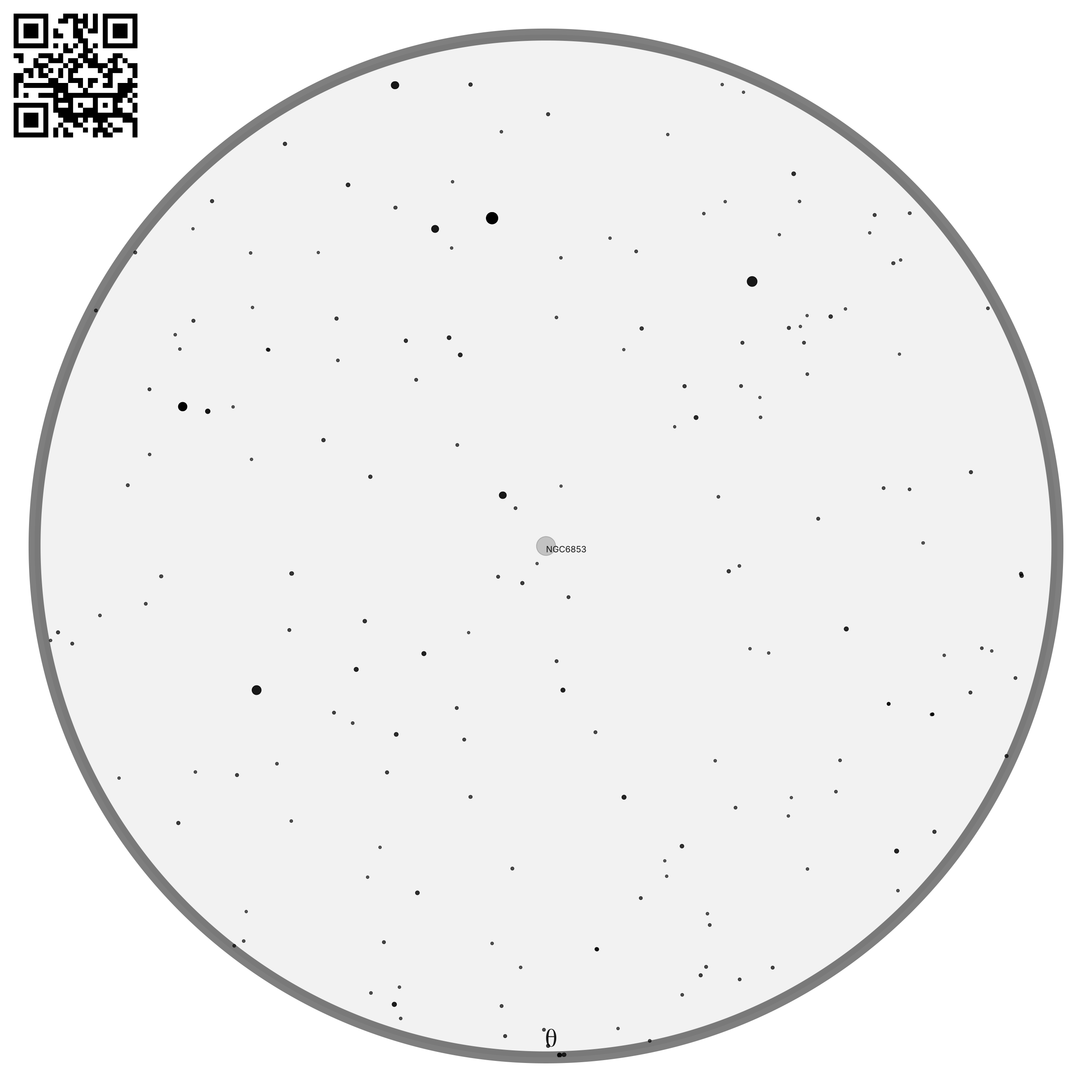
Finder scope & binocular view of Messier 27
| Property | Value |
|---|---|
| Common names | Dumbbell Nebula, Apple Core Nebula, Diabolo Nebula |
| Catalog names | M 27, NGC 6853, PK 060-03.1, PN G060.8-03.6 |
| Type | Evolved Star |
| Subtype | Planetary Nebula |
| Coordinates | 19h 59m 36.36s, +22° 43’ 16.31” |
| Season | June - August |
| Best month | Mid-July |
| Beginner friendly | Yes |
| Visual reward | High |
| Filters required | UHC, OIII |
| LP tolerance | Medium |
| Minimum equipment | Binoculars |
| Optimal equipment | Medium telescope |
| Magnitude | 7.4 |
| Size | 6.7 arcminutes x 6.7 arcminutes |
| Constellation | Vulpecula |
Observation Notes
Naked Eye
Not visible to the naked eye.
Binoculars
Detectable in 10×50 or larger binoculars from dark skies as a faint, diffuse oval patch of light. The nebula appears low in surface brightness, and its characteristic shape is usually not obvious at this aperture.
Small Telescope
Easily identified as a non-stellar object. At low to moderate magnification, the classic “dumbbell” or “apple-core” shape becomes apparent.
Medium Telescope
Reveals clear separation of the two main lobes, with visible mottling and texture within them. An O III filter dramatically enhances contrast and brings out subtle outer extensions, sometimes described as faint “ears,” under good sky conditions.
Large Telescope
Shows extensive internal detail, including brightness variations, knots, and complex structure within the lobes. The nebula takes on a richly textured appearance. The ~13.5-magnitude central star is a challenging but achievable target under steady seeing and dark skies.