NGC 6210
4-8 inch Telescope • Planetary Nebulae Detailed
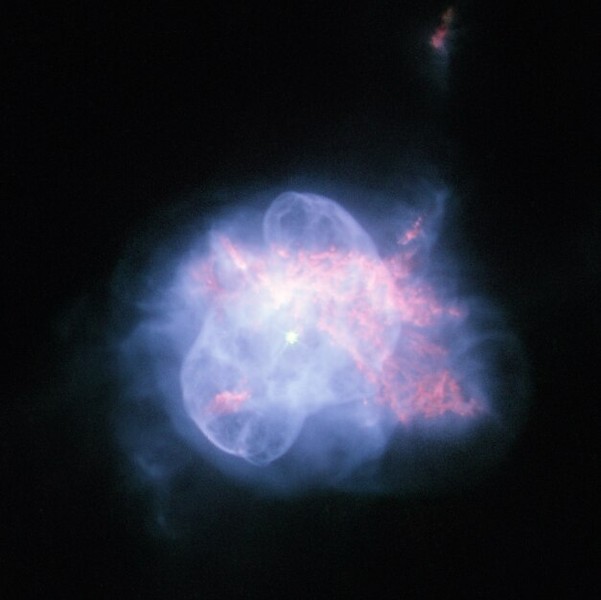
Image: ESA/Hubble and NASA
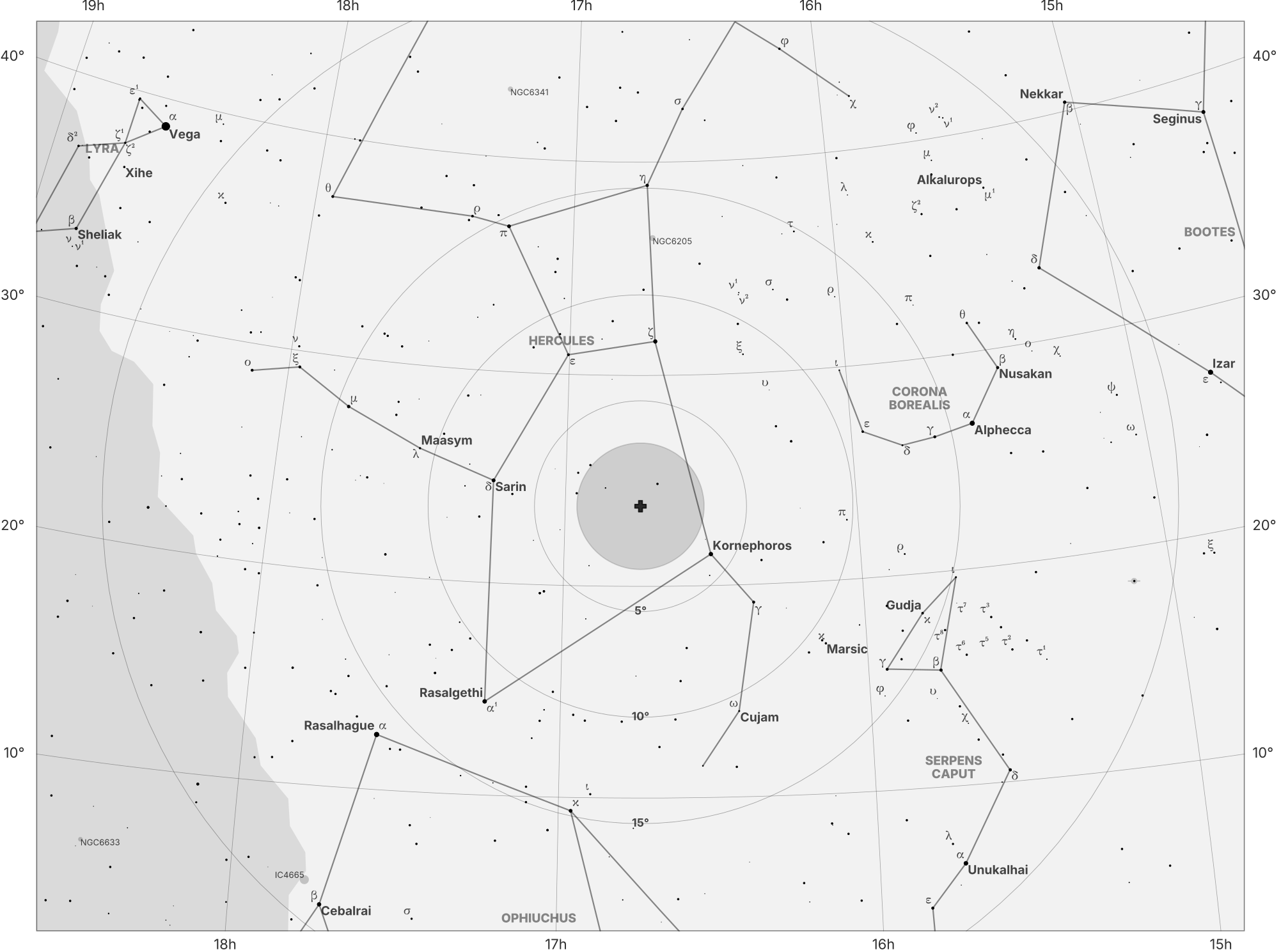
Finder map for NGC 6210
Best observed when high in the sky to reduce atmospheric extinction and improve contrast. Its northern declination favors Northern Hemisphere observers. The main visual challenge is confirming its non-stellar nature at moderate to high magnification and detecting subtle elongation or asymmetry in the nebula’s shape. Much finer internal structures such as jets and filaments seen in images lie beyond the visual reach of 4–8 inch telescopes.
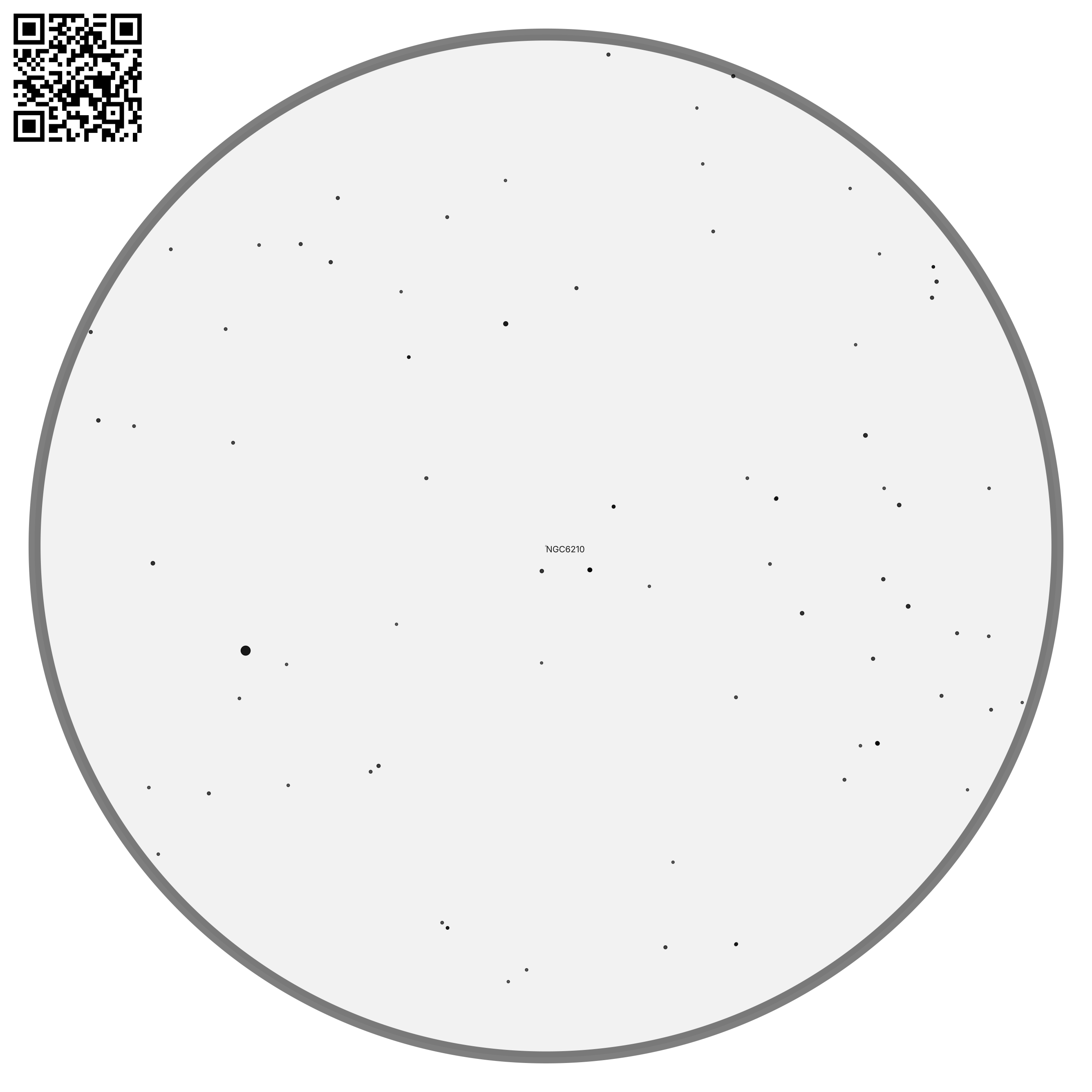
Finder scope & binocular view of NGC 6210
| Property | Value |
|---|---|
| Common names | Turtle Nebula |
| Catalog names | NGC 6210, PGC 1693983, PK 043+37.1, PN G043.1+37.7 |
| Type | Evolved Star |
| Subtype | Planetary Nebula |
| Coordinates | 16h 44m 29.52s, +23° 47’ 59.42” |
| Season | May - July |
| Best month | June |
| Beginner friendly | Marginal |
| Visual reward | Moderate |
| Filters required | OIII, UHC |
| LP tolerance | High |
| Minimum equipment | Small telescope |
| Optimal equipment | Medium telescope |
| Magnitude | 8.8 |
| Size | 0.35 arcminutes x 0.35 arcminutes |
| Constellation | Hercules |
Observation Notes
Naked Eye
Not visible.
Binoculars
Not visible as a nebula; at best may appear stellar in very large binoculars under exceptionally dark skies.
Small Telescope
In 4–6 inch apertures, appears at higher magnification (100× or more) as a small, bright, distinctly non-stellar object resembling a slightly fuzzy, out-of-focus star. A bluish-green tint may be noticeable under good conditions.
Medium Telescope
With 8–12 inches, the nebula resolves into a small disk with a slightly irregular or boxy outline. The blue-green coloration is often apparent, and the object responds well to increased magnification.
Large Telescope
In apertures of roughly 14 inches and larger, high magnification under steady seeing may reveal subtle unevenness or mottling in surface brightness across the disk. Any internal jet-like features are an extreme visual challenge and, if suspected at all, appear only as fleeting contrast effects rather than distinct structures.