NGC 7009
4-8 inch Telescope • Planetary Nebulae Detailed
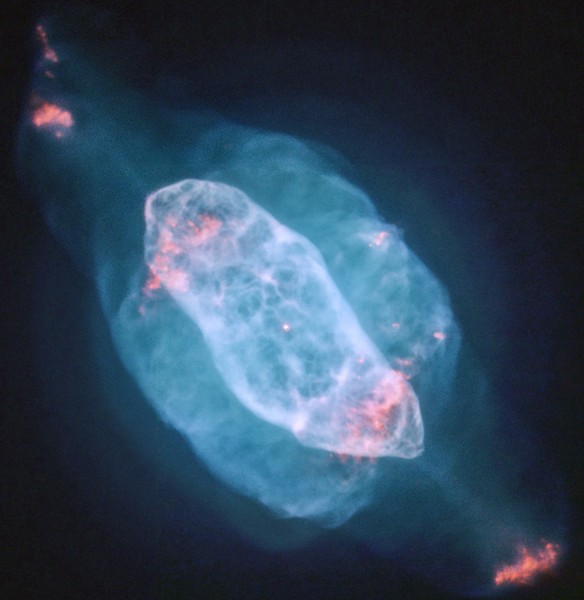
Image: Judy Schmidt
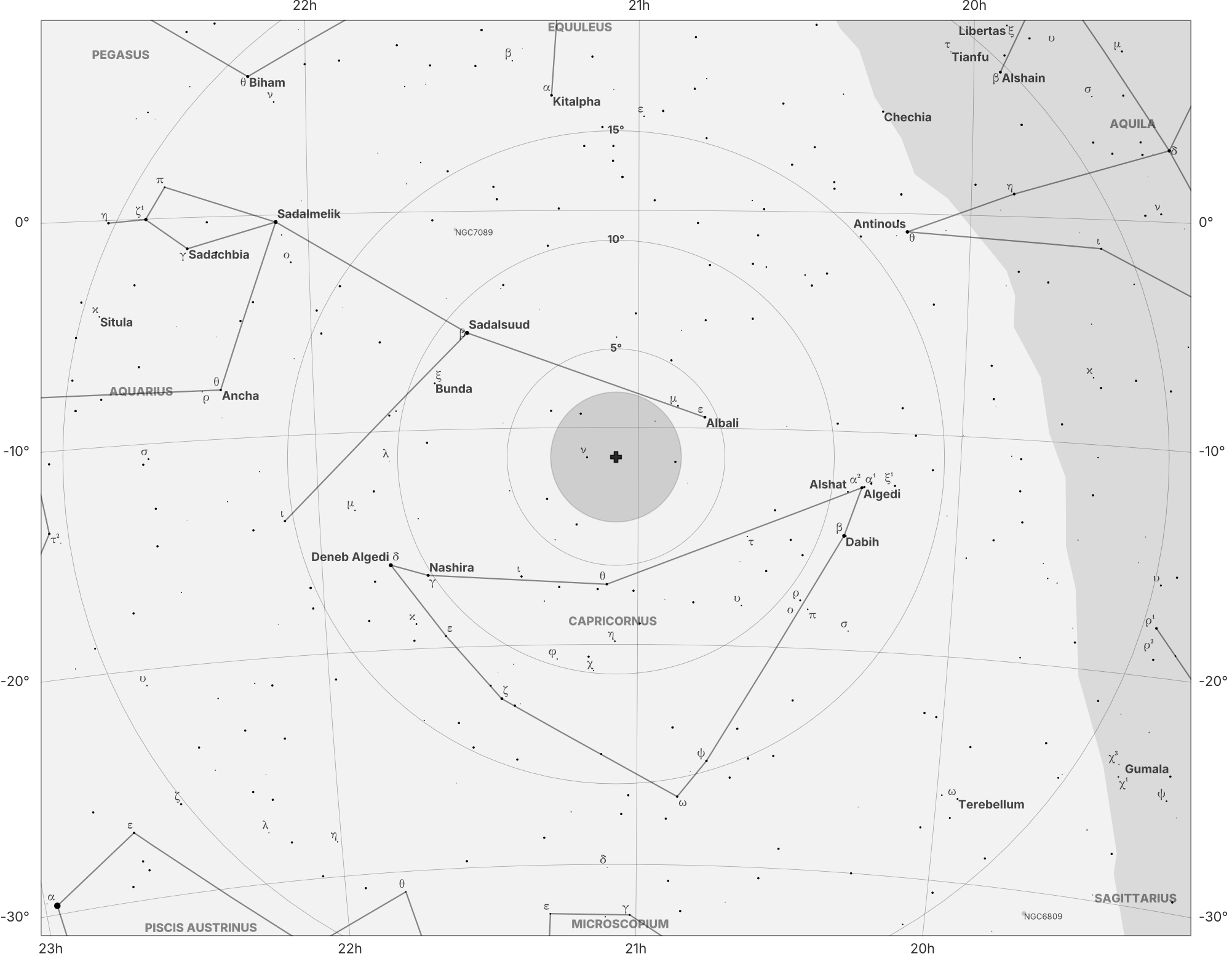
Finder map for NGC 7009
A celebrated ‘showpiece’ object in the amateur astronomy community, famous for its unique and evocative appearance. Best observed when high in the sky to reduce atmospheric extinction and improve contrast, which is important when using higher magnification. The visual challenge is detecting subtle elongation or extensions at the ends of the bright nebular shell when using moderate to high magnification. The well-defined ansae seen in images are beyond reliable visual resolution in most 4–8 inch telescopes.
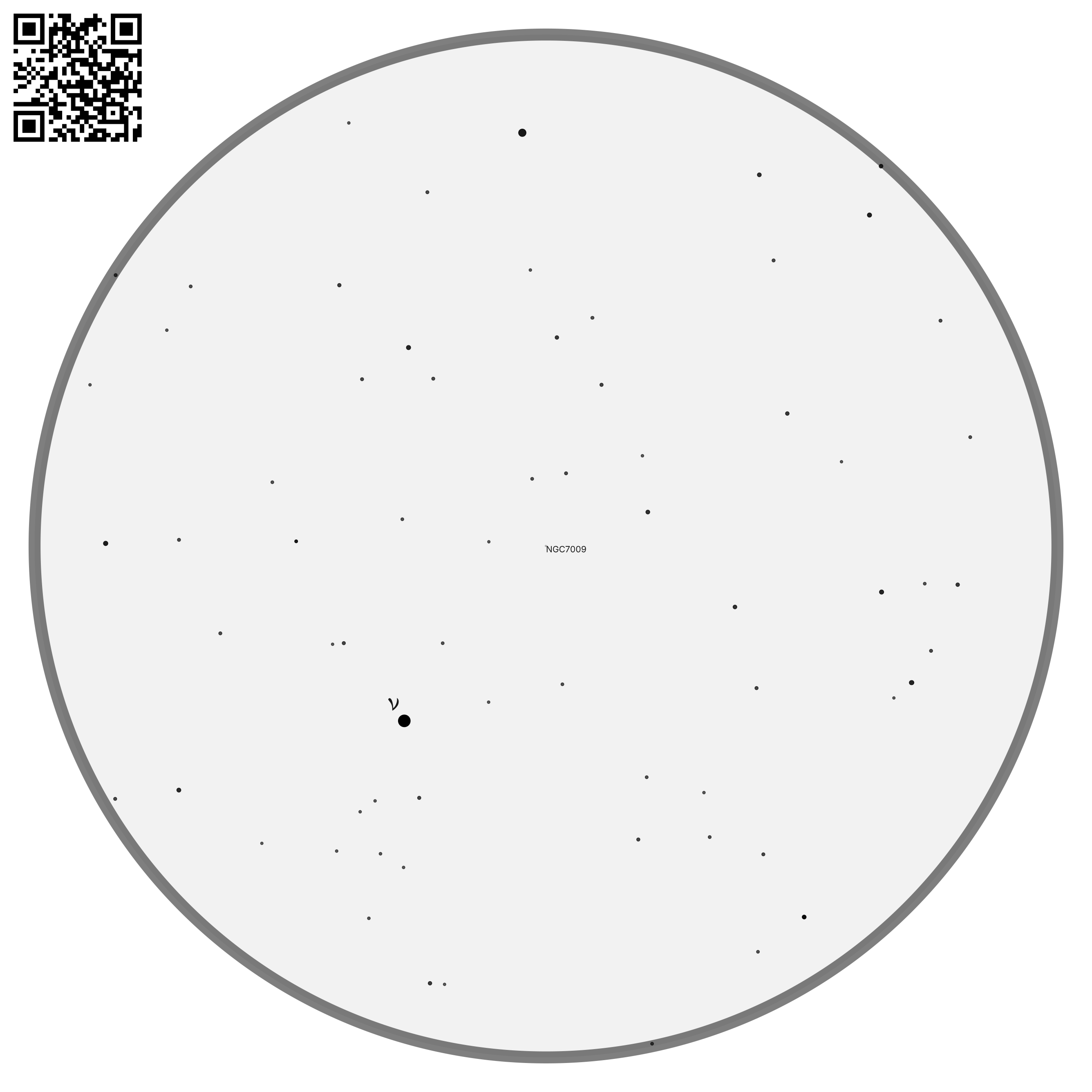
Finder scope & binocular view of NGC 7009
| Property | Value |
|---|---|
| Common names | Saturn Nebula, Caldwell 55 |
| Catalog names | C 55, NGC 7009, PGC 3163156, PK 037-34.1, PN G037.7-34.5 |
| Type | Evolved Star |
| Subtype | Planetary Nebula |
| Coordinates | 21h 04m 10.82s, -11° 21’ 48.58” |
| Season | July - September |
| Best month | August |
| Beginner friendly | Yes |
| Visual reward | High |
| Filters required | OIII, UHC |
| LP tolerance | High |
| Minimum equipment | Small telescope |
| Optimal equipment | Medium telescope |
| Magnitude | 8.0 |
| Size | 0.58 arcminutes x 0.58 arcminutes |
| Constellation | Aquarius |
Observation Notes
Naked Eye
Not visible.
Binoculars
Not visible as a nebula; at best appears stellar in very large binoculars under exceptionally dark skies.
Small Telescope
In 4–6 inch apertures, appears as a small, bright, distinctly non-stellar object, often slightly oval at moderate magnification. A greenish-blue hue is frequently noticeable, and at low power it can resemble a faint, slightly out-of-focus star.
Medium Telescope
With 8–12 inches, the oval disk is clearly defined. At high magnification (200× or more) and under steady seeing, faint extensions corresponding to the ansae may be suspected as subtle protrusions on opposite sides of the nebula.
Large Telescope
In apertures of roughly 14 inches and larger, the ansae are more readily visible as low-contrast extensions flanking the main disk. The blue-green coloration is often pronounced, and an O-III filter significantly enhances contrast, helping the nebula stand out cleanly against the background without revealing sharply defined internal structure.