Stock 2
Binoculars • Clusters
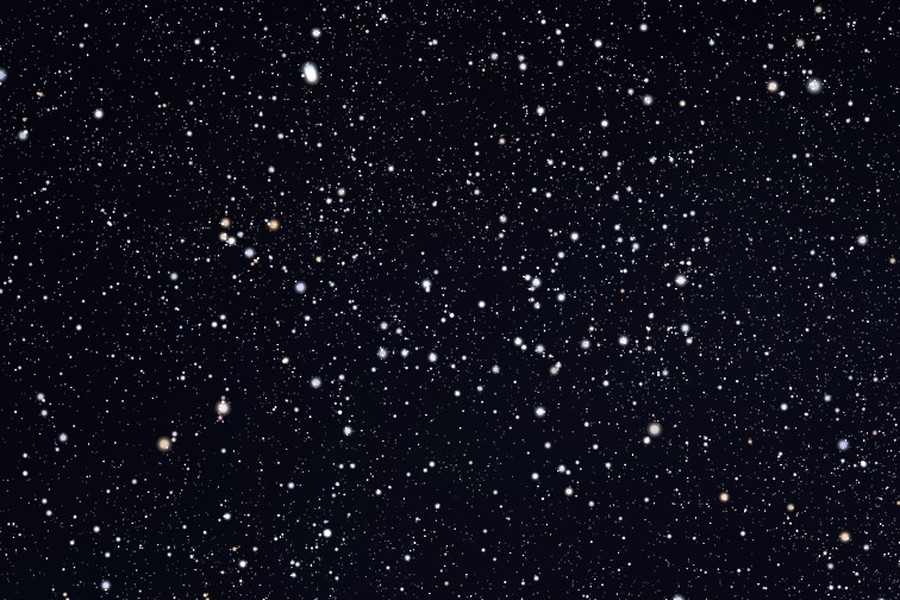
Image: Roberto Mura
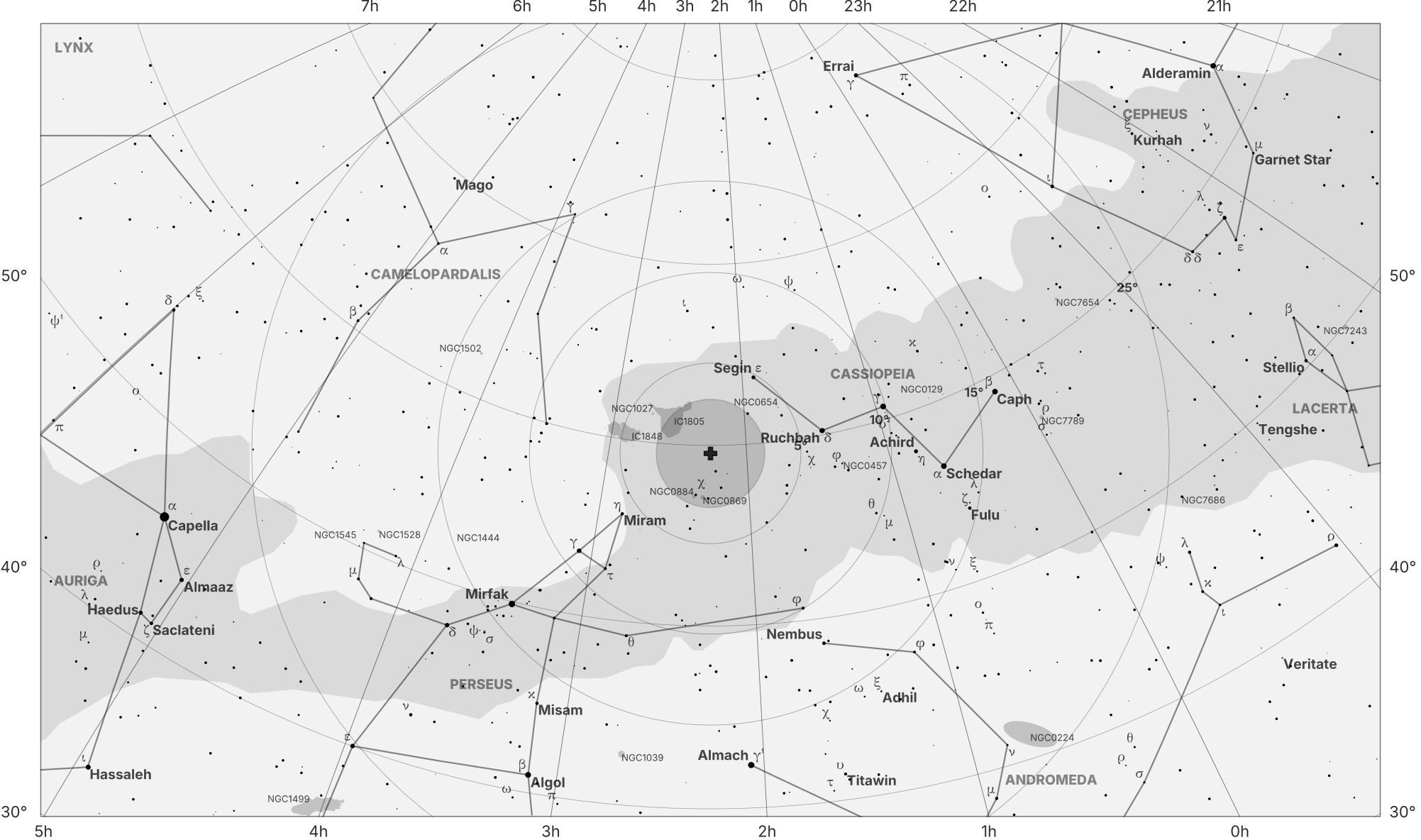
Finder map for Stock 2
A celebrated object within the amateur astronomy community due to its whimsical and easily recognizable ‘Muscleman’ shape, making it a favorite binocular tour highlight. Best observed from mid-to-high northern latitudes where it is circumpolar or reaches high altitude. Difficult to impossible to see from most of the Southern Hemisphere. Its extremely large angular size and sparse nature make it difficult to distinguish from the surrounding star field, especially in light-polluted skies or without very low-power, wide-field optics.
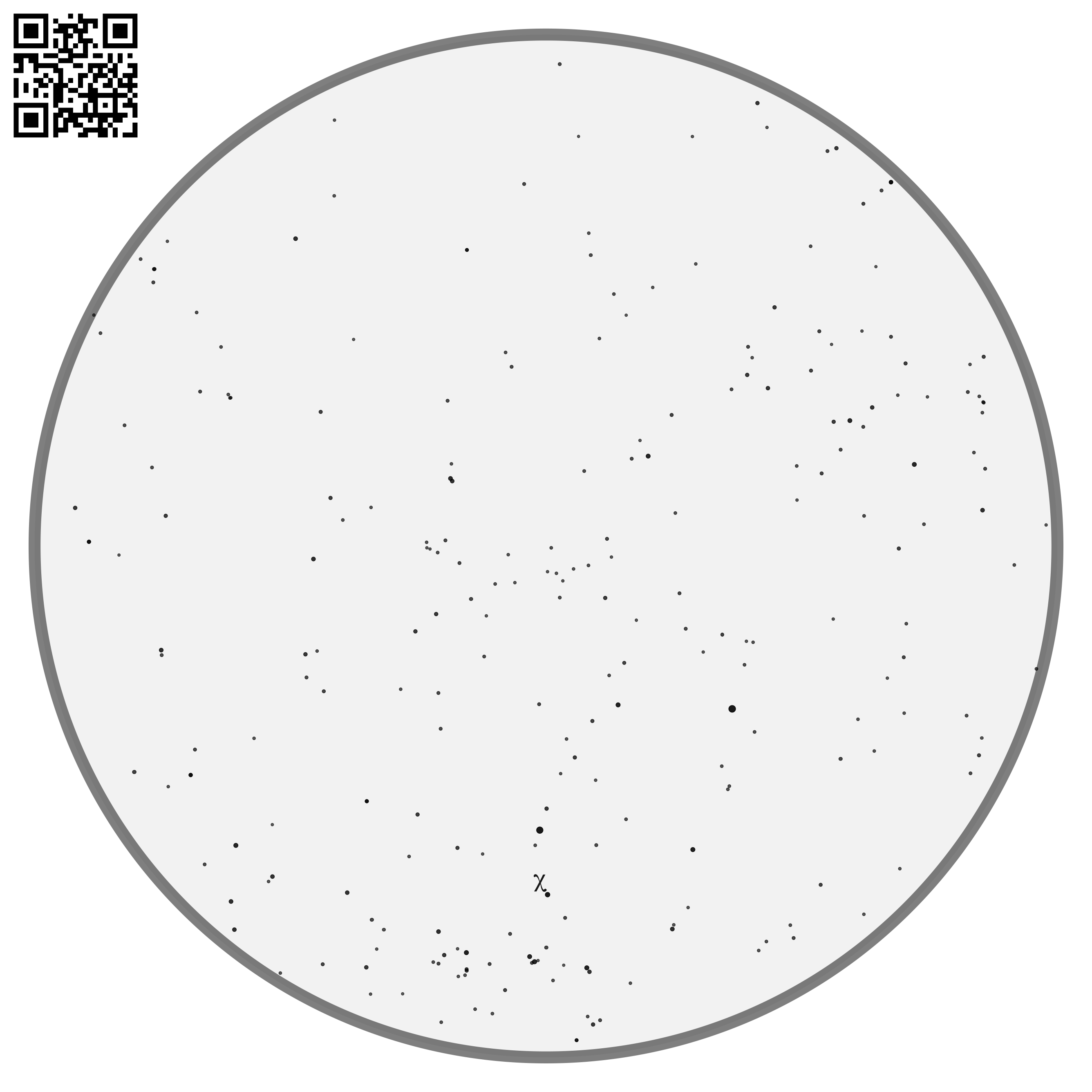
Finder scope & binocular view of Stock 2
| Property | Value |
|---|---|
| Common names | Muscleman Cluster, Strongman Cluster |
| Catalog names | St 2 |
| Type | Stellar Cluster |
| Subtype | Open Cluster |
| Coordinates | 2h 15m 47.80s, +59° 33’ 12.00” |
| Season | October - December |
| Best month | November |
| Beginner friendly | Yes |
| Visual reward | Moderate |
| Filters required | None |
| LP tolerance | Medium |
| Minimum equipment | Naked eye |
| Optimal equipment | Binoculars |
| Magnitude | 4.4 |
| Size | - |
| Constellation | Cassiopeia |
Observation Notes
Naked Eye
Visible from dark skies as a loose grouping of individual stars rather than a hazy patch. Although set against the Milky Way in Perseus, its star pattern can be picked out with careful inspection under good transparency.
Binoculars
The ideal instrument for viewing this cluster. The entire cluster fits comfortably in the field, revealing its distinctive “Muscleman” shape and resolving into several dozen stars against a rich Milky Way background.
Small Telescope
Generally too large to frame at moderate magnification. Very low-power, wide-field eyepieces or a finder scope provide the most satisfying view, allowing the cluster’s overall form to be appreciated.
Medium Telescope
Poorly suited for viewing the cluster as a whole, as the wide context is lost. Can be used to examine individual member stars or small groupings within the cluster.
Large Telescope
Ineffective for appreciating the cluster itself. The object’s large angular size means increased aperture offers little benefit, and it is best observed with naked eye or binoculars.