Celestial Objects
161 galaxies, nebulae, star clusters, notable stars, and asterisms. Each entry has observing notes, best-viewing months, and visibility computed for your latitude and for tonight.
15 Monocerotis
S Monocerotis is the dominant star of the NGC 2264 region, commonly known as the Christmas Tree Cluster, a well-known winter object for Northern...
Constellation: Monoceros
Magnitude: 4.68
Best viewing: December - February
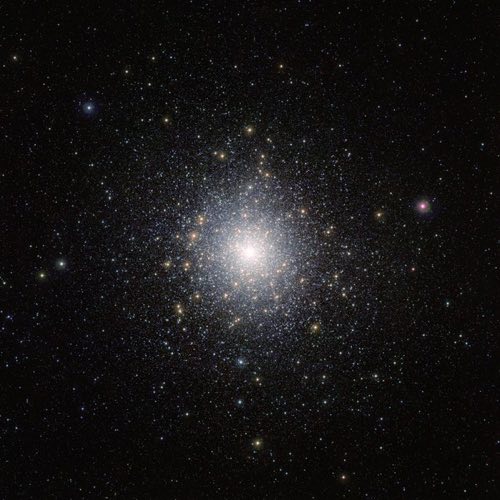
47 Tucanae
C106A premier 'showpiece' object for the Southern Hemisphere, analogous to the Hercules Cluster (M13) or Andromeda Galaxy (M31) for northern observers. It is...
Constellation: Tucana
Magnitude: 4
Best viewing: September - November
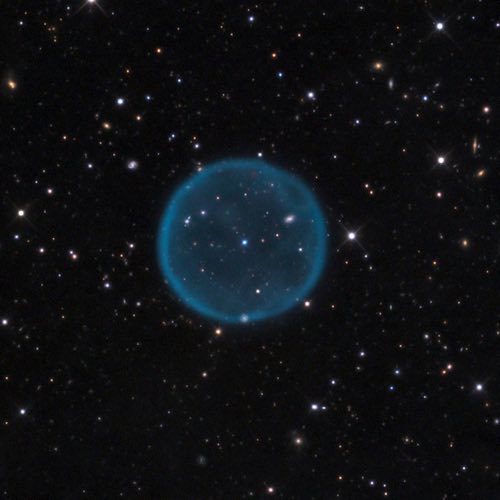
Abell 39
Abell39High altitude above the horizon is essential to minimize atmospheric extinction, given the object's extremely low surface brightness. Its extremely low...
Constellation: Hercules
Magnitude: 13.7
Best viewing: September - November
AG Draconis
Circumpolar from mid to high northern latitudes, allowing year-round visibility. From lower northern latitudes it is best observed when high in the sky....
Constellation: Draco
Magnitude: 9.74
Best viewing: April - June
Albireo
Universally regarded as the quintessential showpiece double star for amateur astronomers due to its ease of observation and stunning color contrast. It is...
Constellation: Cygnus
Magnitude: 3.08
Best viewing: June - August
Algol
In Greek mythology, Algol represents the blinking, evil eye of the Gorgon Medusa, whose severed head was carried by Perseus. The name 'Algol' derives from...
Constellation: Perseus
Magnitude: 2.12
Best viewing: October - December
Almach
Almach’s Arabic name is traditionally associated with al-‘anāq (a caracal-like animal), though the exact meaning is debated. Best observed when high above...
Constellation: Andromeda
Magnitude: 2.1
Best viewing: September - November
Alpha Centauri AB
A prominent star system in several Southern Hemisphere indigenous astronomical traditions. In modern science fiction, its status as the nearest stellar...
Constellation: Centaurus
Magnitude: 0.01
Best viewing: April - June
Alpha Crucis
A major cultural icon in the Southern Hemisphere, Acrux forms the base of the Southern Cross. The constellation Crux appears on the national flags of...
Constellation: Crux
Magnitude: 0.76
Best viewing: March - May
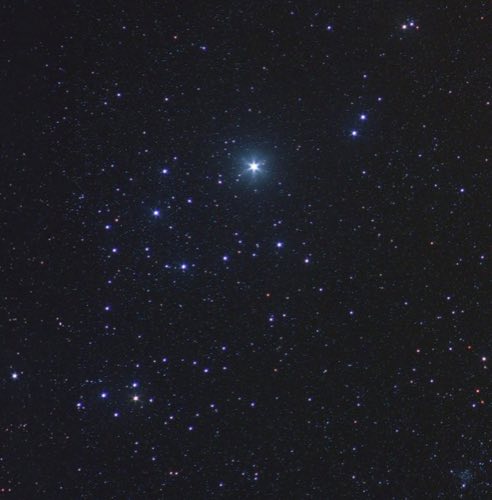
Alpha Persei Cluster
The cluster is centered on Mirfak (Alpha Persei), a prominent star of the Greek mythological constellation Perseus the Hero. The name Mirfak derives from...
Constellation: Perseus
Magnitude: 1.2
Best viewing: October - December
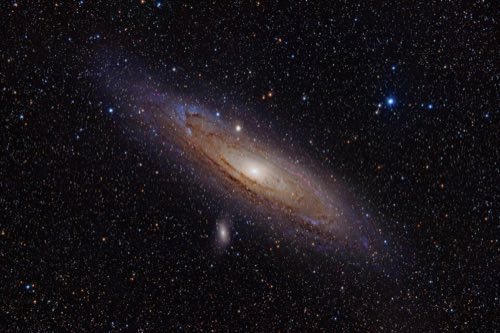
Andromeda Galaxy
M31A key object in the 1920 Great Debate between Shapley and Curtis. Its discovery as a separate galaxy fundamentally altered our perception of the...
Constellation: Andromeda
Magnitude: 3.44
Best viewing: September - November
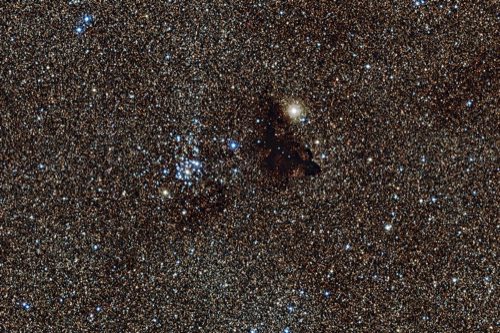
B86
No known cultural or mythological significance. LDN 93 is known primarily among experienced observers as a representative dark nebula embedded in the...
Constellation: Sagittarius
Magnitude:
Best viewing: May - July
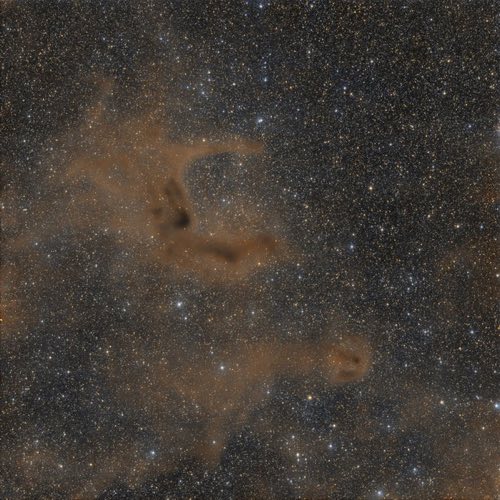
Barnard 142 and 143
B142No known cultural or mythological significance. LDN 688 is primarily known within the astronomical community as a representative example of a dark nebula...
Constellation: Aquila
Magnitude:
Best viewing: June - August
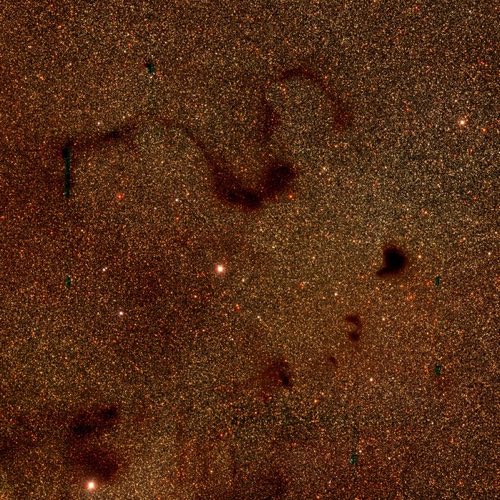
Barnard 72
B72Best observed when high in the sky from a dark location to maximize contrast against the Milky Way. Its extremely low surface brightness and reliance on...
Constellation: Ophiuchus
Magnitude:
Best viewing: May - July
Beta Monocerotis
While lacking ancient mythological significance, Beta Monocerotis is celebrated in amateur astronomy as one of the finest showpiece multiple stars...
Constellation: Monoceros
Magnitude: 3.74
Best viewing: December - February
Betelgeuse
A prominent star in the mythologies of many cultures. In Greco-Roman tradition it marks the shoulder of Orion the Hunter. In various Aboriginal Australian...
Constellation: Orion
Magnitude: 0.42
Best viewing: November - January
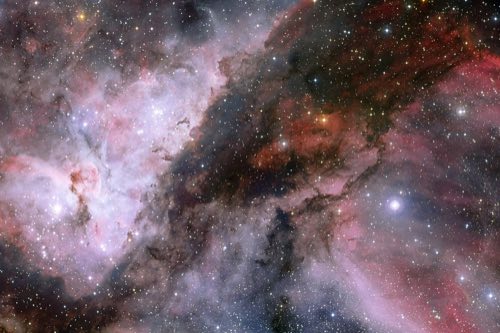
Carina Nebula
C92A premier celestial showpiece for the Southern Hemisphere, analogous to the Orion Nebula for northern observers. It is a cornerstone of public outreach...
Constellation: Carina
Magnitude: 1
Best viewing: February - April
Castor
Represents one of the Dioscuri twins in Greek mythology—Castor, the mortal horseman brother of the immortal Pollux. Together with Pollux, it has long been...
Constellation: Gemini
Magnitude: 1.58
Best viewing: December - February
Chi Cygni
Although it has no known mythological associations, χ Cygni holds an important place in the history of astronomy as one of the classic Mira-type variables...
Constellation: Cygnus
Magnitude: 4.24
Best viewing: June - August
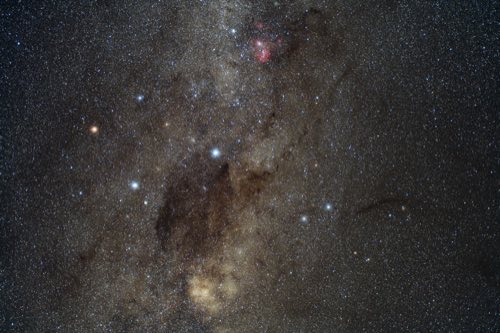
Coalsack Nebula
C99A major feature in many Southern Hemisphere cultures' cosmologies. Its most famous representation is as the head of the 'Emu in the Sky', a constellation...
Constellation: Crux
Magnitude:
Best viewing: March - May
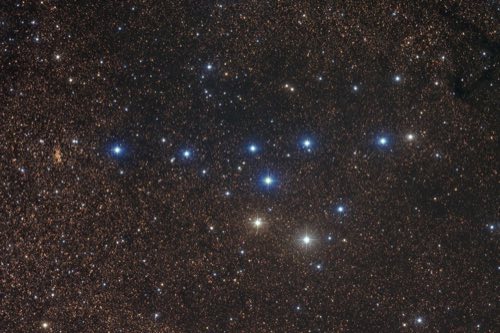
Coathanger
Cr399A famous and beloved target for amateur astronomers, often one of the first objects shown to beginners due to its clear and recognizable shape in...
Constellation: Vulpecula
Magnitude:
Best viewing: June - August
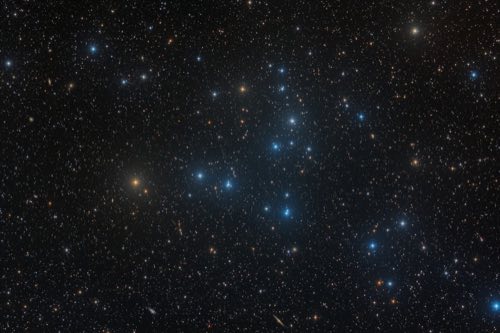
Coma Star Cluster
Cr256Represents the golden tresses of Queen Berenice II of Egypt in Greek mythology. She sacrificed her hair to Aphrodite for the safe return of her husband...
Constellation: Coma Berenices
Magnitude: 1.8
Best viewing: March - May
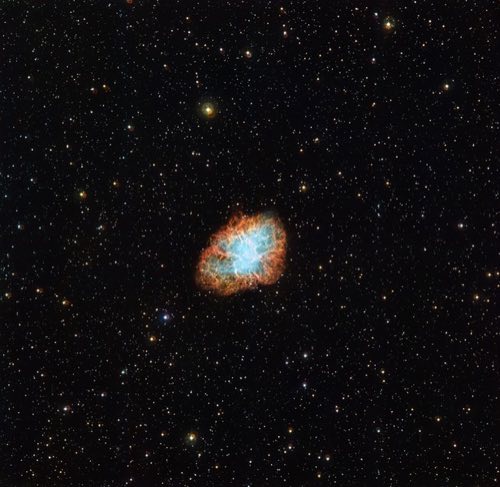
Crab Nebula
M1The supernova of 1054 CE was recorded by astronomers in East Asia—most notably in China—and by Islamic scholars, with possible references in other...
Constellation: Taurus
Magnitude: 8.4
Best viewing: November - January
Crux
An iconic symbol of the Southern Hemisphere, featured on the national flags of Australia, New Zealand, Brazil, Papua New Guinea, and Samoa. The Southern...
Constellation: Crux
Magnitude:
Best viewing: March - May
Delta Cephei
Represents a cornerstone of modern cosmology. The understanding of Cepheid variables, prototyped by Delta Cephei, fundamentally changed humanity's...
Constellation: Cepheus
Magnitude: 3.75
Best viewing: August - October
Diamond of Virgo
A major celestial landmark of the Northern Hemisphere spring sky. The asterism frames the Virgo–Coma region often called the 'Realm of the Galaxies' Best...
Constellation: Multiple
Magnitude:
Best viewing: March - May
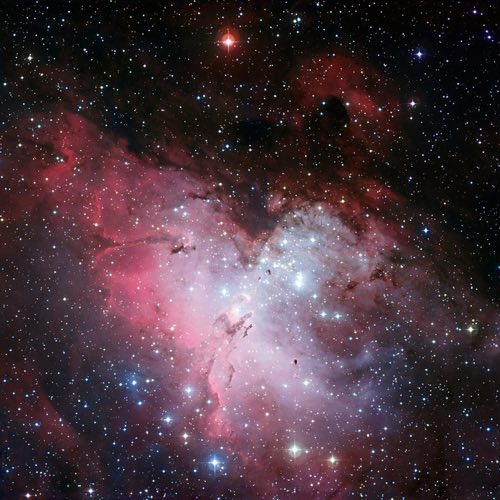
Eagle Nebula
M16NGC 6611 is the young open cluster embedded within the Eagle Nebula (M16). The nebula surrounding it is famous in modern culture for the “Pillars of...
Constellation: Serpens
Magnitude: 6
Best viewing: June - August
Epsilon Boötis
The name Izar is from the Arabic 'īzār', meaning 'veil' or 'loincloth'. The name Pulcherrima is Latin for 'most beautiful', bestowed by its discoverer to...
Constellation: Boötes
Magnitude: 2.45
Best viewing: April - June
Epsilon Lyrae
eps01LyrA quintessential showpiece object for amateur astronomers and public star parties. It is one of the most famous multiple star systems in the sky and is...
Constellation: Lyra
Magnitude: 4.66
Best viewing: June - August
Eta Aquilae
Eta Aquilae lies in the Greek constellation Aquila, the eagle associated with Zeus in classical mythology. The star’s modern Bayer designation reflects...
Constellation: Aquila
Magnitude: 3.8
Best viewing: June - August
Eta Carinae
A major source of fascination in 19th-century astronomy due to its Great Eruption (c. 1837–1858), which briefly made it one of the brightest stars in the...
Constellation: Carina
Magnitude: 6.48
Best viewing: February - April
EZ Canis Majoris
Best observed from the Southern Hemisphere, where it reaches a high altitude. From mid-northern latitudes it remains relatively low in the southern sky...
Constellation: Canis Major
Magnitude: 6.91
Best viewing: December - February
False Cross
A well-known “false Southern Cross” in modern celestial navigation and observational lore. Unlike the true Southern Cross (Crux), it has no established...
Constellation: Multiple
Magnitude:
Best viewing: January - March
Gamma Cassiopeiae
Informally named 'Navi' by astronaut Gus Grissom for use in celestial navigation; it is his middle name (Ivan) spelled backwards. In Chinese astronomy, it...
Constellation: Cassiopeia
Magnitude: 2.39
Best viewing: September - November
Gamma Delphini
As part of Delphinus, it is associated with Greek myths of dolphins, particularly the story of the poet Arion. It forms a key part of the easily...
Constellation: Delphinus
Magnitude: 5.14
Best viewing: July - September
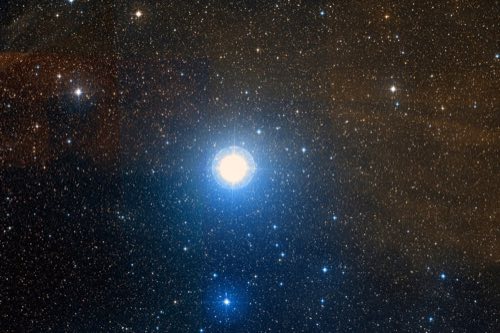
Gamma Velorum
As part of the former constellation Argo Navis, Regor lay within the region of sky traditionally associated with the mythological ship of the Argonauts....
Constellation: Vela
Magnitude: 1.83
Best viewing: January - March
Great Square of Pegasus
A large naked-eye asterism of the autumn sky, the Great Square is formed by four stars shared between Pegasus and Andromeda and is used to find nearby objects.
Constellation: Pegasus
Magnitude:
Best viewing: August - October
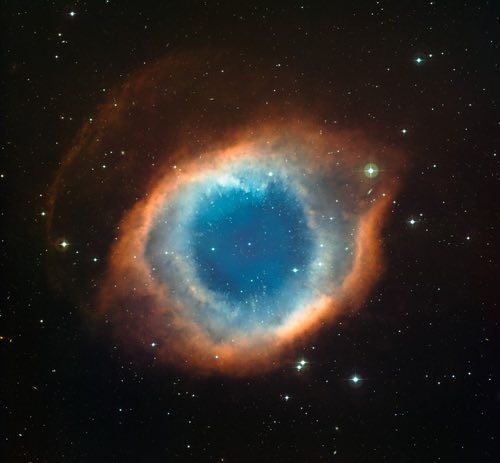
Helix Nebula
C63One of the most famous planetary nebulae in modern astronomy, the Helix Nebula is widely recognized for its eye-like appearance in deep images and is...
Constellation: Aquarius
Magnitude: 7.3
Best viewing: August - October
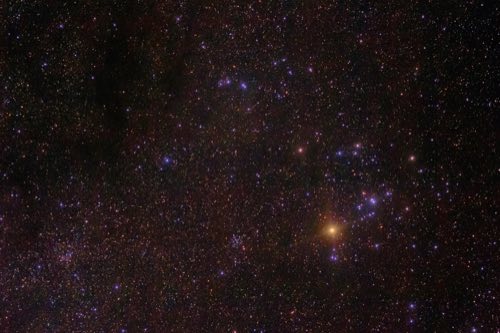
Hyades
C41In Greek mythology, the Hyades were the five daughters of Atlas and half-sisters to the Pleiades. Their name is associated with rain, as their rising and...
Constellation: Taurus
Magnitude: 0.5
Best viewing: November - January
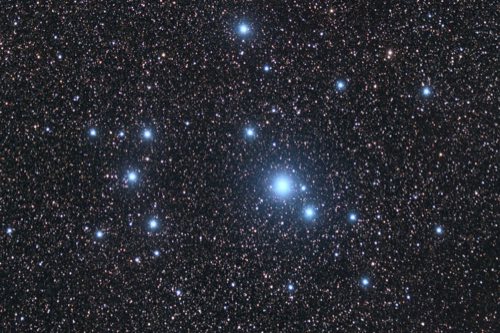
IC 2602
C102Widely known as the 'Southern Pleiades' throughout the Southern Hemisphere, serving as a prominent celestial landmark and a signpost for the southern...
Constellation: Carina
Magnitude: 1.6
Best viewing: February - April
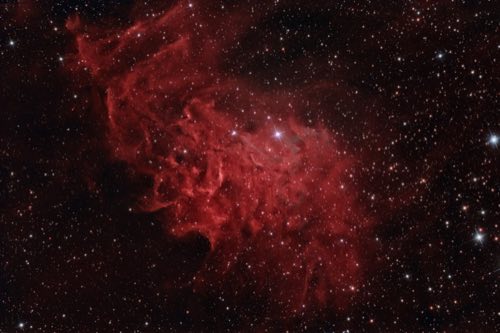
IC 405
C31The popular name “Flaming Star Nebula” is derived from its appearance in long-exposure color astrophotography. It is a well-known and frequently imaged...
Constellation: Auriga
Magnitude: 6
Best viewing: November - January
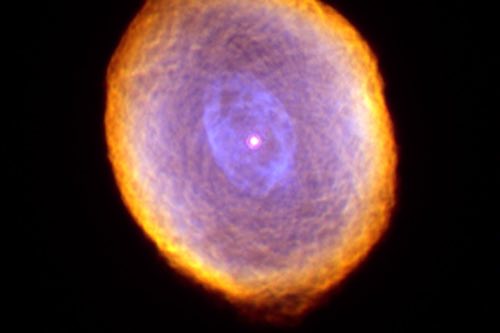
IC 418
IC418Well placed for Southern Hemisphere observers. From mid-northern latitudes it culminates at a lower altitude in the southern sky during winter, requiring...
Constellation: Lepus
Magnitude: 9.3
Best viewing: November - January
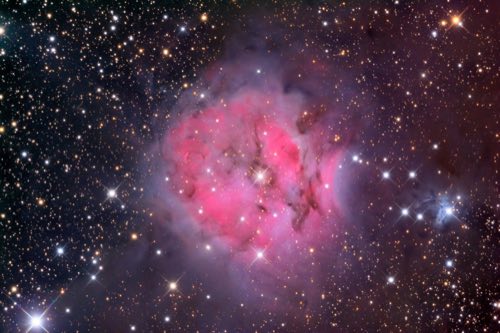
IC 5146
C19Its common name, the Cocoon Nebula, evokes the imagery of a young star emerging from its natal dusty cocoon, making it an illustrative and popular object...
Constellation: Cygnus
Magnitude: 7.2
Best viewing: July - September
Iota Trianguli
Best observed when high in the sky to minimize atmospheric distortion (seeing), which is crucial for splitting double stars. The magnitude difference of...
Constellation: Triangulum
Magnitude: 4.952
Best viewing: October - December
Job's Coffin
n Greek mythology, the constellation Delphinus represents the dolphin that rescued the musician Arion. The asterism has also been known historically in...
Constellation: Delphinus
Magnitude:
Best viewing: July - September
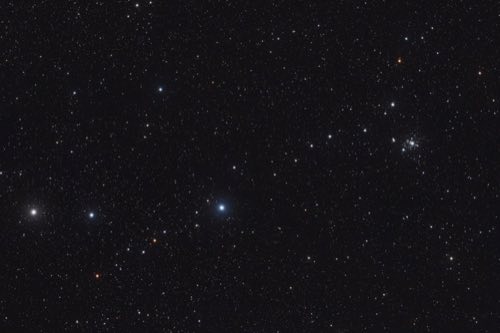
Kemble's Cascade
NGC1502A beloved showpiece object for amateur astronomers, demonstrating that significant discoveries and beautiful sights are accessible with modest equipment....
Constellation: Camelopardalis
Magnitude:
Best viewing: November - January
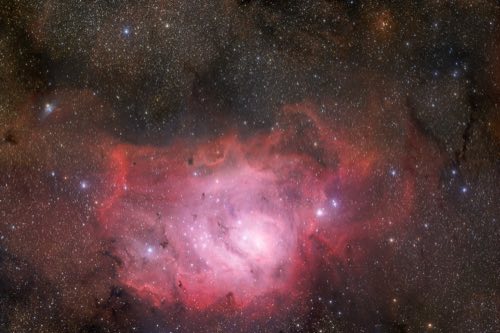
Lagoon Nebula
M8A classic 'showpiece' object for amateur and professional astronomers, representing one of the most beautiful and accessible stellar nurseries in the...
Constellation: Sagittarius
Magnitude: 6
Best viewing: May - July
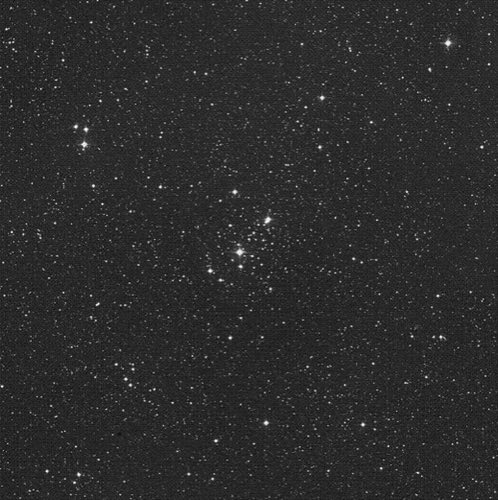
M103
Discovered by Pierre Méchain in 1781, NGC 581 was not included in Messier’s published catalog but was later designated Messier 103 based on his...
Constellation: Cassiopeia
Magnitude: 7.4
Best viewing: September - November
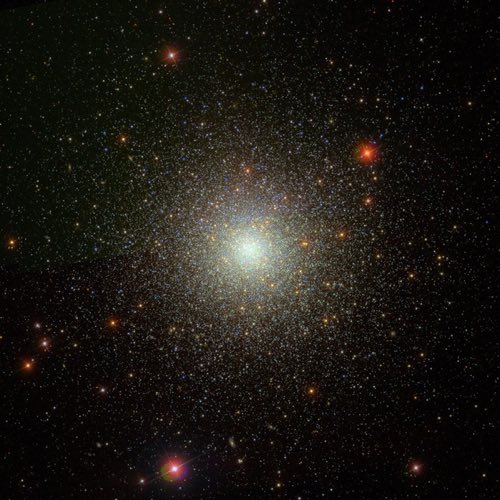
M3
As one of the 'big three' northern globular clusters (along with M13 and M5), M3 is a cornerstone object for amateur astronomy and a frequent target at...
Constellation: Canes Venatici
Magnitude: 6.3
Best viewing: March - May
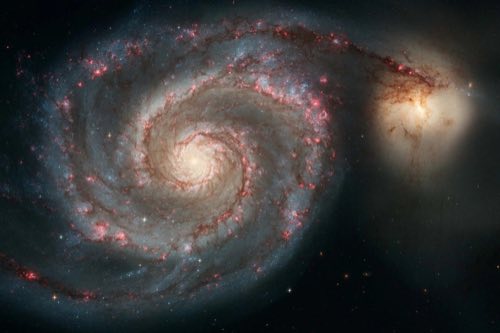
M51 (Whirlpool Galaxy)
M51M51 is one of the most famous and widely recognized galaxies in the sky. Its iconic, face-on spiral appearance makes it a frequent subject for amateur and...
Constellation: Canes Venatici
Magnitude: 8.36
Best viewing: March - May
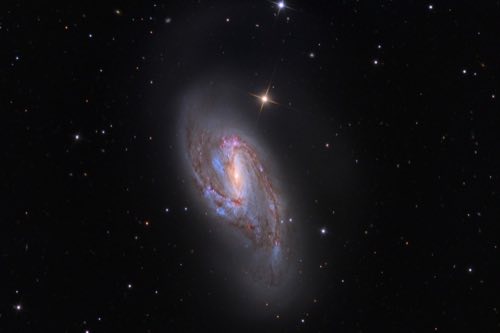
M66
A premier object in the Messier Catalog and a highlight of the spring sky for amateur astronomers worldwide. It is a key target in 'Messier Marathons'....
Constellation: Leo
Magnitude: 8.92
Best viewing: February - April
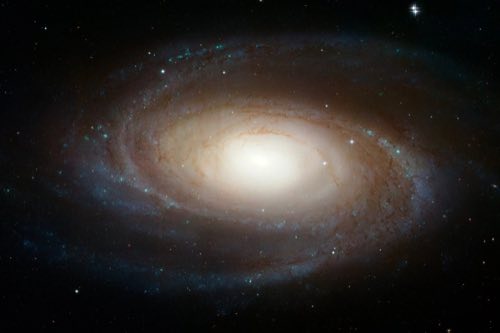
M81
One of the most famous and frequently photographed galaxies in the night sky. It serves as a canonical example of a 'grand design' spiral galaxy in...
Constellation: Ursa Major
Magnitude: 6.94
Best viewing: January - March
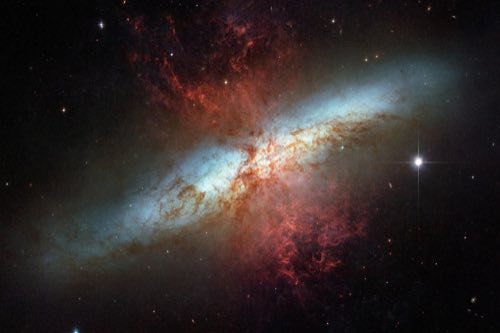
M82
An iconic and frequently photographed object in amateur astronomy, famed for its unique shape and its pairing with M81. High altitude preferred to resolve...
Constellation: Ursa Major
Magnitude: 8.41
Best viewing: January - March
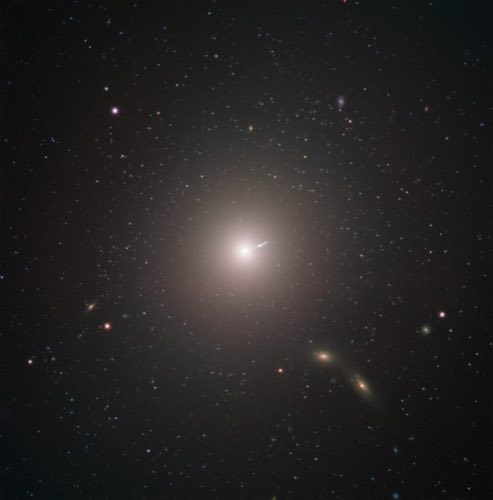
M87
The image of the M87* black hole became a global phenomenon, representing a landmark achievement in science and providing a tangible image for one of the...
Constellation: Virgo
Magnitude: 8.63
Best viewing: March - May
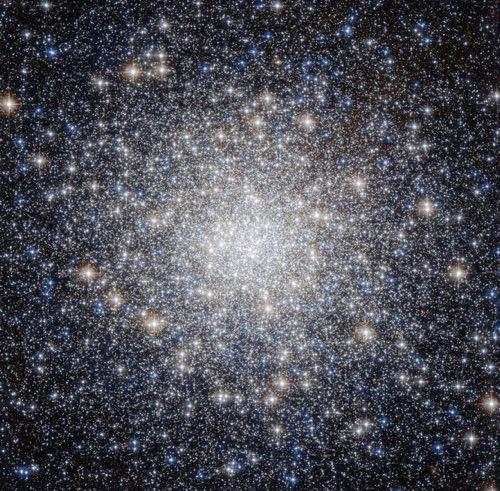
M92
A classic 'showpiece' object for amateur astronomers, often viewed alongside its brighter neighbor M13. It serves as a textbook example of a dense, old...
Constellation: Hercules
Magnitude: 6.5
Best viewing: May - July
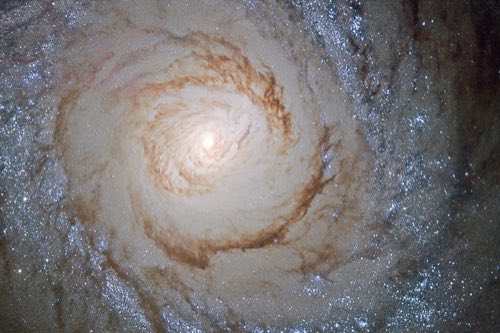
M94
Best observed when well above the horizon, ideally above about 30°, to reduce atmospheric extinction and improve contrast. The primary visual challenge is...
Constellation: Canes Venatici
Magnitude: 8.24
Best viewing: March - May
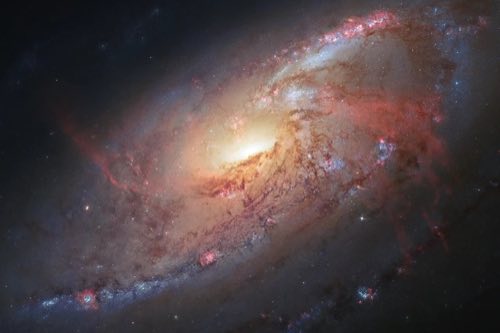
Messier 106
M106Well placed for Northern Hemisphere observers, reaching high altitude from mid-northern latitudes. It remains low and difficult from much of the Southern...
Constellation: Canes Venatici
Magnitude: 8.41
Best viewing: March - May
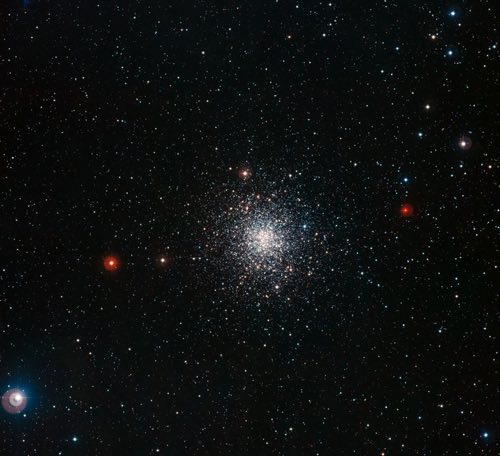
Messier 107
M107Although observed by Charles Messier, NGC 6171 was not included in his published catalog and was later designated Messier 107 in the mid-20th century...
Constellation: Ophiuchus
Magnitude: 7.8
Best viewing: May - July
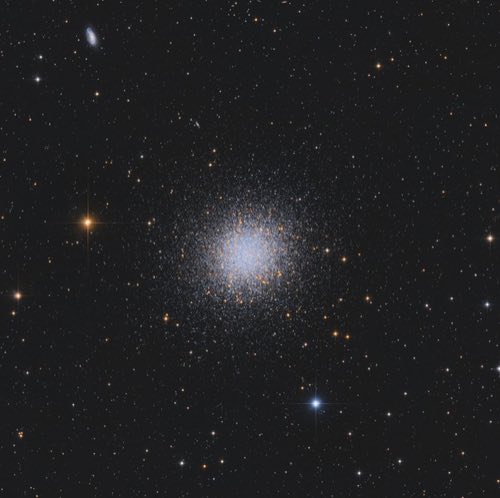
Messier 13
M13A premier showpiece object for amateur astronomers and a frequent subject in popular astronomy. Its selection as the target for the Arecibo message has...
Constellation: Hercules
Magnitude: 5.8
Best viewing: May - July
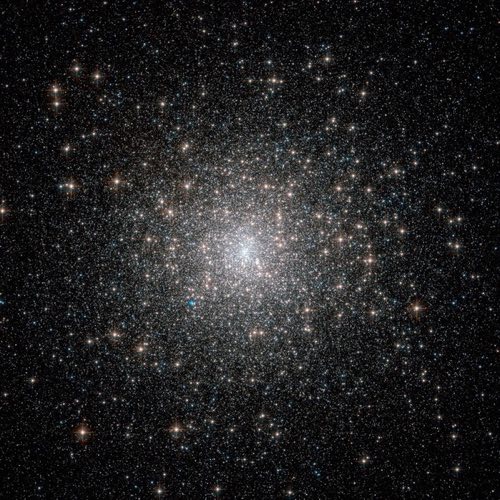
Messier 15
M15A classic showpiece globular cluster for amateur astronomers, M15 is also historically important in professional astronomy for studies of dense stellar...
Constellation: Pegasus
Magnitude: 6.3
Best viewing: July - September
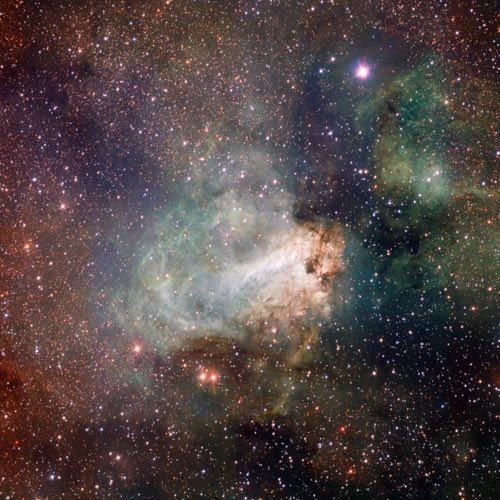
Messier 17
M17NGC 6618 is the young open cluster embedded within the Lagoon Nebula (M8). The surrounding nebula is one of the most famous and frequently photographed...
Constellation: Sagittarius
Magnitude: 6
Best viewing: June - August
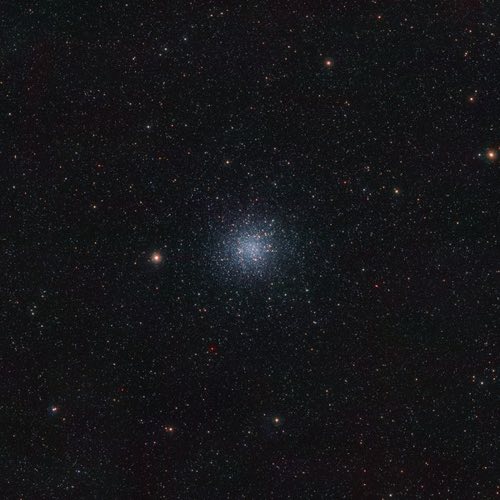
Messier 22
M22One of the brightest and nearest globular clusters, making it a premier showpiece for amateur astronomers. It lies in the direction of the Sagittarius...
Constellation: Sagittarius
Magnitude: 5.2
Best viewing: June - August
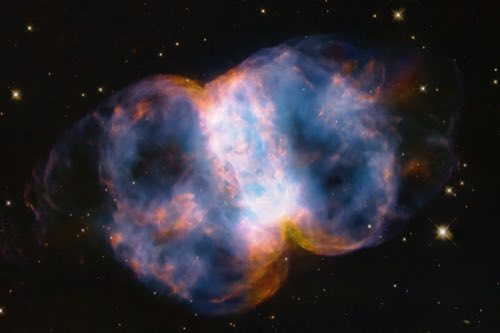
Messier 27
M27An iconic object in amateur astronomy due to its brightness, distinct shape, and historical importance. It represents a key step in understanding the...
Constellation: Vulpecula
Magnitude: 7.4
Best viewing: June - August
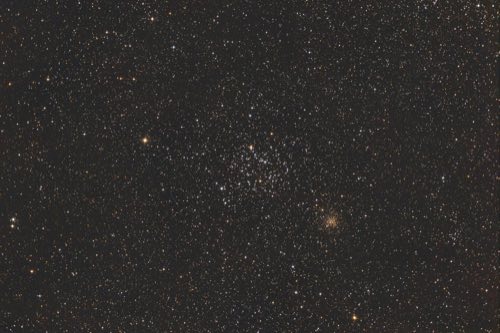
Messier 35
M35A classic winter showpiece object for amateur astronomers and a frequent highlight of star parties. Sometimes called the 'Shoe-Buckle Cluster' due to its...
Constellation: Gemini
Magnitude: 5.1
Best viewing: December - February
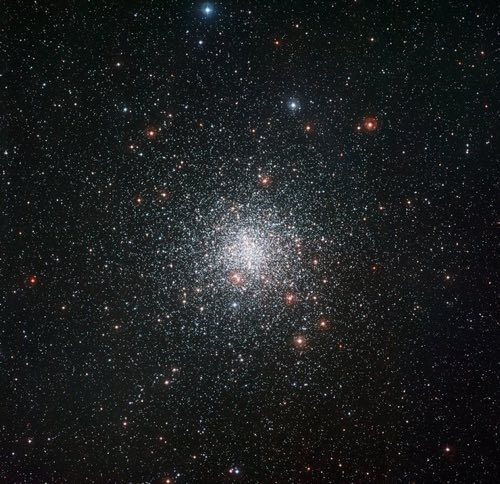
Messier 4
M4A classic and popular object for amateur astronomers due to its brightness, size, and ease of location. It serves as a textbook example of a globular...
Constellation: Scorpius
Magnitude: 5.4
Best viewing: May - July
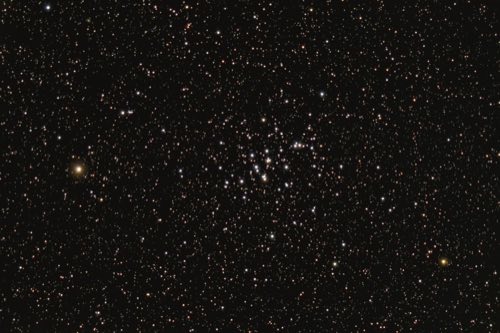
Messier 44
M44In Greek and Roman mythology, the cluster represented the manger from which two donkeys (the stars Asellus Borealis and Australis) fed. Its disappearance...
Constellation: Cancer
Magnitude: 3.1
Best viewing: January - March
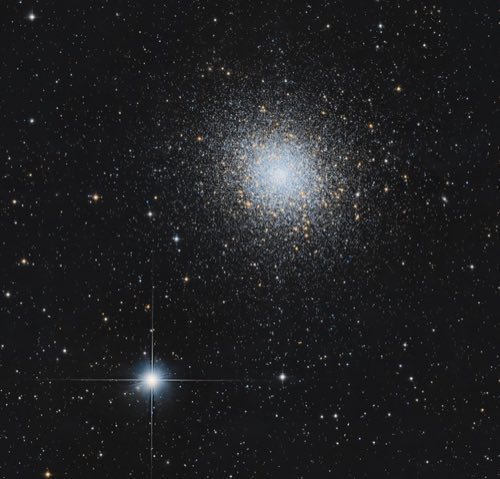
Messier 5
M5Considered one of the finest globular clusters visible from the Northern Hemisphere, serving as a classic example of its type in astronomy textbooks and...
Constellation: Serpens
Magnitude: 5.7
Best viewing: April - June
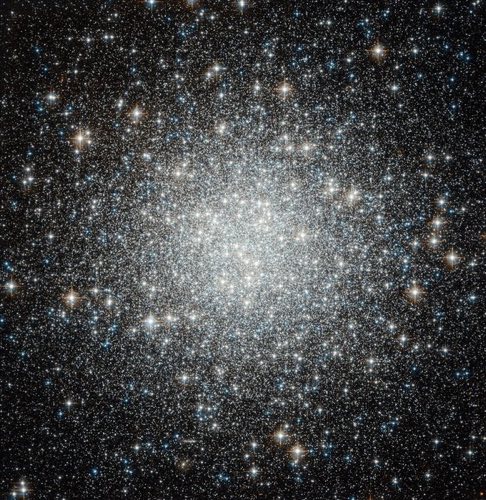
Messier 53
M53Discovered by Johann Elert Bode in 1775 and cataloged by Charles Messier in 1777. Like other globular clusters, its resolution into stars by William...
Constellation: Coma Berenices
Magnitude: 7.7
Best viewing: March - May
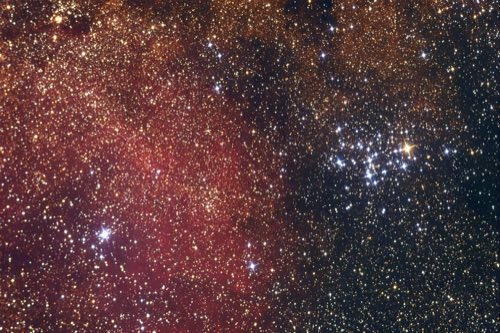
Messier 6
M6Requires a clear southern horizon for most northern hemisphere observers; culminates high in the sky for southern observers. Recognizing the cluster’s...
Constellation: Scorpius
Magnitude: 6.2
Best viewing: December - February
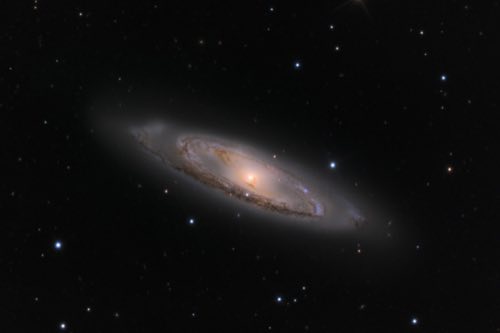
Messier 65
M65A cornerstone object of the Messier Marathon and a perennial favorite for amateur astronomers worldwide due to its membership in the visually stunning Leo...
Constellation: Leo
Magnitude: 9.33
Best viewing: February - April
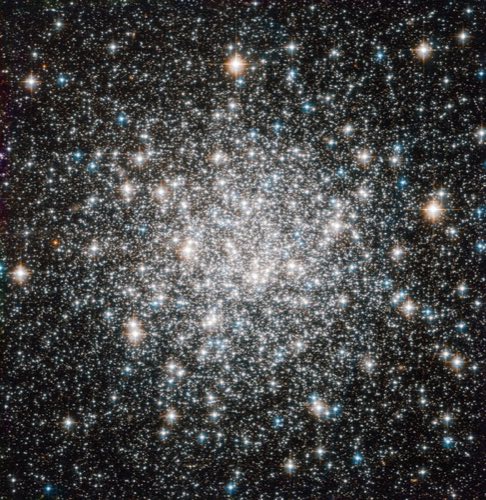
Messier 68
M68No known ancient or mythological significance. M68 is of modern scientific interest as a metal-poor globular cluster and has played a role in studies of...
Constellation: Hydra
Magnitude: 7.3
Best viewing: March - May
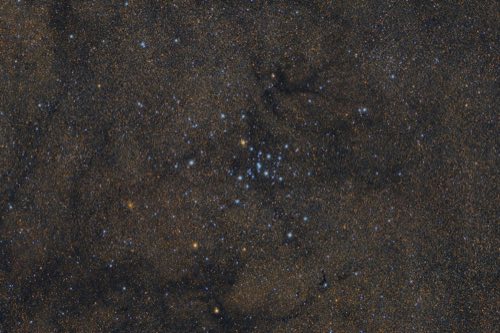
Messier 7
M7Known since classical antiquity, the cluster was described by Claudius Ptolemy in the 2nd century CE and is often called Ptolemy’s Cluster. Its visibility...
Constellation: Scorpius
Magnitude: 3.3
Best viewing: May - July
Mira
Mira's discovery was a pivotal moment in astronomy, helping to shatter the classical ideal of a perfect and unchanging heavens. Its name reflects the...
Constellation: Cetus
Magnitude: 6.53
Best viewing: October - December
Mu Cephei
Its 'Garnet Star' moniker is one of the most famous and evocative stellar nicknames in amateur astronomy, frequently used to introduce newcomers to the...
Constellation: Cepheus
Magnitude: 4.08
Best viewing: July - September
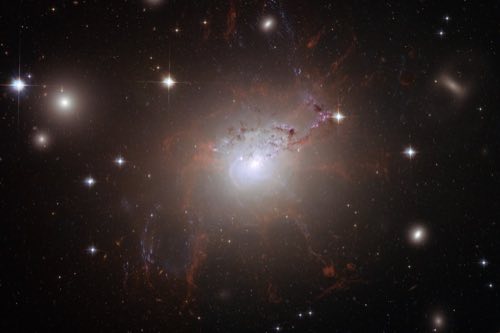
NGC 1275
C24Requires high altitude in the northern sky for best viewing. Remains very low on the northern horizon for most Southern Hemisphere observers....
Constellation: Perseus
Magnitude: 11.88
Best viewing: October - December
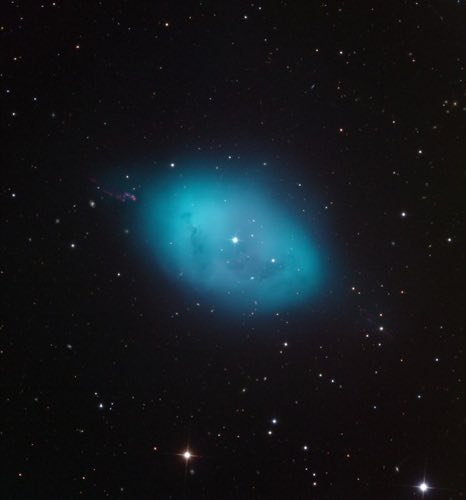
NGC 1360
NGC1360Best viewed from southern latitudes, where it climbs high in the sky. From mid- to high-northern latitudes it remains lower and benefits from a clear...
Constellation: Fornax
Magnitude: 9.4
Best viewing: October - December
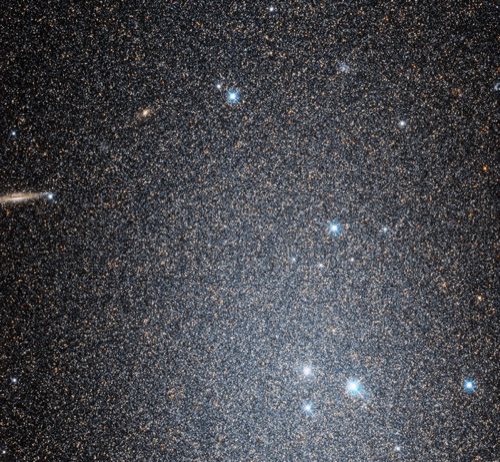
NGC 147
C17Best observed when well above the horizon to reduce atmospheric extinction and maximize contrast, as the galaxy has very low surface brightness. Its...
Constellation: Cassiopeia
Magnitude: 9.52
Best viewing: September - November
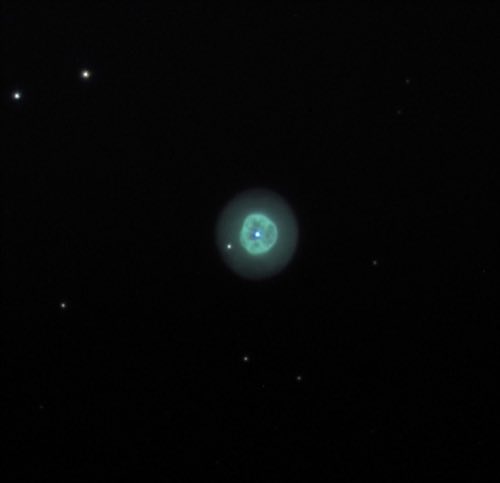
NGC 1535
NGC1535Often referred to in modern observing literature as “Cleopatra’s Eye,” this nickname is a contemporary, informal name inspired by the nebula’s eye-like...
Constellation: Eridanus
Magnitude: 9.6
Best viewing: November - January
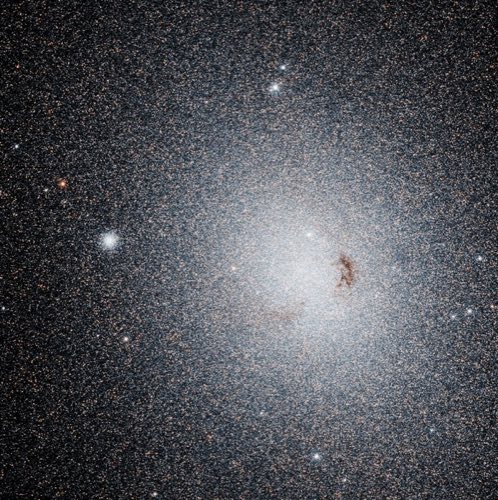
NGC 185
C18Best observed from mid-to-high northern latitudes where it can be circumpolar or reach a high altitude. Very difficult from the Southern Hemisphere. The...
Constellation: Cassiopeia
Magnitude: 9.18
Best viewing: September - November
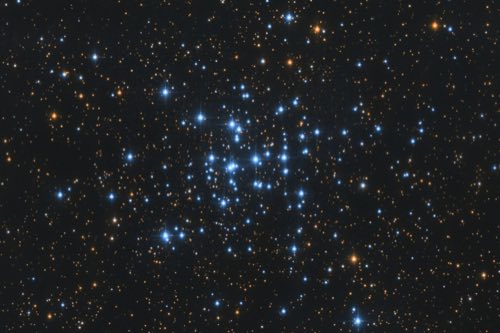
NGC 1960
M36One of the three prominent Messier open clusters in Auriga—along with M37 and M38—M36 forms part of a classic trio that is a cornerstone of winter...
Constellation: Auriga
Magnitude: 6
Best viewing: November - January
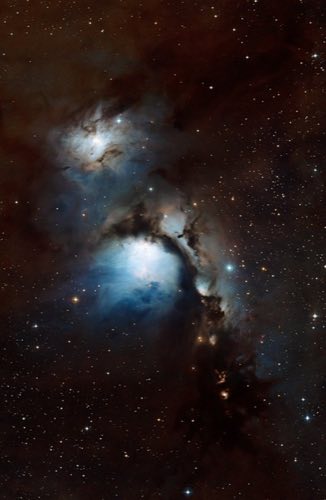
NGC 2068
M78A well-known Messier object and one of the brightest reflection nebulae in the sky, M78 is a classic target for amateur astronomers and a frequent subject...
Constellation: Orion
Magnitude: 8.3
Best viewing: November - January
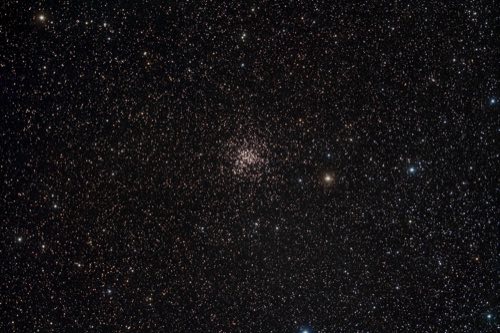
NGC 2099
M37A classic 'showpiece' open cluster and a highlight of the Messier catalog. It is a very popular target for amateur astronomers during the winter months in...
Constellation: Auriga
Magnitude: 5.6
Best viewing: November - January
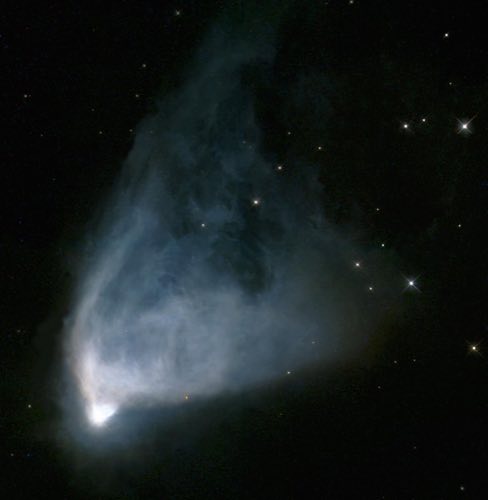
NGC 2261
C46NGC 2261 has historical significance as one of the first recognized variable nebulae and was closely studied by Edwin Hubble, contributing to early...
Constellation: Monoceros
Magnitude: 9
Best viewing: December - February
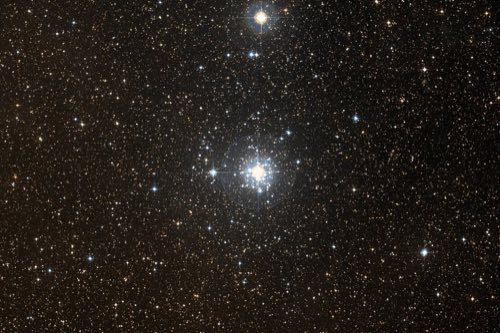
NGC 2362
C64Known among amateur astronomers for its striking appearance and extreme youth, NGC 2362 is dominated visually by the brilliant star τ Canis Majoris. The...
Constellation: Canis Major
Magnitude: 3.8
Best viewing: December - February
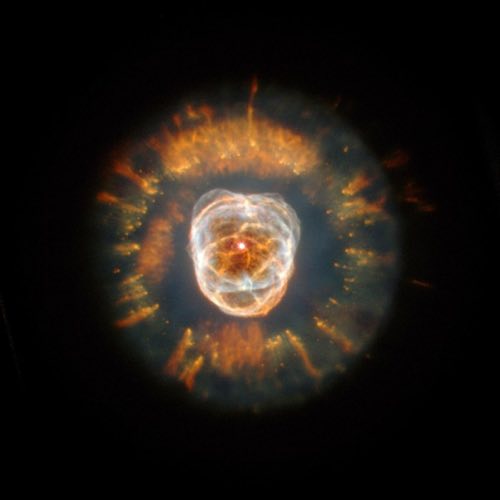
NGC 2392
C39NGC 2392 is widely known by the traditional nickname “Eskimo Nebula” (also sometimes called the “Clownface Nebula”), making it a popular outreach target...
Constellation: Gemini
Magnitude: 9.1
Best viewing: December - February
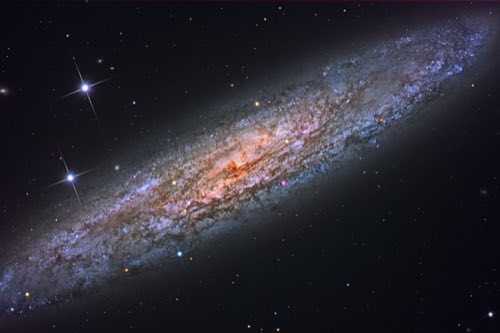
NGC 253
C65One of the brightest and most prominent galaxies in the southern sky, NGC 253 is a well-known showpiece for Southern Hemisphere observers and a familiar...
Constellation: Sculptor
Magnitude: 8
Best viewing: September - November
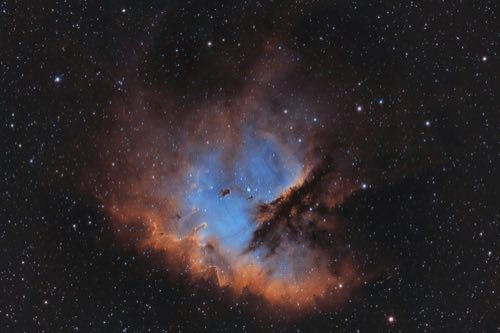
NGC 281
NGC281Widely known by its modern nickname, the “Pacman Nebula,” derived from its resemblance in photographs to the iconic video game character. It is a familiar...
Constellation: Cassiopeia
Magnitude:
Best viewing: September - November
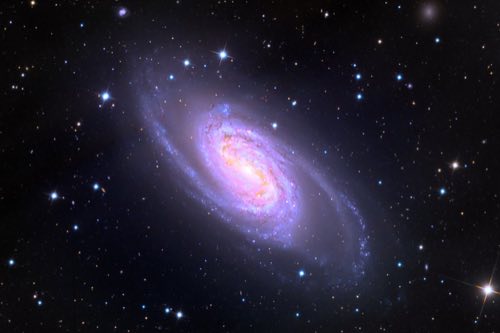
NGC 2903
NGC2903Widely regarded by amateur astronomers as one of the finest deep-sky objects not included in the Messier catalog. Often referred to as 'the other Leo...
Constellation: Leo
Magnitude: 9.01
Best viewing: January - March
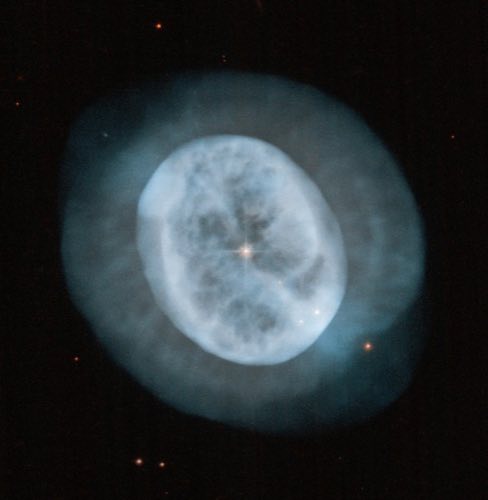
NGC 3242
C59Its common name, 'Ghost of Jupiter', was coined by early observers due to its apparent size, shape, and pale color in small telescopes, which vaguely...
Constellation: Hydra
Magnitude: 7.7
Best viewing: February - April
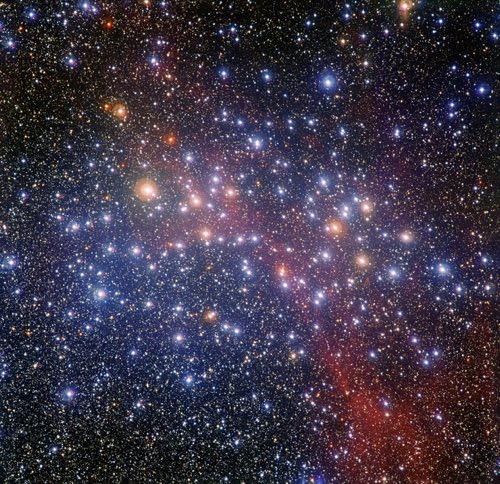
NGC 3532
C91Nicknamed the 'Wishing Well Cluster' as the star field resembles shimmering silver coins at the bottom of a well. The 'Football Cluster' name comes from...
Constellation: Carina
Magnitude: 3
Best viewing: February - April
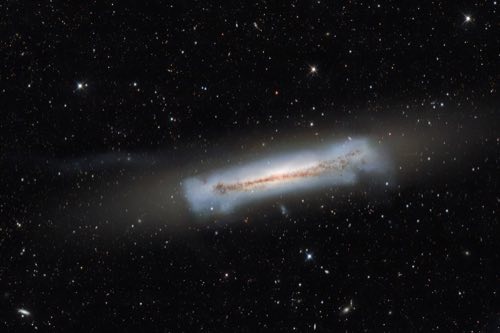
NGC 3628
NGC3628Widely known by its nickname, the 'Hamburger Galaxy,' it is one of the three cornerstone objects of the famous Leo Triplet, a premier showcase of galaxies...
Constellation: Leo
Magnitude: 9.48
Best viewing: February - April
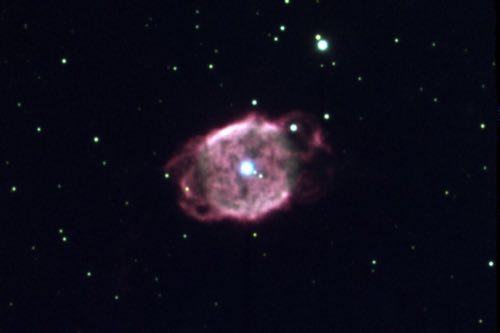
NGC 40
C2High northern declination makes it circumpolar for many northern latitudes, but it remains very low or invisible for most of the Southern Hemisphere. The...
Constellation: Cepheus
Magnitude: 12.3
Best viewing: September - November
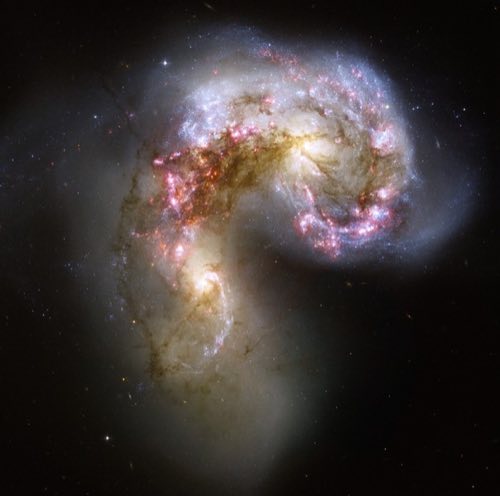
NGC 4038 and NGC 4039
C60The Antennae Galaxies are among the most iconic subjects in astronomical imaging and are widely used in education and outreach as a textbook example of a...
Constellation: Corvus
Magnitude: 10.37
Best viewing: February - April
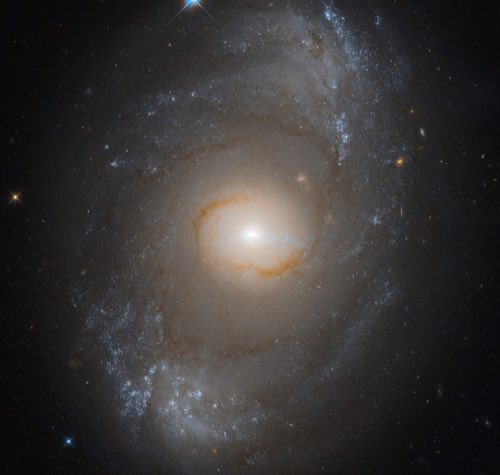
NGC 4151
NGC4151Often described as a ‘textbook’ Seyfert galaxy, NGC 4151 has played a central role in the study of active galactic nuclei and remains one of the most...
Constellation: Canes Venatici
Magnitude: 10.77
Best viewing: March - May
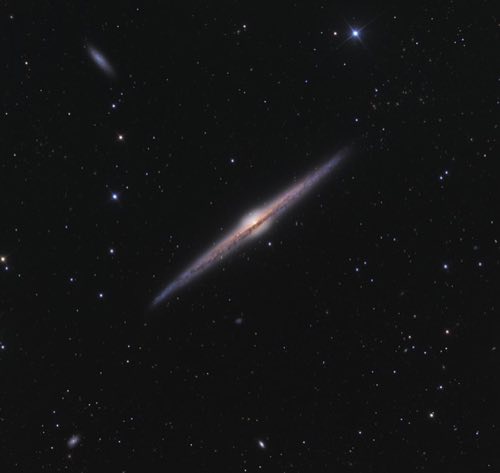
NGC 4565
C38An iconic and celebrated object in amateur astronomy, often cited as one of the finest and most striking examples of an edge-on galaxy in the night sky....
Constellation: Coma Berenices
Magnitude: 9.58
Best viewing: March - May
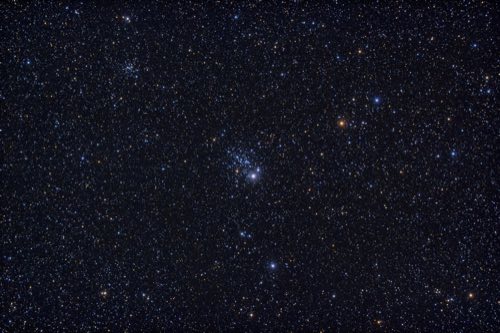
NGC 457
C13ts fame lies almost entirely within the amateur astronomy community, where its distinctive pattern has earned it well-established nicknames such as the...
Constellation: Cassiopeia
Magnitude: 6.4
Best viewing: September - November
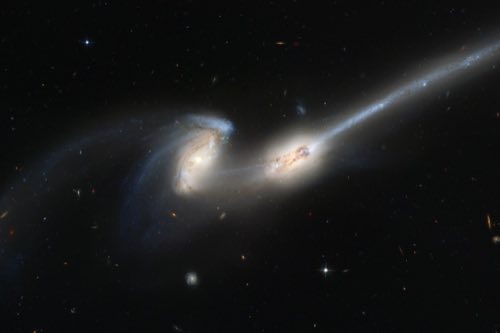
NGC 4676
NGC4676Known as “The Mice” from the prominent tidal tails revealed in deep images, this interacting galaxy pair is a well-known textbook example of galactic...
Constellation: Coma Berenices
Magnitude: 14.1
Best viewing: March - May
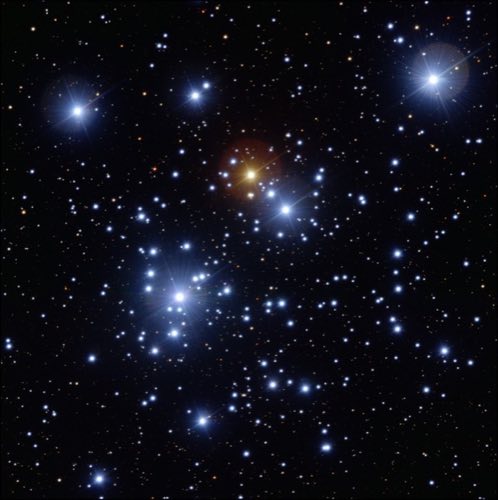
NGC 4755
C94A premier showpiece object of the southern sky. Its name 'Jewel Box' perfectly captures its visual beauty and has made it a favorite target for amateur...
Constellation: Crux
Magnitude: 4.2
Best viewing: March - May
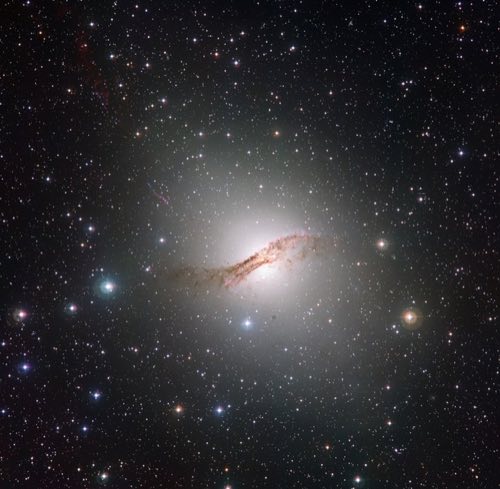
NGC 5128
C77As one of the earliest and strongest extragalactic radio sources identified, Centaurus A played a central role in the rise of extragalactic radio...
Constellation: Centaurus
Magnitude: 6.84
Best viewing: March - May
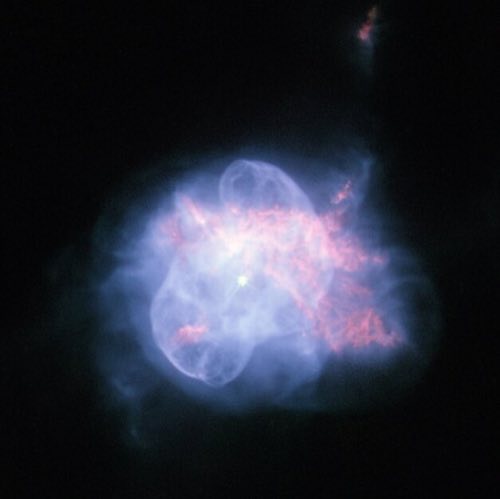
NGC 6210
NGC6210Best observed when high in the sky to reduce atmospheric extinction and improve contrast. Its northern declination favors Northern Hemisphere observers....
Constellation: Hercules
Magnitude: 8.8
Best viewing: May - July
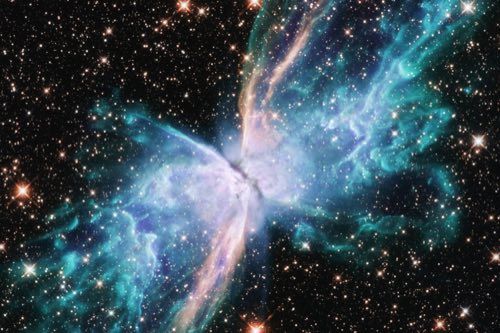
NGC 6302
C69Its dramatic butterfly-like appearance in astrophotography has made it one of the most famous planetary nebulae in outreach and popular media, often used...
Constellation: Scorpius
Magnitude: 9.6
Best viewing: May - July
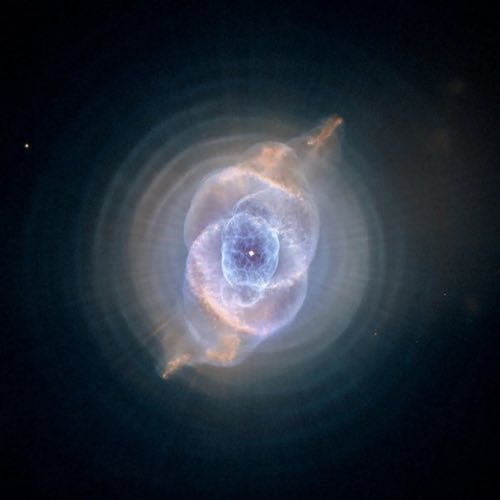
NGC 6543
C6Its striking appearance and the popular name 'Cat's Eye Nebula' have made it one of the most famous and recognizable deep-sky objects, frequently featured...
Constellation: Draco
Magnitude: 8.1
Best viewing: May - July
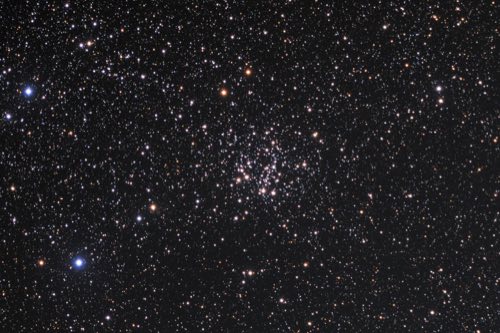
NGC 663
C10Best observed from the Northern Hemisphere. With a declination near +61°, it is circumpolar for observers north of about 30° N and reaches high altitude...
Constellation: Cassiopeia
Magnitude: 7.1
Best viewing: September - November
NGC 6712
NGC6712Best observed when transiting the meridian. Due to its southerly declination, it appears lower in the sky for most Northern Hemisphere observers....
Constellation: Scutum
Magnitude: 8.1
Best viewing: June - August
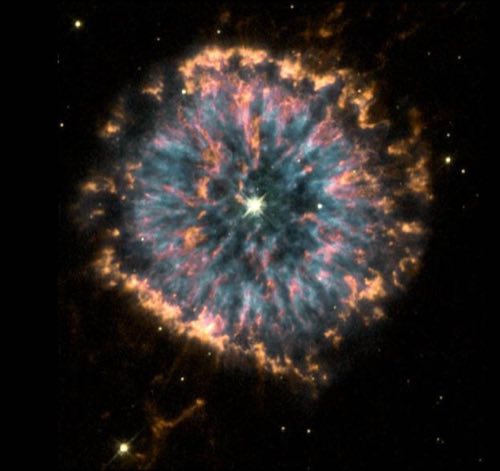
NGC 6751
NGC6751NGC 6751 is best known from space-based imagery, particularly a striking Hubble image often used in outreach to illustrate the late evolutionary stages of...
Constellation: Aquila
Magnitude: 11.9
Best viewing: June - August
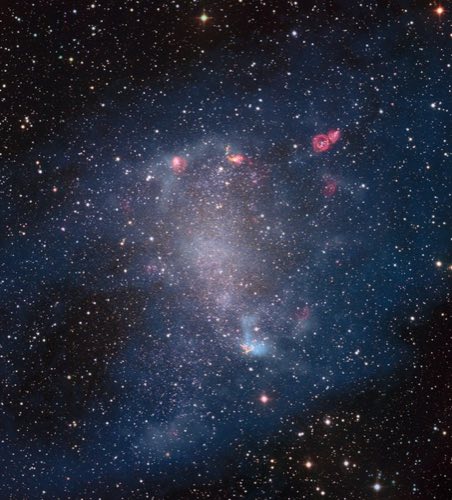
NGC 6822
C57Hubble measured Cepheid variables in NGC 6822 in 1925, demonstrating it lies beyond the Milky Way and helping confirm that spiral nebulae are external...
Constellation: Sagittarius
Magnitude: 10.63
Best viewing: June - August
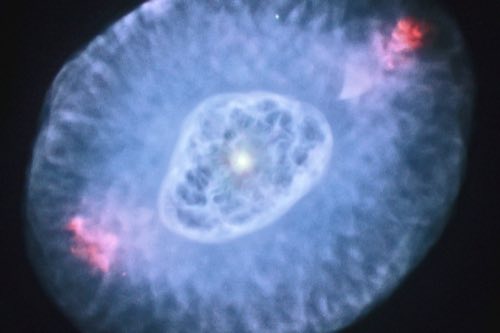
NGC 6826
C15A famous and beloved object in the amateur astronomy community, often used as a showpiece to demonstrate the quirks of human vision and the utility of...
Constellation: Cygnus
Magnitude: 8.8
Best viewing: June - August
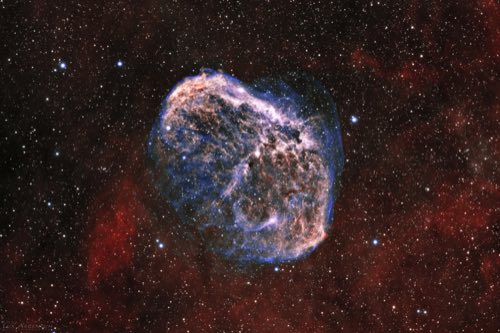
NGC 6888
C27An iconic and highly prized target for amateur astrophotographers, often considered a benchmark for showcasing narrowband imaging and processing skills....
Constellation: Cygnus
Magnitude: 7.4
Best viewing: July - September
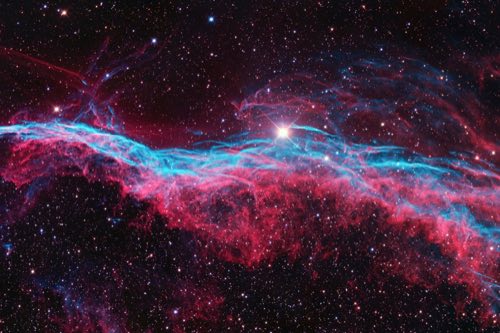
NGC 6960
C34Popularly known as the 'Witch's Broom Nebula' due to its evocative shape. It is a classic and highly sought-after target for amateur astronomers and...
Constellation: Cygnus
Magnitude: 7
Best viewing: July - September
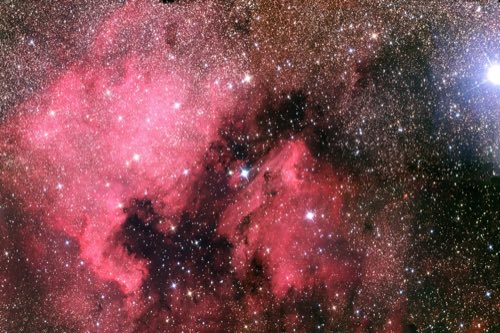
NGC 7000
C20One of the most famous and recognizable deep-sky objects for amateur astronomers and the public due to its unique and familiar shape. Best viewed when...
Constellation: Cygnus
Magnitude: 5
Best viewing: July - September
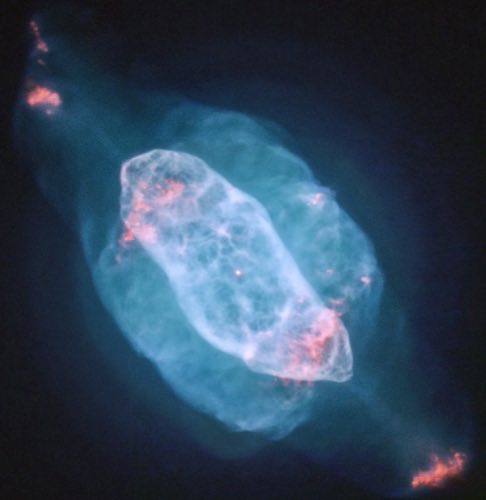
NGC 7009
C55A celebrated 'showpiece' object in the amateur astronomy community, famous for its unique and evocative appearance. Best observed when high in the sky to...
Constellation: Aquarius
Magnitude: 8
Best viewing: July - September
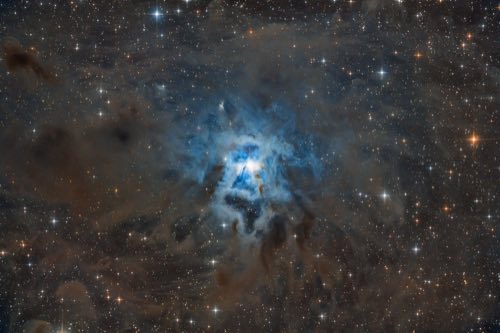
NGC 7023
C4Its well-established name, the “Iris Nebula,” is derived from its flower-like appearance in deep color photographs, making it a familiar object in modern...
Constellation: Cepheus
Magnitude: 6.8
Best viewing: July - September
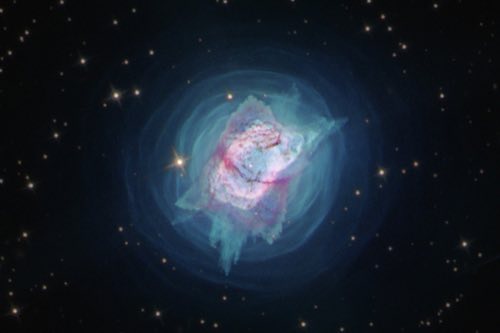
NGC 7027
NGC7027Best viewed from the Northern Hemisphere where it reaches high altitude. Very low and difficult from most of the Southern Hemisphere. Its extremely small...
Constellation: Cygnus
Magnitude: 8.5
Best viewing: July - September
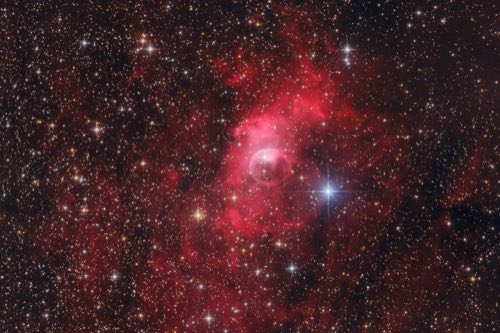
NGC 7635
C11The name “Bubble Nebula” and striking space-based images have made NGC 7635 a well-known object in astronomy media and outreach, primarily through...
Constellation: Cassiopeia
Magnitude: 10
Best viewing: August - October
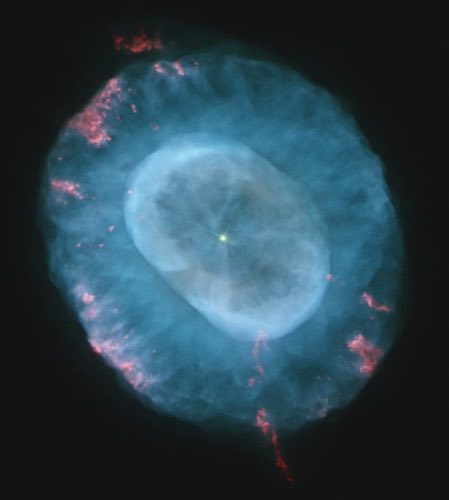
NGC 7662
C22A classic 'showpiece' planetary nebula for amateur astronomers. Its popular name, 'Blue Snowball,' perfectly describes its appearance in a medium-sized...
Constellation: Andromeda
Magnitude: 8.3
Best viewing: August - October
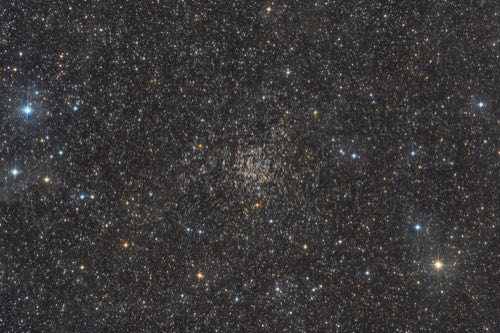
NGC 7789
NGC7789Commonly known as “Caroline’s Rose,” NGC 7789 was discovered by Caroline Herschel in 1783. The nickname, inspired by its appearance, serves as a lasting...
Constellation: Cassiopeia
Magnitude: 6.7
Best viewing: August - October
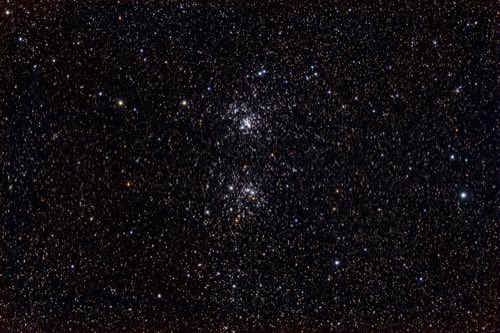
NGC 884
C14As part of the famous Double Cluster, it is one of the most celebrated and beautiful binocular objects in the night sky. Located within the constellation...
Constellation: Perseus
Magnitude: 6.1
Best viewing: October - December
Northern Cross
The Northern Cross is formed from the brightest stars of the constellation Cygnus, which in Greek mythology represents the swan associated with Zeus. As...
Constellation: Cygnus
Magnitude:
Best viewing: July - September
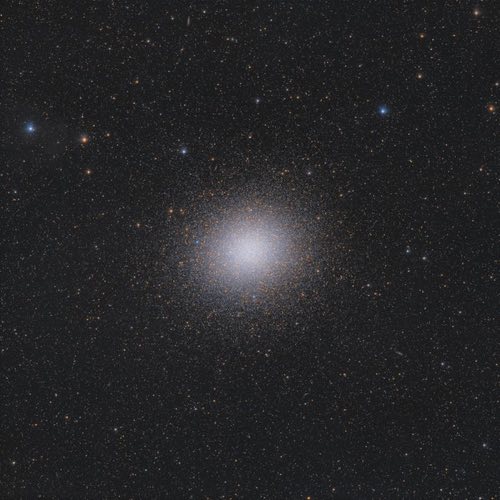
Omega Centauri
C80As a prominent naked-eye object, it was recognized by Indigenous cultures in the Southern Hemisphere, notably in Australian Aboriginal sky traditions....
Constellation: Centaurus
Magnitude: 5.3
Best viewing: March - May
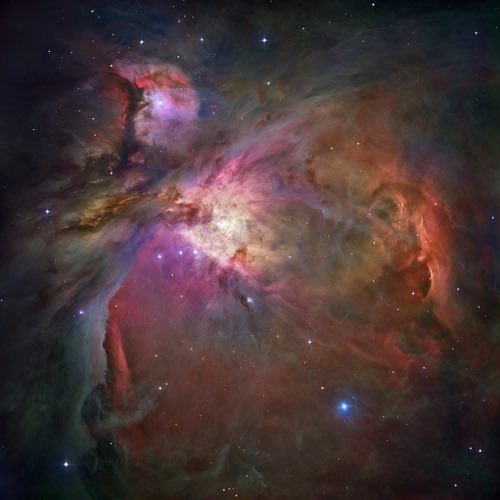
Orion Nebula
M42A cornerstone of both amateur and professional astronomy and one of the most recognized and iconic objects in the night sky. Its brilliance and proximity...
Constellation: Orion
Magnitude: 4
Best viewing: November - January
Orion's Belt
One of the most widely recognized stellar patterns in the sky, Orion’s Belt has held significance across many cultures. In Greco-Roman mythology it forms...
Constellation: Orion
Magnitude:
Best viewing: November - January
Orion's Sword
In Greco-Roman tradition, the stars south of Orion’s Belt form the hunter’s sword or scabbard. As part of the larger Orion figure, the region has been...
Constellation: Orion
Magnitude:
Best viewing: November - January
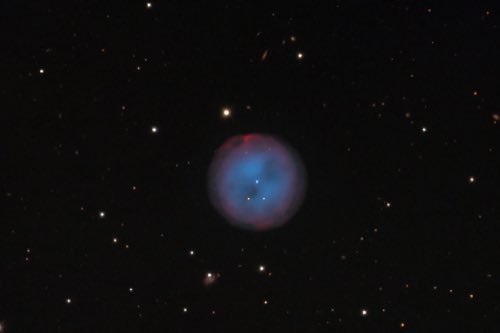
Owl Nebula
M97A classic and popular deep-sky object for amateur astronomers, known for its evocative name and the observing challenge it presents. Best observed from...
Constellation: Ursa Major
Magnitude: 9.9
Best viewing: February - April
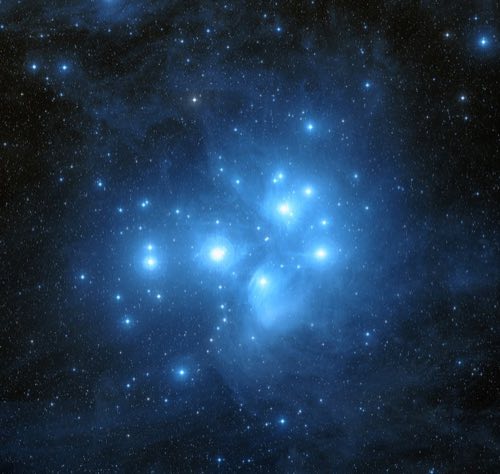
Pleiades
M45ne of the most culturally significant star clusters in the sky. Known as Subaru in Japan—an association reflected in the automobile manufacturer’s...
Constellation: Taurus
Magnitude: 1.6
Best viewing: October - December
Polaris
A long-standing symbol of guidance and constancy across many cultures, Polaris appears in historical literature, including references by Shakespeare....
Constellation: Ursa Minor
Magnitude: 2.02
Best viewing: October - December
Porrima
Named for a Roman goddess of prophecy. In Chinese astronomy, it is part of the 'Left Wall of the Supreme Palace Enclosure' asterism. Accessible from most...
Constellation: Virgo
Magnitude: 2.74
Best viewing: March - May
R Andromedae
Holds a high degree of significance within the amateur astronomy and variable star observer communities as a classic, rewarding, and scientifically...
Constellation: Andromeda
Magnitude: 7.39
Best viewing: September - November
R Aquarii
Best observed when high in the sky near transit. As a southern-declination object, it culminates higher for southern hemisphere observers. The primary...
Constellation: Aquarius
Magnitude: 7.683
Best viewing: August - October
R Fornacis
Requires a clear southern horizon for most Northern Hemisphere observers. High in the sky for Southern Hemisphere observers. The circumstellar dust shell...
Constellation: Fornax
Magnitude: 7.5
Best viewing: October - December
R Leporis
Known as 'Hind's Crimson Star', it is a celebrated object in amateur astronomy culture, renowned for its beauty and its role as an accessible variable...
Constellation: Lepus
Magnitude: 7.76
Best viewing: November - January
R Scuti
Holds a significant place in the history of stellar astronomy, particularly in the study of variable stars. It serves as a benchmark for understanding a...
Constellation: Scutum
Magnitude: 5.2
Best viewing: June - August
Ras Algethi
Represents the head of the kneeling hero Hercules in Greek and Roman mythology. The name and position have been recognized for millennia across various...
Constellation: Hercules
Magnitude: 3.35
Best viewing: May - July
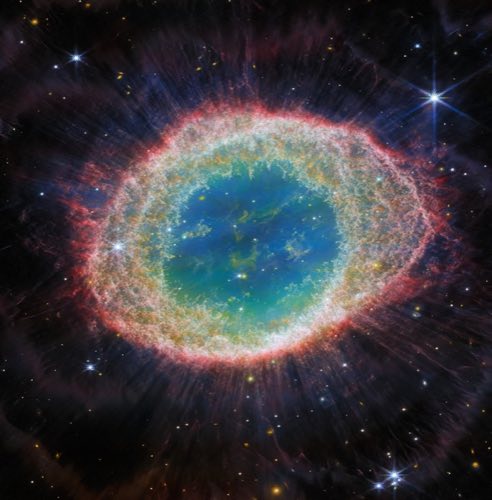
Ring Nebula
M57One of the most famous and iconic deep-sky objects for amateur astronomers. It serves as a textbook example of a planetary nebula and is a frequent target...
Constellation: Lyra
Magnitude: 8.8
Best viewing: June - August
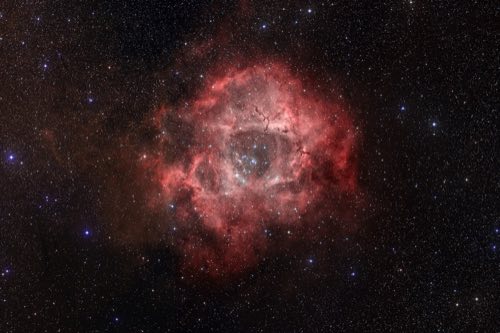
Rosette Nebula
NGC2237As part of the Rosette Nebula complex, NGC 2237 contributes to the iconic, flower-like appearance seen in astrophotography, making the region a popular...
Constellation: Monoceros
Magnitude: 9
Best viewing: December - February
RS Cygni
Well known among amateur astronomers for its intense red coloration, RS Cygni is a popular target on observing lists devoted to carbon and other vividly...
Constellation: Cygnus
Magnitude: 6.5
Best viewing: July - September
RT Capricorni
Best viewed from southern and equatorial latitudes. Can be low in the southern sky for observers in mid-northern latitudes. Tracking its light curve...
Constellation: Capricornus
Magnitude: 8.9
Best viewing: July - September
RY Draconis
Circumpolar for mid-to-high northern latitudes. Requires a clear northern horizon for lower northern latitudes. Accurately estimating its magnitude...
Constellation: Draco
Magnitude: 6.34
Best viewing: March - May
S Cephei
No known ancient cultural significance. It is highly regarded within the amateur astronomy community as a prime example of a long-period variable star and...
Constellation: Cepheus
Magnitude: 7.4
Best viewing: July - September
Sagittarius Teapot
In modern amateur astronomy, the Teapot is the de facto way of identifying the constellation Sagittarius. It serves as an essential and easily...
Constellation: Sagittarius
Magnitude:
Best viewing: June - August
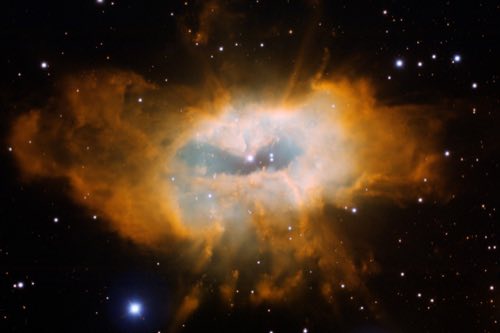
Sh2-71
SH2-71No known cultural, historical, or mythological significance. Sh 2-71 is a specialist target known primarily within professional and advanced amateur...
Constellation: Aquila
Magnitude:
Best viewing: June - August
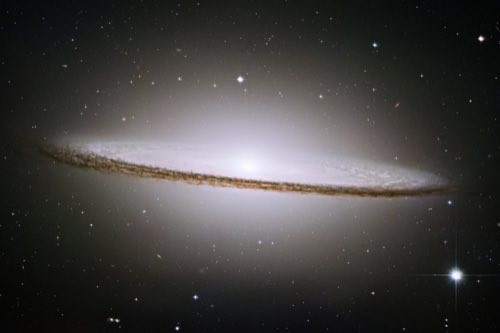
Sombrero Galaxy
M104Its distinctive edge-on form has made NGC 4594 one of the most famous galaxies in popular astronomy, widely recognized through images and frequently...
Constellation: Virgo
Magnitude: 8
Best viewing: March - May
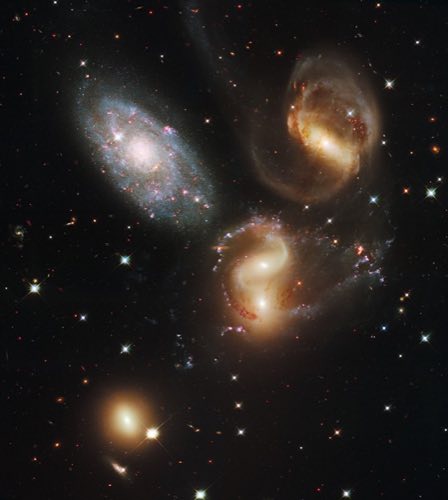
Stephan's Quintet
NGC7317NGC 7317 is a member of Stephan’s Quintet, a compact interacting galaxy group that has become iconic in modern astronomy. The system gained renewed public...
Constellation: Pegasus
Magnitude: 13.6
Best viewing: August - October
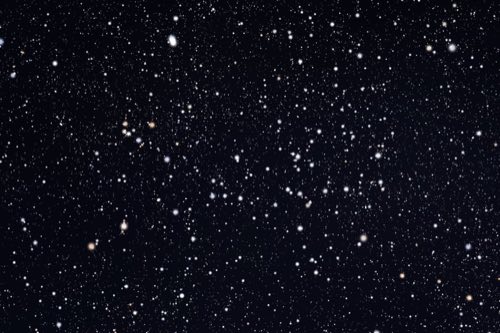
Stock 2
St2A celebrated object within the amateur astronomy community due to its whimsical and easily recognizable 'Muscleman' shape, making it a favorite binocular...
Constellation: Cassiopeia
Magnitude: 4.4
Best viewing: October - December
Summer Triangle
Two of the Summer Triangle’s stars, Vega and Altair, play central roles in Chinese folklore as the Weaver Girl and the Cowherd, lovers separated by the...
Constellation: Multiple
Magnitude:
Best viewing: June - August
T Camelopardalis
No known ancient cultural or mythological significance. T Camelopardalis is of interest primarily to amateur and professional observers studying...
Constellation: Camelopardalis
Magnitude: 7.3
Best viewing: October - December
T Coronae Borealis
Known as “The Blaze Star,” T Coronae Borealis is one of the best-known recurrent novae. Its rare historical eruptions briefly brightened it to naked-eye...
Constellation: Corona Borealis
Magnitude: 10.247
Best viewing: April - June
T Lyrae
None in mainstream culture. Its significance is primarily within the amateur and professional astronomical communities as a prime, easily observable...
Constellation: Lyra
Magnitude: 7.84
Best viewing: June - August
Theta Serpentis
tet1SerThe proper name Alya is thought to derive from an Arabic term associated with a sheep’s tail, reflecting traditional Arabic star nomenclature for this...
Constellation: Serpens
Magnitude: 4.57
Best viewing: June - August
Triangulum Galaxy
M33Edwin Hubble’s discovery of Cepheid variable stars in the Triangulum Galaxy in the mid-1920s helped confirm and extend the realization that spiral nebulae...
Constellation: Triangulum
Magnitude: 5.72
Best viewing: September - November
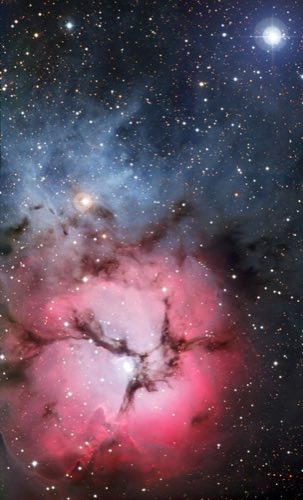
Trifid Nebula
M20A classic and widely recognized 'showpiece' object for amateur astronomers and astrophotographers, often featured in books and documentaries as a prime...
Constellation: Sagittarius
Magnitude: 6.3
Best viewing: May - July
TX Piscium
A celebrated object in modern amateur astronomy due to its spectacular color, often serving as a 'showpiece' object to demonstrate that stars come in...
Constellation: Pisces
Magnitude: 5.02
Best viewing: August - October
U Camelopardalis
No known ancient or mythological significance. It is highly regarded within modern amateur and professional astronomy as a premier example of a carbon...
Constellation: Camelopardalis
Magnitude: 11
Best viewing: October - December
U Hydrae
No known ancient cultural or mythological significance. U Hydrae is a prominent bright carbon star that has attracted sustained interest from both amateur...
Constellation: Hydra
Magnitude: 4.82
Best viewing: February - April
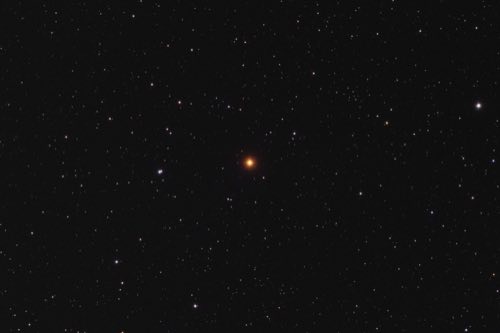
UU Aurigae
Best observed when high in the sky to reduce atmospheric extinction and dispersion, which helps preserve the star’s apparent color. Following its...
Constellation: Auriga
Magnitude: 5.25
Best viewing: December - February
UV Aurigae
No known ancient cultural or mythological significance. UV Aurigae is well known among variable-star observers as an unusual carbon-rich system with...
Constellation: Auriga
Magnitude: 10.41
Best viewing: November - January
V Aquilae
Best observed when high in the sky to minimize atmospheric distortion and fully appreciate its deep color. Its deep red color is best appreciated at low...
Constellation: Aquila
Magnitude: 6.9
Best viewing: June - August
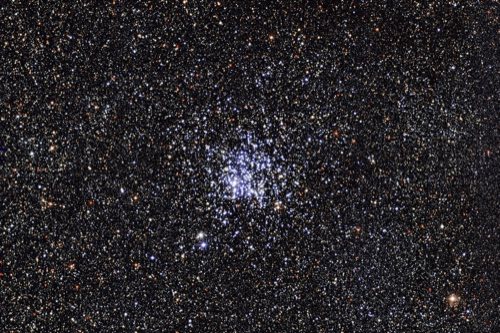
Wild Duck Cluster
M11The popular and evocative name 'Wild Duck Cluster' makes it a favorite and memorable target for amateur astronomers, especially for summertime observing....
Constellation: Scutum
Magnitude: 5.8
Best viewing: June - August
Winter Hexagon
A modern seasonal asterism that marks the winter sky of the Northern Hemisphere. While the Winter Circle itself has no independent mythological...
Constellation: Multiple
Magnitude:
Best viewing: December - February
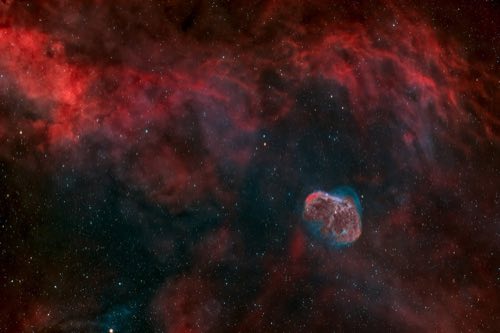
WR 136
Best viewed from the Northern Hemisphere where it reaches high altitude. Less favorable for far southern latitudes. The surrounding Crescent Nebula (NGC...
Constellation: Cygnus
Magnitude: 7.5
Best viewing: July - September
WZ Cassiopeiae
Highly regarded in the amateur astronomy community as a classic example of a carbon star and one of the reddest, most visually striking stars in the sky....
Constellation: Cassiopeia
Magnitude: 7.13
Best viewing: August - October
Y Canum Venaticorum
The name 'La Superba' (The Superb One) reflects the profound impression its intense color made on early observers. It remains a celebrated 'showpiece'...
Constellation: Canes Venatici
Magnitude: 4.87
Best viewing: March - May
No objects match the selected filters.